
How To
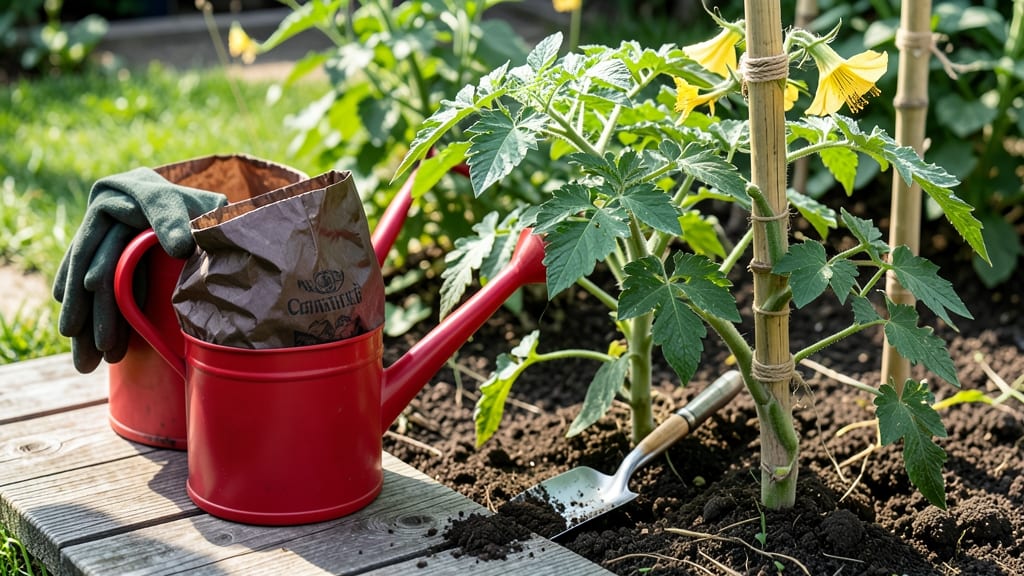
Feeding tomato plants at the right intervals is the key to a bountiful harvest—not too much, not too little, but just enough to fuel their growth without burning their roots.
Struggling to get the most out of your 🍅 plants? The right feeding schedule can mean the difference between a modest harvest and a bounty of juicy, flavorful tomatoes—all while avoiding common mistakes that stunt growth.
Most gardeners overdo it, thinking more fertilizer equals bigger tomatoes, but that’s a recipe for leafy vines and few fruits. The trick is timing: young plants need gentle nourishment, while flowering and fruiting stages demand a balanced boost.
Below, I break down exactly how often to feed your tomatoes—from seedlings to harvest—plus when to switch to organic options and what to watch for when things go wrong.

Tomato plant feeding schedule by growth stage: what to feed and when
Tomatoes are heavy feeders, and their nutrient needs change dramatically from seedling to harvest. A one-size-fits-all approach won’t work—overfeeding early can burn delicate roots, while skipping nutrients later stunts fruit production. I’ve grown tomatoes for 15 years and learned the hard way that timing is everything.
The key is matching fertilizer type and frequency to each growth stage, adjusting for organic vs. synthetic options.
Most gardeners focus only on NPK ratios (nitrogen, phosphorus, potassium), but the real secret lies in when to feed. For example, seedlings need low nitrogen to avoid leggy growth, while flowering plants crave phosphorus for blooms.
I’ll break down exactly what to feed—and when—to maximize your tomato yield without wasting resources or harming your plants.
For seedlings, I recommend starting with a diluted fish emulsion (1-2-2 ratio) every 2-3 weeks. This provides gentle, balanced nutrition without overwhelming young roots. Many gardeners make the mistake of using high-nitrogen fertilizers early, which leads to leggy, weak plants prone to disease.
Instead, focus on root development with micronutrients like iron and zinc.
When your tomatoes enter the vegetative stage (4-6 weeks), switch to a 10-10-10 fertilizer or organic options like worm castings. This is when plants need more nitrogen to build foliage, but don’t go overboard—too much nitrogen delays flowering.
I’ve seen firsthand how over-fertilizing at this stage can result in burnt leaf tips and stunted growth. Always water thoroughly after feeding to prevent root burn.
During the flowering stage, phosphorus becomes critical for bloom production. Use a 5-10-10 fertilizer or organic alternatives like bone meal. This is also when I add calcium (via crushed eggshells or lime) to prevent blossom end rot.
Many gardeners skip this step and end up with dropping flowers despite healthy-looking plants. Timing matters too—feed in the early morning to avoid evening moisture that promotes fungal diseases.
The fruiting stage is where most gardeners struggle. Here, potassium takes center stage to sweeten fruit and improve disease resistance. I switch to a 0-0-50 fertilizer or add
Common feeding mistakes that kill tomato yields (and how to fix them)
Even with the best intentions, overfeeding or underfeeding your tomato plants can lead to disappointing yields. I’ve seen burnt leaves from too much fertilizer, blossom end rot from calcium deficiencies, and stunted growth from inconsistent feeding—all fixable with the right adjustments.
The key is understanding what your plants truly need at each growth stage.
One of the biggest mistakes gardeners make is feeding too early. Young seedlings don’t need heavy nutrients—they’ll burn if you apply fertilizer right after transplanting. Wait until your plants have 4-6 true leaves and are 2-3 weeks old before introducing any fertilizer. This prevents shock and encourages strong root development.
⚠️ Warning: Overfeeding Tomatoes
How often to feed tomato plants? Most gardeners overdo it—feeding every 1-2 weeks instead of every 2-3 weeks during peak growth. This leads to leafy growth over fruit and nutrient burn. Stick to a balanced 10-10-10 fertilizer (or organic alternatives like compost tea) and reduce frequency as plants mature.
Fix: Test soil pH (aim for 6.0-6.8). If leaves yellow between veins, you’re overfeeding nitrogen. Switch to a low-nitrogen, high-phosphorus fertilizer (like 5-10-10) to boost flowering.
Another red flag is blossom end rot, which appears as dark, sunken spots on the bottom of tomatoes. This isn’t a feeding issue per se, but it’s often triggered by calcium deficiencies caused by uneven watering or inconsistent nutrient uptake.
To prevent it, maintain consistent moisture and add crushed eggshells or calcium nitrate to your soil every 4-6 weeks.
If your tomato plants look yellow and leggy with few flowers, they’re likely getting too much nitrogen. This nutrient promotes leaf growth at the expense of fruit production.
Switch to a phosphorus-rich fertilizer (like bone meal) to encourage blooming. I’ve seen gardeners double their yields just by adjusting their fertilizer ratio from 10-10-10 to 5-10-10.
Don’t forget about organic remedies for deficiencies. For example, banana peels (rich in potassium) buried near roots can help with fruit development, while wood ash (calcium) prevents blossom end rot. These natural fixes are gentle on plants and improve soil health long-term.
Finally, always feed in the early morning to avoid fungal issues from evening moisture. And remember: stop fertilizing 4-6 weeks before harvest to let plants focus on ripening fruit rather than new growth. With these fixes, you’ll go from struggling yields to a bountiful tomato harvest in no time!