
How To
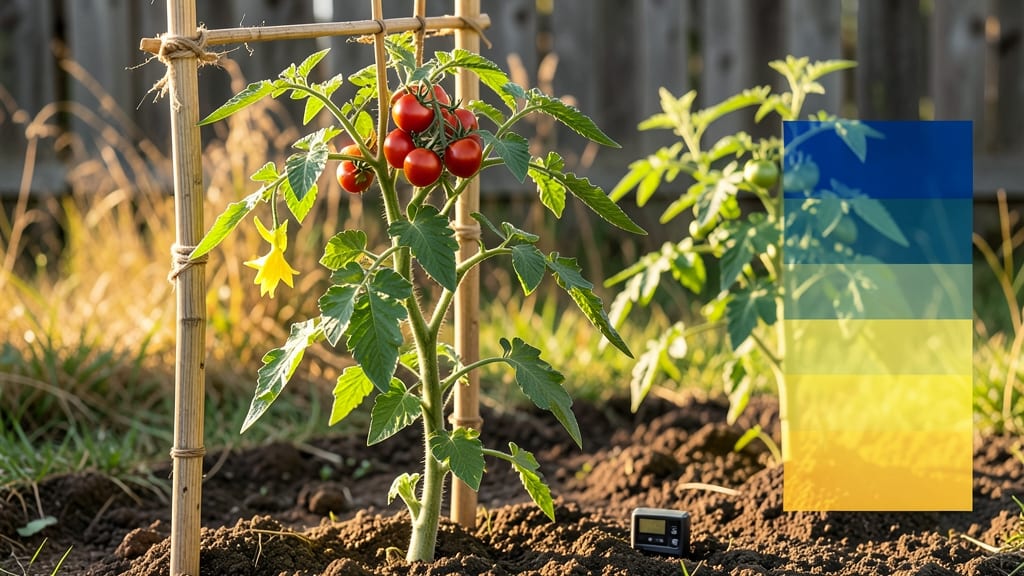
Tomato plants need 6 to 8 hours of full sunlight daily to thrive and produce flavorful fruit 🍅—skimp on the light, and you’ll end up with bitter, undersized tomatoes or no harvest at all.
Picture this: You’ve spent weeks nurturing your seedlings, dreaming of juicy red slices, only to watch them stretch toward the sky like they’re reaching for a high-five. That’s your plant begging for more light—and missing out on its peak production window.
But here’s the catch: Too much scorching sun can fry leaves, while too little leaves them weak and leggy. The sweet spot? A balance of direct morning light and gentle afternoon shade, especially in hot climates like USDA Zone 6a.
In this guide, I’ll break down exactly how much sun your tomatoes crave, how to spot light-related problems, and pro tips to maximize yield—even if your garden isn’t basking in full sun all day.

Optimal sunlight requirements for tomato plants by variety (hours & intensity guide)
Tomatoes thrive under full sun, but not all varieties have identical needs.
Determinate tomatoes (like Roma or Celebrity) grow in compact bushes and tolerate 6-8 hours of direct sunlight daily, while indeterminate types (such as Beefsteak or Cherry varieties) demand 8-10+ hours to produce their signature sprawling vines and heavy fruit loads. The difference?
Indeterminate tomatoes keep growing and fruiting all season, requiring more energy from sunlight.
Light intensity matters just as much as duration. Morning sun (6 AM–12 PM) is ideal because it warms the soil and encourages root development, while afternoon sun (especially in hot climates) can scorch leaves.
In regions with intense midday sun, providing light shade during peak hours (11 AM–3 PM) can prevent sunburn without sacrificing fruit production.
Seedlings need gentler light—start them indoors under grow lights (12–16 hours/day) to prevent leggy growth. Once transplanted outdoors, they’ll crave more intense sunlight to harden off. During the flowering stage, tomatoes require consistent light (8+ hours) to prevent blossom drop (flowers falling off without fruiting).
If your plants flower but don’t set fruit, they’re likely getting too little light or inconsistent watering.
In hot climates (Zones 9–11), afternoon shade cloth (30–50% shade) can protect leaves while still allowing enough light for fruit development. Conversely, in cool climates (Zones 3–6), extend the growing season with reflective mulch (like white plastic) to bounce extra sunlight onto the plants.
Even 6 hours of direct sun can work for determinate varieties, but expect smaller yields and slower maturation.
Light intensity also affects fruit quality. Tomatoes grown in bright, direct sunlight develop deeper flavors and richer colors, while those in low light often turn pale, watery, and bland. For example, Sungold cherry tomatoes need full sun to achieve their signature sweetness—partial shade will result in tart, underripe fruit.
If you’re growing tomatoes in containers, place them in the sunniest spot and rotate pots weekly to ensure even light exposure.
Watch for sunburn signs like white or yellow patches on leaves—this happens when light intensity is too high, especially in afternoon sun. To fix it, provide light shade during peak hours or use shade cloth.
On the flip side, etiolated (leggy) seedlings with pale stems indicate insufficient light. Move them to a sunnier spot immediately or supplement with LED grow lights for 14–16 hours daily.
For container-grown tomatoes, prioritize south-facing windowsills or balconies. If natural light is limited, use a full-spectrum grow light 6–12 inches above the plants for 12–14 hours/day. Even 6 hours of direct sun can sustain dwarf varieties, but indeterminate types will stop fruiting if they don’t get enough light.
Always monitor your plants’ response—if they’re reaching for the sky, they need more light!
Pro tip: Use a light meter (or the shadow test) to measure sunlight. Hold a ruler vertically at noon—if
Signs your tomato plants aren’t getting enough (or too much) sunlight
Tomatoes thrive in full sun, but too little or too much sunlight throws their growth off balance. If your plants look leggy with pale green leaves, they’re starving for light.
On the flip side, yellowing leaves or white patches signal sunburn from overexposure. Both extremes lead to poor fruit production, so let’s decode these warning signs and fix them fast.
First, check your garden’s actual sunlight hours. Most tomato varieties need 6–8 hours of direct sun daily, but indeterminate types (like 'Sungold') crave even more—up to 10 hours for peak yields.
If your plants are in partial shade, they’ll stretch toward the light, weakening stems and reducing fruit quality. Even morning sun alone isn’t enough; afternoon light is critical for ripening.
⚠️ Sunlight Sweet Spot for Tomatoes
Tomatoes need 6–8+ hours of full sun daily. Here’s how to tell if yours are in the right zone:
- ✅ Ideal: Leaves are dark green, stems are sturdy, and fruit ripens evenly.
- ⚠️ Too Little: Leggy stems, small leaves, and few flowers (or none!).
- ❌ Too Much: White/yellow leaf patches, crispy edges, or blossom drop.
Pro Tip: Use a sunlight tracker (or app) for 24 hours to measure actual light exposure.
When tomatoes lack sunlight, they prioritize leaf growth over fruit production. Look for thin, sparse leaves and long, weak stems—a classic sign of etiolation. These plants often produce small, misshapen fruit or none at all.
Even if they flower, the buds may drop before setting fruit. To fix this, move plants to a sunnier spot or add a reflective surface (like white mulch) to bounce extra light onto leaves.
Overexposure is just as damaging. Sunburned leaves appear as white or yellow patches, often on the upper leaves. Severe cases cause crispy, dead spots that look like they’ve been scorched.
If this happens, provide afternoon shade with a lightweight shade cloth (30–50% block) or transplant to a spot with morning sun only. Mulch heavily to protect roots from heat stress, too.
Watch for blossom end rot, a common issue linked to uneven sunlight. While it’s often caused by calcium deficiency, inconsistent light stress can trigger it. If you see black, sunken spots on fruit, pair shade adjustments with calcium-rich fertilizer (like crushed eggshells) and consistent watering.
Prune lower leaves to improve airflow and reduce stress on the plant.
For container-grown tomatoes, sunlight needs are even stricter. Rotate pots weekly to ensure even light exposure, and place them on a rolling cart to follow the sun’s path.
If your balcony or patio gets less than 6 hours of sun, opt for compact varieties like 'Tiny Tim' or 'Patio Princess' and supplement with grow lights (12–14 hours/day) for flowering and fruiting stages.