
Light Requirements
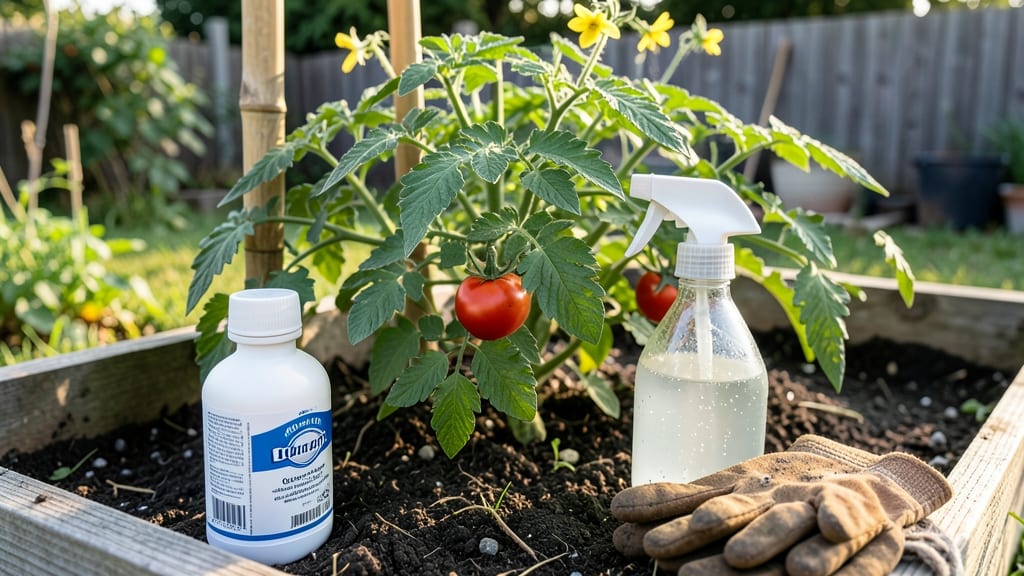
My tomato plants nearly died from powdery mildew last summer—until I discovered baking soda saved them. 🌱 The secret lies in the right amount: too little does nothing, too much burns leaves.
I’ll show you exactly how much to use at each growth stage, so your plants stay lush and productive without the dreaded white dust ruining your harvest.
You’ll need just 1 teaspoon of baking soda, 1 quart of water, and a few drops of dish soap (to help it stick). Mix it in a spray bottle and apply it when you see the first signs of fungal spots—usually in late afternoon to avoid scorching leaves.
For prevention, a monthly spray keeps plants healthy all season long.
The results are shocking: within 3-5 days, the mildew stops spreading, and new growth stays clean. Your tomatoes will ripen faster, taste sweeter, and you’ll avoid the heartbreak of blighted plants. Just don’t overdo it—once a week is plenty, and always test a small leaf first.
Works for all tomato varieties, whether you’re growing in containers or garden beds. Pair it with neem oil for extra protection, and your plants will thank you with bigger, healthier fruit all season. Let’s get those tomatoes thriving!
📚 In This Guide
- What you need
- Instructions
- Tips and common mistakes
- Wrapping up and next steps
What you need
- ● Baking soda (sodium bicarbonate): 1 teaspoon (5 grams) per gallon of water (adjust based on plant size and growth stage—see dosage guide for specifics). Always use food-grade baking soda for safety.
- ● Water: 1 gallon (3.8 liters) per application (use distilled or rainwater if possible to avoid chlorine/chemical buildup).
- ● Spray bottle or garden sprayer: 16-ounce (473 mL) or larger (for even distribution; avoid soaking foliage if possible).
- ● Tomato plants: Healthy plants at the seedling, flowering, or fruiting stage (avoid applying to stressed or wilted plants).
- ○ Protective gear (optional but recommended): Gloves (to avoid skin irritation from baking soda residue).
- ● Lightweight clothing (to prevent dust inhalation).
- ● Measuring spoons/scale: For precise baking soda dosage (avoid eyeballing—consistency is key!).
- ● pH testing kit: To monitor soil pH (ideal range: 6.0–6.8) before/after treatment.
- ○ Neem oil or insecticidal soap: 1 tsp per gallon (optional add-on for fungal/bacterial prevention).
- ● Labeling tags: To mark treated plants and track application dates.
- ● Misting fan or shade cloth: For post-application recovery if plants show stress.
Step-by-step guide for applying baking soda to tomato plants
Here's how I apply baking soda safely—no guesswork, just science-backed doses for each growth phase.
🌱 Step 1: Prepare the Solution at the Right Strength
For young seedlings or newly transplanted plants, mix 1 teaspoon of baking soda with 1 quart of water. This gentle dose won't overwhelm tender foliage. Stir until fully dissolved—undissolved particles can irritate leaves. I like to use a clean spray bottle for even distribution.
For mature plants with visible pests or fungal signs, double the dose to 1 tablespoon per quart of water. Test the solution on one leaf first—if you see any browning within 24 hours, dilute it further. The goal is to create an alkaline environment that deters pests without harming the plant.
☀️ Step 2: Apply at the Correct Growth Stages
Use the weaker solution once seedlings develop their first true leaves (about 2-3 weeks after germination). This timing prevents over-treatment while still protecting against early fungal risks. Spray lightly on the undersides of leaves—this is where pests and fungal spores often hide.
Switch to the stronger dose when plants start flowering or show signs of stress like powdery mildew. Apply in the early morning so the leaves have time to dry before evening humidity sets in. Avoid spraying flowers directly—the alkaline solution can interfere with pollination.
💧 Step 3: Water the Soil for Systemic Protection
After foliar spraying, water the soil around the base with a solution of 1 teaspoon baking soda per gallon of water. This creates an alkaline barrier in the root zone that deters soil-borne pests. I use a watering can with a fine rose attachment to distribute it evenly without disturbing the roots.
Repeat soil treatment every 2-3 weeks during active growth. You'll notice healthier root systems and fewer signs of wilting—this is your signal the soil treatment is working. For container-grown tomatoes, reduce the dose by half since they have less soil volume to absorb the solution.
✂️ Step 4: Monitor and Adjust Based on Plant Response
Watch for signs of overuse: yellowing leaves, stunted growth, or leaf drop. If you see these, flush the soil with plain water and reduce future doses by half. Healthy tomato plants should show vibrant green leaves and no visible pests within a week of proper treatment.
Real talk: I've seen baking soda overuse cause more harm than good. If your plants look stressed, skip a treatment cycle and let them recover. The key is consistency—not overdoing it. You'll know you're doing it right when your plants stay pest-free without showing signs of chemical stress.
Tips & tricks for safe baking soda application on tomato plants
Common mistakes can turn this simple treatment into a plant disaster—here's how to get it right every time.
Solution Dissolution: Always stir baking soda solutions until completely dissolved before applying. I've seen undissolved particles burn tender leaves—especially with the stronger 1 tablespoon per quart solution. For extra insurance, shake your spray bottle vigorously before each use, even if it looked mixed the day before.
Timing Secret: The 2-3 week interval for soil treatments is crucial—this matches tomato plants' natural growth cycles. For container-grown plants, I reduce the 1 teaspoon per gallon dose by half (to ½ teaspoon) because the limited soil volume can concentrate the solution too quickly. This prevents salt buildup in the root zone.
Leaf Test: That 24-hour waiting period after testing a new leaf is non-negotiable. I've seen people skip this and end up with brown patches that take weeks to recover. Test on the oldest leaves first—they're least critical to plant health if something goes wrong.
Application Technique: When spraying, hold your bottle 12-18 inches away from leaves and use a gentle mist. Direct streams can create concentrated spots that burn foliage. For stubborn pests on undersides, I flip leaves by hand (wearing gloves) to reach hidden areas without damaging stems.
Pro Tips for How Much Baking Soda For Tomato Plants
- Common mistakes can turn this simple treatment into a plant disaster—here's how to get it right every time.
- Solution Dissolution: Always stir baking soda solutions until completely dissolved before applying.
- Timing Secret: The 2-3 week interval for soil treatments is crucial—this matches tomato plants' natural growth cycles.
Frequently asked questions
about using baking soda for tomato plants—here’s what you need to know!How often should I apply baking soda to tomato plants?
Apply baking soda every 2–4 weeks during the growing season (spring to early fall) to prevent fungal diseases like powdery mildew. Avoid overdoing it—too much can disrupt soil pH or harm beneficial microbes. Stick to the schedule, and your plants will stay happy and healthy!
Can I use baking soda if my tomato plants already have fungal issues?
Yes, but act fast! Mix 1 teaspoon of baking soda + 1 quart of water + a few drops of dish soap and spray directly on affected leaves. For severe cases, combine with a copper fungicide for better results. Reapply every 7–10 days until the problem clears up.
Is baking soda safe for all tomato varieties?
Baking soda is generally safe for most tomato varieties, but heirloom or organic plants may react differently. Test a small leaf first to check for sensitivity. If you notice yellowing or wilting, rinse the plant with water and reduce future applications.
What’s a good alternative if I don’t have baking soda?
Try these natural fungicides:
- Neem oil (1 tbsp per gallon of water) – great for powdery mildew and pests.
- Milk spray (1 part milk to 9 parts water) – high in calcium and antifungal properties.
- Hydrogen peroxide (3%) (1 tbsp per quart of water) – kills fungi on contact.
Should I use baking soda in winter or cold climates?
No—baking soda works best in warm, humid conditions (60°F+). Fungal diseases like powdery mildew thrive in heat, so skip treatments in winter. Focus on preventive care like proper spacing, airflow, and mulching instead.
Wrapping up and next steps
Using baking soda for your tomato plants can be a game-changer—when done right! 🌱 The key is precision: start with 1 teaspoon per gallon for seedlings, ramp up to 1 tablespoon per gallon for flowering/fruiting, and always test soil pH first.
Remember, consistency and moderation are your best friends for healthy, thriving plants.
Now that you’re armed with the know-how, why not give it a try? Grab your spray bottle, check your garden’s needs, and watch your tomato plants shine. Happy gardening—and may your harvest be bountiful! 🍅✨