
How To
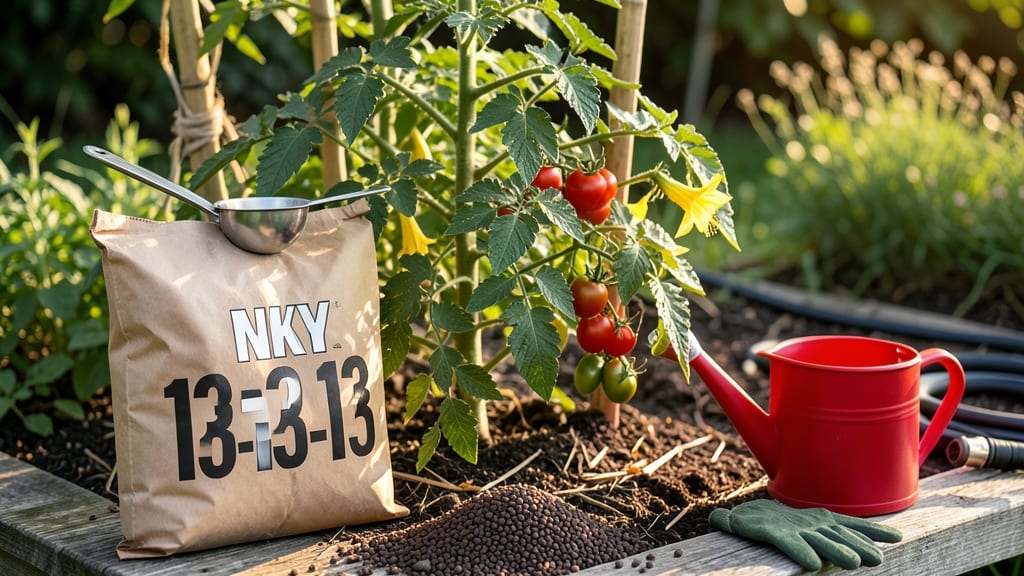
To feed your tomato plants with 13-13-13 fertilizer, start with 1 pound per 100 square feet at planting—this balanced ratio supports steady growth without overwhelming young roots.
Picture this: You’ve just transplanted your seedlings, and the soil looks perfect. But if you dump too much fertilizer too soon, you’ll end up with leaf burn instead of lush vines. The key is timing—half the dose at planting, then adjust as your 🍅 plants mature.
During the flowering stage, cut back to ½ pound per 100 square feet every 4-6 weeks to avoid overstimulating foliage at the expense of fruit. Too much nitrogen here means fewer tomatoes and more leaves, which is the last thing you want.
Below, I’ll break down the exact amounts by growth phase, plus how to spot over-fertilization and when to switch to a lighter touch. No guesswork—just actionable pounds per plant to keep your harvest thriving.

13-13-13 Fertilizer dosage by tomato plant growth stage (pound breakdown)
Tomato plants need precise 13-13-13 fertilizer amounts at each growth stage to avoid nutrient burn or stunted fruit production. The seedling stage requires minimal feeding, while flowering and fruiting stages demand more nutrients.
I’ll break down the exact pound measurements for granular fertilizer, adjusted for sandy vs. clay soil, so you can feed your plants efficiently without waste.
First, understand that 13-13-13 provides equal parts nitrogen (N), phosphorus (P), and potassium (K). For tomatoes, phosphorus and potassium are critical during flowering and fruiting, while nitrogen supports early leafy growth.
Overapplying fertilizer—especially in clay soil—can lead to salt buildup and root damage. Always measure carefully and adjust based on your soil type.
Here’s how much 13-13-13 fertilizer to use per tomato plant, converted from tablespoons to pounds for granular fertilizer (1 pound ≈ 32 tablespoons). The table below compares dosages for sandy soil (which drains quickly) and clay soil (which retains moisture and nutrients longer).
For sandy soil, which drains nutrients quickly, you’ll need to apply double the amount compared to clay soil. For example, a seedling in sandy soil gets 0.03 lbs (1 tbsp), while one in clay soil only needs half that.
Always water thoroughly after applying fertilizer to help nutrients penetrate the root zone and prevent salt buildup on the soil surface.
Timing is everything. Apply 13-13-13 fertilizer in the morning when temperatures are cooler to reduce the risk of root burn. Avoid fertilizing within 48 hours of watering to let the granules dissolve properly.
If your tomatoes are heavy producers, split the fruiting-stage dose into two smaller applications—say, 0.045 lbs (1.5 tbsp) every 3 weeks—to prevent overloading the plant.
Watch for signs of over-fertilization, like crispy leaf edges or yellowing between veins. If this happens, flush the soil with water to dilute excess salts. For container-grown tomatoes, reduce dosages by 25% since roots are confined and absorb nutrients faster.
Always test your soil before fertilizing—if it’s already rich in nutrients, you may not need the full amount.
Pro tip: Mix 13-13-13 with compost or worm castings to improve soil structure and provide slow-release nutrients. This reduces the risk of nutrient spikes while keeping your tomatoes healthy throughout the season. With these precise dosages, you’ll avoid common mistakes and enjoy a bountiful harvest of juicy, flavorful tomatoes.
Remember, consistency is key. Stick to the growth-stage schedule, and your tomato plants will reward you with vigorous growth and abundant
Common mistakes when applying 13-13-13 to tomato plants (and how to avoid them)
Applying 13-13-13 fertilizer to your tomato plants can boost growth, but mistakes like overfeeding or poor timing often lead to wasted effort—or worse, nutrient burn. Many gardeners accidentally apply too much too soon, thinking more fertilizer equals bigger yields.
The truth? Your tomatoes need a balanced approach tailored to their growth stage, not a one-size-fits-all solution.
One of the biggest errors is ignoring soil testing. If your soil is already rich in nutrients, extra fertilizer can disrupt the NPK balance (nitrogen, phosphorus, potassium), causing yellowing leaves or stunted growth.
Always check your soil’s pH and nutrient levels before applying 13-13-13. For most gardeners, a simple home soil test kit ($10–$20) is enough to avoid costly mistakes.
⚠️ callout warning ⚠️
Seedlings: ½ teaspoon mixed into soil at planting (max!). Mature Plants: 1 tablespoon every 4–6 weeks during growing season. Overhead: Never exceed 2 tbsp per plant per season—this burns roots! Soil Type: Clay soil? Reduce by 30%; sandy soil? Increase by 20%.
Another common mistake is applying fertilizer too frequently. While tomatoes love nutrients, their roots need time to absorb them. Weekly applications of 13-13-13 can overwhelm your plants, leading to salt buildup in the soil and leaf scorch.
Stick to a monthly schedule during active growth (April–September) and skip fertilizing entirely in winter or early spring before the last frost.
Watch for signs of over-fertilization, like crispy leaf edges or brown patches. These are clear signals your tomatoes are suffering from nutrient burn. If you notice these symptoms, flush the soil with water to dilute excess salts, and hold off on fertilizing for 2–3 weeks.
Meanwhile, boost organic matter with compost or worm castings to restore balance naturally.
For a safer alternative, consider organic fertilizers like compost tea or fish emulsion, which provide nutrients without the risk of burn. These options also improve soil health long-term, reducing the need for synthetic fertilizers.
Mix 1 tablespoon of fish emulsion per gallon of water and apply every 2 weeks during flowering and fruiting stages for a gentler boost.
Finally, always water deeply after fertilizing to help nutrients reach the roots. Shallow watering leaves fertilizer sitting on the soil surface, where it can evaporate or burn tender foliage. Aim for 1–1.5 gallons per plant after each feeding to ensure your tomatoes absorb what they need without waste.