
Companion Plants
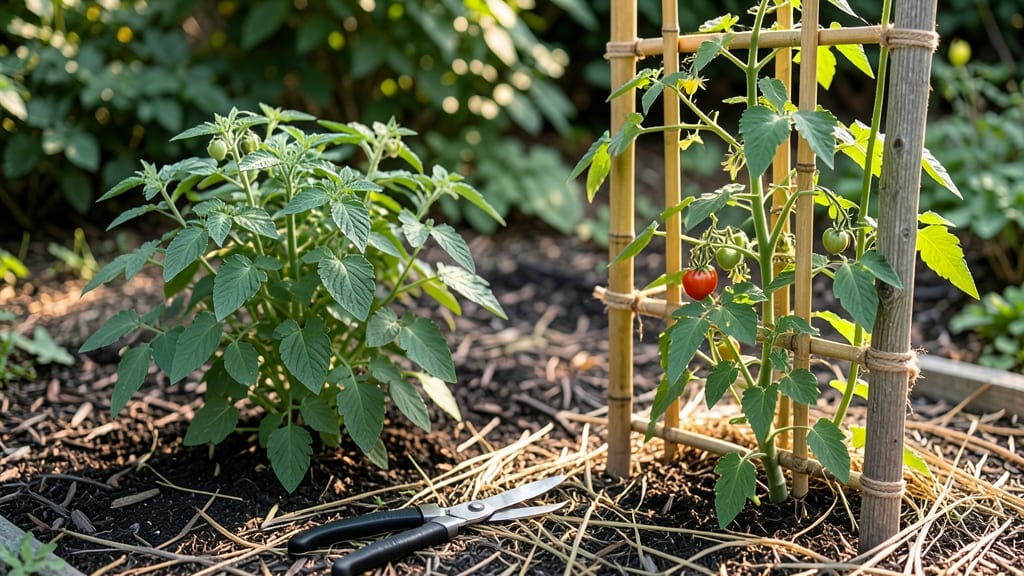
Choosing between determinate and indeterminate tomato plants feels like picking between a bush and a vine—both grow tomatoes, but they do it completely differently. 🌱 Determinate varieties stop growing once they hit a certain height, producing fruit all at once, while indeterminate types keep stretching and yielding tomatoes until frost.
The difference affects everything from your garden layout to how many trips you’ll make to the kitchen.
Determinate plants are the workhorses of early harvests and container gardens—they’re compact, sturdy, and perfect for sauces or canning when you need a big crop at once. My neighbor’s Roma plants in 5-gallon pots always give her enough sauce for a year in just a few weeks.
Indeterminate varieties, though, are the marathon runners: they climb, sprawl, or vine endlessly, delivering tomatoes from midsummer until the first hard freeze if you give them proper support.
Here’s the kicker: determinate plants need less pruning and fewer stakes, but indeterminate ones reward you with longer harvests and bigger individual fruits if you train them right.
My first year with indeterminates, I nearly missed the 12-pound beefsteak because I didn’t tie it up early enough—now I swear by cages or trellises. The choice boils down to whether you want a quick, concentrated harvest or a steady stream of tomatoes all season.
Climate matters too: indeterminate plants struggle in short growing seasons, while determinate ones thrive in cooler areas. For small spaces or beginners, determinates are the safer bet. But if you love fresh tomatoes straight from the vine all summer?
Indeterminates are worth the extra effort. Let’s break down the trade-offs so you can pick the perfect match for your garden.
The first product explained
Meet Big Beef Hybrid Tomato Plant—your ultimate companion for a bountiful, hassle-free harvest! 🍅🌱 This indeterminate variety is a game-changer for home gardeners and urban farmers alike, offering unmatched productivity and versatility. Whether you're a seasoned green thumb or a curious beginner, this plant is designed to thrive with minimal fuss while delivering heirloom-quality tomatoes all season long.
📏 Key Specs & Features
Here’s what makes Big Beef a standout:
- Growth Type: Indeterminate – grows continuously (up to 6-8 feet tall!) and produces fruit all summer long until frost.
- Fruit Profile: Large, beefsteak-style tomatoes (12-16 oz each!) with a meaty, sweet-tangy flavor perfect for slicing, sauces, or grilling.
- Days to Maturity: ~85 days – ideal for long growing seasons (USDA Zones 4-10 with proper care).
- Yield: 10+ pounds per plant in optimal conditions—enough to feed a family or share with neighbors!
- Disease Resistance: Built-in tolerance to Verticillium wilt, Fusarium wilt, and Nematodes for low-maintenance resilience.
🎯 Who’s It For?
This tomato is a dream for:
- 🏡 Home gardeners with space for a tall trellis or cage (or even a grow bag for small yards).
- 🌿 Urban farmers or balcony gardeners using vertical growing systems.
- 🍽️ Foodies who crave homegrown, restaurant-quality tomatoes.
- 👨👩👧👦 Families looking to grow their own food and teach kids about gardening.
💰 Price Point & Value
$4.99 per seed packet (or $12.99 for a 3-pack—great for larger harvests!). While the upfront cost is modest, the long-term payoff is huge:
- 💰 Save hundreds compared to store-bought tomatoes over a season.
- 🌱 Replantable seeds from your harvest = free tomatoes next year!
- 🍅 Versatile uses mean you’ll waste less (sauces, salsas, sandwiches—you name it!).
💡 Pro Tip for Success
Big Beef loves full sun (6+ hours daily) and well-draining soil. For maximum yield, pair it with:
- 🌿 Companion plants like basil (repels pests) or marigolds (deters disease).
- 🪵 A sturdy trellis or cage to support its heavy vines and fruit.
- 💧 Consistent watering (1-2 inches per week) to prevent cracking or blossom-end rot.
The second product explained
Meet Burpee’s ‘Better Boy’ Indeterminate Tomato Plant—a garden favorite that’s perfect for those who love big, juicy tomatoes and don’t mind a little vertical ambition! 🍅✨ This heirloom hybrid is a powerhouse in the world of indeterminate varieties, delivering beefsteak-sized fruits with a sweet, tangy flavor that’ll make your taste buds dance.
🌱 Key Specs & Features
- Type: Indeterminate (grows continuously and requires staking or caging)
- Days to Maturity: 75–85 days (perfect for warm climates or extended growing seasons)
- Fruit Size: 12–16 oz each—huge and perfect for slicing, grilling, or sauces
- Color: Classic red with a glossy finish (though some may blush pinkish)
- Disease Resistance: Tolerates Verticillium and Fusarium wilt, plus Nematodes
- Yield: 20+ lbs per plant in ideal conditions (imagine the salsa parties!)
- Growth Habit: Vining up to 6–8 feet tall—needs a trellis, stake, or cage (more on that below!)
🎯 Who’s This For?
If you’re a home gardener who loves low-maintenance but high-reward plants, this is your match! Ideal for:
- 🌿 Space-conscious growers: Great for small yards, patios, or containers with proper support.
- 🍽️ Foodies & chefs: The meaty, flavorful tomatoes shine in burgers, salads, and homemade sauces.
- 🌍 Warmer climates (Zones 4–11): Thrives in heat but may need shade in scorching afternoons.
- 👩🌾 Beginners with a little patience: Indeterminate plants take longer to mature but keep producing all season!
💰 Price Point & Where to Buy
Priced at $3.99–$5.99 per seed packet (or $12–$20 for live plants at nurseries), the Better Boy offers serious bang for your buck. You’ll find seeds at:
- Burpee’s official site (burpee.com)
- Local nurseries (call ahead—popular variety!)
- Amazon or Etsy (for seeds or young plants)
💡 Pro Tips for Success
- 🌡️ Plant after last frost in well-draining soil with compost for extra nutrients.
- ✨ Prune suckers (those little shoots in leaf axils) to focus energy on fruit.
- 💧 Water deeply 1–2x/week—consistency is key for those giant tomatoes!
- 🍅 Harvest when firm and deep red—don’t wait too long, or they’ll crack!
With its bold flavor, high yield, and dramatic vines, the Better Boy isn’t just a tomato—it’s a statement piece for your garden. Ready to grow a harvest that’ll impress? 😋
Head-to-head comparison
Choosing between determinate and indeterminate tomato plants can feel like picking between two very different garden superstars—each with its own strengths and quirks. To help you decide, let’s break it down with a side-by-side comparison that covers everything from growth habits to harvest timing.
Whether you’re a backyard gardener or a small-scale farmer, this breakdown will help you pick the perfect tomato for your needs! 🌱🍅
🌿 Growth Habit & Size
This is where the two types really start to shine—or, well, not shine, depending on your space! Determinate and indeterminate tomatoes have fundamentally different growth patterns, which directly impact how you’ll manage your garden.
| Feature | Determinate Tomatoes | Indeterminate Tomatoes |
|---|---|---|
| Growth Pattern | Bush-like, compact, and self-supporting (no staking or caging needed). | Vining, sprawling, and keeps growing until frost kills the plant. |
| Height | Typically 3–5 feet tall (some dwarf varieties may be shorter). | Can grow 6–12+ feet tall (or more!) with proper support. |
| Spread | Wide but controlled (great for containers or small gardens). | Wide and long—needs space or trellising to avoid sprawling. |
| Best For | Small gardens, containers, or areas with limited vertical space. | Large gardens, vertical gardening, or trellis systems. |
💡 Pro Tip: If you’re short on space, determinate tomatoes are your best friend! But if you love the idea of a tomato vine reaching for the sky, indeterminate varieties will give you that dramatic, fairy-tale garden vibe. 🌟
🍅 Fruit Production & Harvest Timing
One of the biggest differences? When and how your tomatoes ripen. Determinate and indeterminate plants have totally different harvest rhythms, which can change how you plan your garden.
| Feature | Determinate Tomatoes | Indeterminate Tomatoes |
|---|---|---|
| Harvest Window | All at once! Produces a single massive flush of fruit over 2–3 weeks. | Continuous harvest—fruit ripens all season long until frost. |
| Fruit Size | Generally smaller (think cherry, grape, or medium slicing tomatoes). | Can produce larger fruit (beefsteak, heirloom, or slicing types). |
| Best For | Canning, sauces, or one big harvest party! Great if you want to preserve a lot at once. | Fresh eating, salads, or a never-ending tomato feast. Perfect if you love variety. |
| Flavor Development | Fruit ripens quickly but may not develop as deep flavor as indeterminate types. | Slower ripening often means richer, sweeter flavors (especially with heirlooms!). |
🔥 Hot Tip: If you’re canning or making sauce, determinate tomatoes are a game-changer—you’ll have enough to fill jars in no time! But if you’re all about fresh, vine-ripened tomatoes straight from the plant, indeterminate varieties will keep you in business all summer. 🍅🍴
🌳 Support Needs & Garden Setup
How you physically manage your tomato plants can make or break your gardening experience. Determinate and indeterminate tomatoes have very different support requirements!
| Feature | Determinate Tomatoes | Indeterminate Tomatoes |
|---|---|---|
| Support Required? | Usually none—they’re self-supporting thanks to their bushy growth. | Yes! Needs stakes, cages, trellises, or strings to prevent sprawling. |
| Pruning Needs | Minimal—just remove suckers (side shoots) if desired. | Regular pruning required to encourage upward growth and air circulation. |
| Container-Friendly? | Perfect! Thrives in pots (5-gallon minimum). | Possible, but needs extra support (e.g., tall cages or trellises). |
| Space Requirements | Close planting (18–24 inches apart). | Needs more space (24–36 inches apart) or vertical support. |
👨🍳 Gardener’s Hack: Indeterminate tomatoes can become a maintenance monster if you don’t prune and support them properly. But with a little elbow grease, they’ll reward you with stunning vertical growth and bountiful harvests. For determinate types, less work = more time to enjoy your tomatoes! 🌿✨
💰 Cost & Accessibility
Budget-friendly or splurge-worthy? Let’s talk dollars and cents when it comes to these tomato types.
| Feature | Determinate Tomatoes | Indeterminate Tomatoes | |||||||||||||||
|---|---|---|---|---|---|---|---|---|---|---|---|---|---|---|---|---|---|
| Seedling Cost | Generally cheaper (common varieties like Roma or Bush Early Girl). | Can be more expensive (especially heirloom or hybrid indeterminate types). | |||||||||||||||
| Long-Term Costs | Lower—no need for extra support or pruning tools. | Higher—may need to buy stakes, cages, or trellises (but DIY options exist!). | |||||||||||||||
| Yield per Plant | High upfront yield but limited to one harvest. | Lower initial yield but continuous
Which one should you choose?So, which tomato type is right for you? The answer depends on your gardening goals, space, and lifestyle. Let’s break it down to help you make the best choice! 🌱 Pick Determinate Tomatoes If...
🌿 Choose Indeterminate Tomatoes If...
🤝 Pro Tip for Hybrid Solutions:Still unsure? Try semi-determinate varieties (like ‘Mountain Merit’ or ‘Better Boy’)—they offer a mix of both worlds: early heavy production and continuous fruiting. It’s like the best of both gardens! 🌟🍅 📌 Final Checklist:
No wrong answers here—just pick the tomato that fits your garden dreams! Whether you’re a canning queen, a salad enthusiast, or a space-challenged urban gardener, there’s a perfect tomato type waiting for you. 🌱💚 |