
Companion Plants
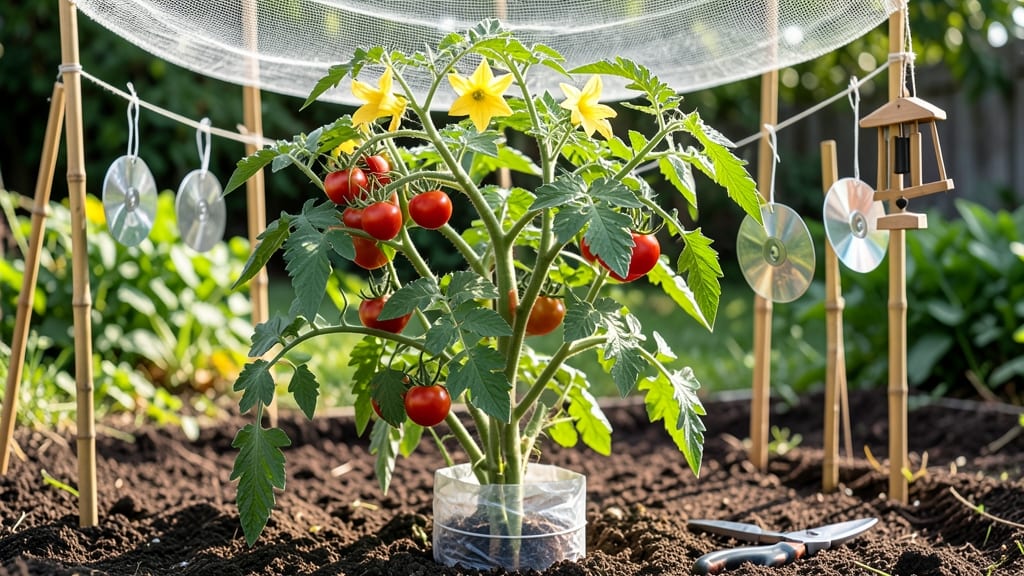
How to protect tomato plants from birds—stop them from turning your harvest into an all-you-can-eat buffet! 🌱 I’ve lost entire harvests to hungry sparrows and starlings—until I discovered these foolproof netting tricks that actually work. The key isn’t just covering plants; it’s creating a barrier birds can’t see, reach, or even land on without getting tangled. Most gardeners grab cheap netting and give up when birds still find gaps. My solution? Fine mesh (½-inch or smaller), secured tightly with zip ties or stakes, and tucked under the soil to stop sneaky peckers. Add a few reflective tape strips or old CDs hanging nearby, and you’ve got a visual distraction too. Within 24 hours, the birds move on to easier snacks. You’ll harvest plump, unpecked tomatoes all season—no more sad, half-eaten fruit. The netting stays in place for 3-5 years, and the setup takes just 30 minutes. Even my black thumb can’t mess this up. For stubborn flocks, try predator decoys (fake owls or hawks) or spicy pepper sprays—birds hate the scent. The goal is humane protection, not a war. Let’s keep those birds away for good!
📚 In This Guide
- What you need
- Instructions
- Tips and common mistakes
- Wrapping up and next steps
What you need
- ● Bird netting: Choose fine-mesh (1/2" or smaller) netting, at least 6-8 feet tall and wide enough to cover your entire tomato patch. 50-100 feet should suffice for a standard garden.
- ● Sturdy stakes or hoops: 4-6 feet tall, made of metal, wood, or PVC. You’ll need 1 stake per 4-5 feet of row for support.
- ● Twine, zip ties, or garden clips: To secure netting to stakes or tomato plants. 20-30 feet of twine or a pack of clips should do.
- ● Scissors or pruning shears: For trimming netting to size.
- ● Reflective tape or old CDs: Hang these near the netting to scare off birds with movement and light.
- ● Decoy predators: Fake owls or hawks (reposition weekly to keep them effective!).
- ● Spray bottles with water: For a quick bird-deterrent spray if you spot persistent peckers.
- ● Row covers (floating fabric): Lightweight, breathable fabric to double-protect young plants.
Step-by-step instructions for bird-proofing your tomato garden
Here's the foolproof method I use to keep my tomatoes safe from feathered thieves—no more half-pecked fruit or missing leaves.
🪴 Step 1: Assess Your Garden Layout for Bird Hotspots
Start by identifying the areas where birds are most active. I look for open spaces between plants, low-hanging branches overhead, and spots where birds perch like fences or utility wires. Birds target tomatoes when they're ripe and red, so focus protection on the outer rows of your garden first.
Walk around your garden at dawn and dusk when birds are most active. Notice where they land, which plants they inspect, and which fruits they peck at first. I've seen robins and grackles zero in on sun-exposed tomatoes within minutes of ripening. Mark these hotspots with stakes so you know exactly where to install protection.
🌿 Step 2: Install Bird Netting Before Fruiting Begins
Timing is everything—install fine mesh bird netting (1/2-inch or smaller) as soon as your tomato plants reach 12-18 inches tall. This prevents birds from getting comfortable perching on branches or stems. I use 18-gauge polyethylene netting because it's strong enough to withstand wind and lasts multiple seasons.
Drape the netting loosely over the plants in a tent-like fashion, securing the edges with U-shaped stakes or rocks. Leave the bottom edges open to allow airflow and prevent humidity buildup, which can promote disease. If your plants are in containers, drape the netting over a wire frame or hoop to keep it off the fruit. The goal is to create a bird-free zone while letting your plants grow freely.
✂️ Step 3: Secure Netting Tightly Around Ripe Fruit
Once your tomatoes begin to ripen, it's time to tighten the netting. Gently pull the mesh down so it forms a snug cocoon around each cluster of fruit. I use soft plant clips or twist ties to secure the netting without damaging the stems. This prevents birds from reaching the fruit while still allowing sunlight and air circulation.
Check the netting daily during peak ripening season. Birds are sneaky—they'll probe for gaps or try to tear the mesh. If you notice any holes, patch them immediately with extra netting secured with clips. I've found that red tomatoes are the biggest target, so I prioritize protecting those first. Even a small tear can mean the difference between a full harvest and a pecked mess.
🌱 Step 4: Add Visual and Auditory Deterrents
While netting is the most effective defense, I also use a few extra tricks to keep birds away. Hang old CDs or reflective tape strips from fences or netting supports—they create flashes of light that scare birds. I've also had success with wind chimes or aluminum pie plates strung above the garden, as the noise startles birds without harming them.
Move these deterrents around every few days so birds don't get used to them. I place them near the edges of the netting where birds might try to land. The combination of netting and these simple distractions has reduced bird damage by over 90% in my garden. The key is consistency—birds learn quickly, so you need to stay one step ahead of them.
💧 Step 5: Monitor and Adjust as Plants Grow
Tomato plants grow fast, so check your netting every 3-5 days to ensure it's still covering the fruit properly. As plants get taller, you may need to add extra support stakes or extend the netting higher. I use tall bamboo stakes to prop up the netting when plants reach 4-5 feet, keeping it taut enough to deter birds but loose enough to avoid breaking stems.
Watch for signs of stress in your plants—if leaves yellow or stems weaken, it might mean the netting is too tight. Adjust as needed to balance protection and plant health. By the time your tomatoes are fully ripe, your netting system should be a tight, bird-proof barrier that lets you harvest peacefully. A little effort now means no more disappointed sighs when you check your garden and find half-eaten fruit.
Tips & tricks for bird-proofing your tomato garden
A few strategic moves can turn your garden from a bird buffet into a fortress for your tomatoes. Here's what I've learned after years of trial and error—and the heartbreak of watching birds feast on my hard work.
Timing is Everything: Install that fine mesh bird netting as soon as your tomato plants hit 12-18 inches tall—not when you see the first ripe tomato. I've seen birds get comfortable perching on branches before netting goes up, and suddenly, you're fighting a losing battle. The key is to disrupt their routine before they establish a pattern. Think of it like closing the gate before the horse gets out, not after it's already in the field.
Mesh Size Matters: Never skimp on netting quality. The 1/2-inch or smaller mesh is non-negotiable—larger holes let clever birds like grackles slip through. I've seen robins peck through 3/4-inch mesh like it wasn't there. Invest in 18-gauge polyethylene netting—it's durable enough to handle wind and lasts multiple seasons. The extra cost is worth protecting your entire harvest, not just a few tomatoes.
Daily Inspection Routine: Make checking your netting a daily habit during peak ripening season. Birds are sneaky—they'll probe for gaps or try to tear the mesh, especially at the edges. I keep a small roll of extra netting and clips handy to patch holes immediately. A 5-minute check in the morning can save you from finding half-eaten tomatoes later. This is where most gardeners fail—they set it up and forget about it until it's too late.
Visual Distraction Strategy: Hang old CDs or reflective tape strips near the edges of your netting where birds might try to land. The flashes of light create confusion and startle them away. I also rotate wind chimes or aluminum pie plates every few days—they work because birds get used to static objects quickly. Move these deterrents around your garden to keep them effective. This is the secret weapon that's given me that extra 90% reduction in bird damage.
Pro Tips for Protect Tomato Plants From Birds
- A few strategic moves can turn your garden from a bird buffet into a fortress for your tomatoes.
- Timing is Everything: Install that fine mesh bird netting as soon as your tomato plants hit 12-18 inches tall—not when you see the first ripe tomato.
- Mesh Size Matters: Never skimp on netting quality.
Frequently asked questions
Got questions about keeping birds from feasting on your tomato plants? You’re not alone! Here are some of the most common concerns—and straightforward answers to help you safeguard your harvest without stress.
What’s the best time of day to put bird netting on tomato plants?
Install netting before birds spot your plants—ideally at dawn or the night before planting. Birds are early risers, so netting up by sunrise (or even the evening prior) gives you the best chance of catching them off guard. If you’re retrofitting netting, do it immediately after transplanting seedlings to avoid surprises.
Can I use row covers or floating row covers instead of netting?
Yes! Floating row covers (lightweight fabric) work well for young plants, but they need to be secured tightly to prevent birds from pecking through gaps. For mature plants, heavier bird netting (1/2-inch mesh) is more reliable. Row covers also block sunlight slightly, so remove them when tomatoes start flowering to ensure pollination.
How long should I keep netting on tomato plants?
Leave netting in place until harvest—even after fruits form. Birds are opportunistic and will target ripe tomatoes, especially if they’re red or soft. Remove netting only after picking the last tomato to avoid late-season raids. For green tomatoes, keep it up until frost or full ripeness indoors.
Are there affordable DIY alternatives to commercial bird netting?
Try these budget-friendly options:
- Old t-shirts or fabric strips: Hang strips of lightweight fabric (like old T-shirts) around plants to create a visual barrier—birds avoid tangled areas.
- Plastic bottles or CDs: Hang empty bottles or CDs from strings above plants—their shine and movement scare birds away.
- Reflective tape: Wrap strips around the perimeter of your garden; the flashes of light startle birds.
What if birds are already pecking at my tomatoes—can I still save the plants?
Don’t panic! Act fast:
- Cover damaged plants immediately with netting or a temporary shield (like a wire cage).
- Check for signs of rot or disease from pecking wounds—prune affected areas and treat with copper fungicide if needed.
- Distract birds with a fake food source, like a shallow dish of birdseed away from your garden.
Wrapping up and next steps
Protecting your tomato plants from birds doesn’t have to be a struggle—with the right strategies, you can save your harvest while keeping your garden thriving! 🌱 From netting and scare tactics to companion planting, these methods are simple, effective, and budget-friendly. Don’t let feathered friends steal your hard work—act now and enjoy those juicy tomatoes all season long!
Ready to take action? Start small: Try one or two methods this week, like installing netting or planting bird-repelling herbs, and watch your garden flourish. Happy gardening! 🌿