
Planting
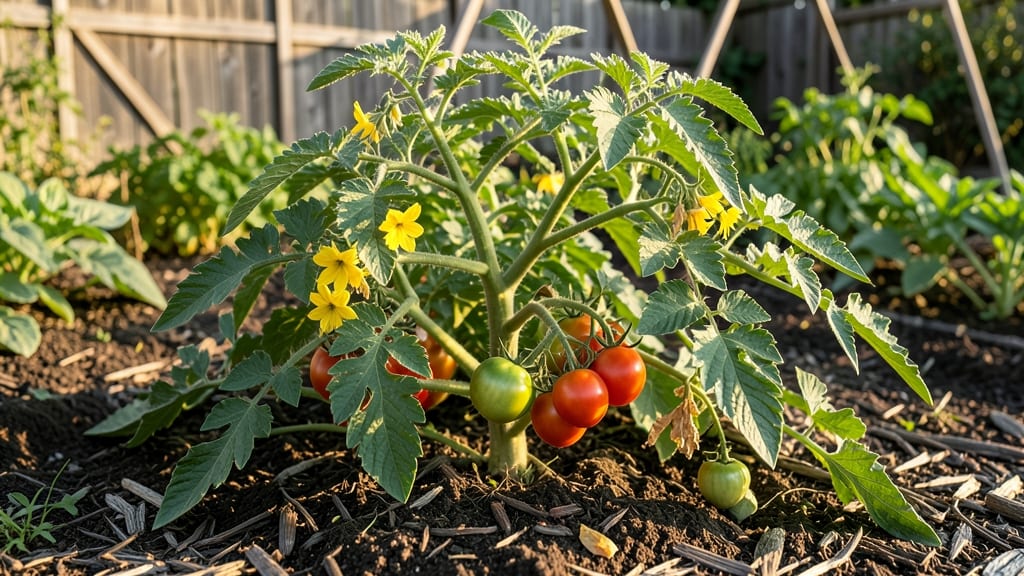
Growing a hillbilly tomato plant means harvesting beefsteak-sized fruits that weigh a pound each—if you give them the right support. 🌱 These indeterminate giants need strong cages or stakes from day one, or the vines will collapse under their own weight.
I learned that the hard way when my first plant snapped mid-summer, sending ripe tomatoes rolling into the mulch. The secret to success starts with soil: mix in aged compost and a handful of bone meal at planting time for extra strength.
These plants thrive in full sun (6-8 hours daily) and drink deeply—1-2 gallons per plant weekly—but avoid wetting the leaves to prevent disease. Prune aggressively to remove suckers, directing energy into fewer, larger fruits.
By midsummer, you'll see glossy, deep-green leaves and vines stretching 8+ feet tall, each branch heavy with fruit. The flavor? Sweet, meaty, and complex—worth the extra effort. Just be ready to harvest frequently, or the tomatoes will split when overripe.
Perfect for gardeners with space and patience (or a trellis system). Here's how to keep them thriving all season long.
📚 In This Guide
- What you need
- Instructions
- Tips and common mistakes
- Wrapping up and next steps
What you need
- ● Hillbilly tomato seeds or seedlings: 1–3 plants (depending on space). Look for heirloom varieties like Hillbilly or Cherokee Purple for that classic flavor and size.
- ● Large containers or garden bed: For containers: 5-gallon buckets or fabric grow bags (at least 18" deep and wide) with drainage holes.
- ● For in-ground planting: A sunny spot (6+ hours of sunlight) with well-draining soil. Amend with compost for nutrient-rich soil.
- ● Support system: Cages: 6–8 ft tall tomato cages (heavy-duty, sturdy wire). Pro tip: 💡 Add extra stakes or a wooden frame for extra stability!
- ● Trellis or stakes: 8–10 ft bamboo stakes or a DIY wooden trellis. Secure with soft plant ties or old T-shirts.
- ● Potting mix (if container gardening): High-quality, well-draining mix with added compost or worm castings.
- ● Fertilizer: Balanced organic fertilizer (e.g., 5-5-5 or 10-10-10) for planting.
- ● Tomato-specific fertilizer (high in potassium and phosphorus) for fruiting stage.
- ● Mulch: Straw, grass clippings, or wood chips to retain moisture and suppress weeds.
- ● Garden trowel or shovel for planting.
- ● Pruning shears for trimming suckers and dead leaves.
- ● Watering can or hose with a gentle spray nozzle (hillbilly tomatoes need consistent moisture!).
- ● Gloves and knee pads for comfort during planting and maintenance.
- ○ pH test kit (optional but helpful to ensure soil pH is between 6.0–6.8).
- ● Last frost date: Wait until after the last frost in your area to plant seedlings or direct-sow seeds (typically 2–3 weeks after last frost).
- ● Warm soil: Soil should be at least 60°F (15°C) for seeds or seedlings to thrive.
- ● Space: Hillbilly tomatoes need 3–4 ft of space between plants for airflow and support.
How to grow hillbilly tomato plants for maximum yield
These indeterminate giants need the right approach to support their weighty harvests.
🌱 Step 1: Select and Prepare Your Planting Site
Hillbilly tomatoes thrive in full sun—choose a location with at least 8 hours of direct sunlight daily. The soil should be well-draining but rich in organic matter, with a pH between 6.0 and 6.8. I always test my soil first; these plants are heavy feeders and won’t tolerate poor conditions. Amend the soil with 2-3 inches of compost mixed into the top 12 inches of soil to ensure strong root development.
These vining monsters need strong, deep roots, so avoid compacted or rocky soil. If your garden bed is heavy clay, add sand or perlite to improve drainage. The key is creating a loose, airy environment that encourages root expansion. I like to work in a 5-10-10 fertilizer at planting time to give them an early nutrient boost.
☀️ Step 2: Provide Heavy-Duty Support Structures Early
Hillbilly tomatoes can grow 10-15 feet tall and produce 10-pound fruit, so support isn’t optional—it’s essential. Install a 9-foot-tall tomato cage or sturdy wooden trellis the day you plant. I prefer wooden A-frame supports because they’re more stable than cages and can handle the weight. Bury the base 12 inches deep and stake it firmly into the ground to prevent toppling.
Don’t wait until the plant is laden with fruit to set up support. The instant you transplant, attach the plant to the structure with soft plant ties or old pantyhose strips. This prevents wind damage and encourages upward growth. You’ll see the plant lean toward the support naturally—guide it gently but firmly as it climbs.
💧 Step 3: Water Deeply and Consistently
Hillbilly tomatoes need 1-2 inches of water per week, delivered at the base of the plant to avoid wetting the leaves (which invites disease). I water deeply every 2-3 days, checking the soil 2 inches down—if it’s dry, it’s time to water. These plants have shallow but extensive root systems, so frequent, deep watering prevents fruit from splitting.
Mulch around the base with 3-4 inches of straw or wood chips to retain moisture and regulate soil temperature. Avoid letting the mulch touch the stem, as this can cause rot. You’ll know your watering is right when the soil stays evenly moist but not soggy, and the leaves remain deep green and crisp rather than wilting or yellowing.
✂️ Step 4: Prune and Train for Optimal Fruit Production
Pruning is critical for Hillbilly tomatoes—remove suckers (the small shoots that form in the leaf axils) weekly to redirect energy into fruit production. I pinch off suckers larger than 1 inch to keep the plant focused on growing upward. Leave 2-3 main stems to maximize yield, but avoid over-pruning, which can stress the plant.
Train the vines to climb the support by tying them every 12 inches as they grow. Remove any leaves below the first 3 feet of the plant to improve airflow and reduce disease risk. You’ll see the plant thicken and produce larger, heavier fruit when pruned correctly. Harvest fruit when it’s fully colored and slightly soft to the touch—don’t let it overripe on the vine.
🌿 Step 5: Fertilize and Monitor for Pests/Diseases
Feed Hillbilly tomatoes every 2-3 weeks with a balanced liquid fertilizer (like 10-10-10) once they start flowering. I switch to a low-nitrogen, high-phosphorus fertilizer (like 5-10-10) when fruit sets to encourage sweetness. Avoid high-nitrogen feeds, which promote leafy growth at the expense of fruit.
Watch for hornworms, aphids, and early blight—common issues with these vigorous plants. I use neem oil for pests and copper fungicide at the first sign of leaf spots. Remove any diseased leaves immediately and destroy them (don’t compost). A healthy Hillbilly plant will produce fruit until frost, but you’ll need to protect it with row covers if late-season rains threaten.
Tips & tricks for growing hillbilly tomato plants
Real talk: These vining giants demand more than your average tomato plant—here's how to give them exactly what they need.
Soil Preparation Secret: The key to supporting those 10-pound fruits starts underground. Before planting, mix in 2-3 inches of compost and work it into the top 12 inches of soil. I also add a handful of egg shells (crushed) around the base for calcium—this prevents the dreaded blossom-end rot that can ruin your harvest. The loose, airy soil helps roots spread deep where they can anchor the plant's massive weight.
Support System Game-Changer: Don't make my mistake of waiting until the plant is loaded with fruit to install support. Set up your 9-foot-tall wooden A-frame the day you transplant, burying it 12 inches deep for maximum stability. I've seen tomato cages topple under the weight—wooden supports are worth the extra effort. Use soft plant ties (not wire) to gently guide the vines upward, adjusting every 12 inches as they grow. This prevents wind damage and keeps the plant growing vertically where it belongs.
Watering Wisdom: Those 1-2 inches of water per week need to go directly to the roots, not the leaves. I use a soaker hose buried 2 inches deep to deliver water exactly where it's needed. The mulch layer of 3-4 inches of straw helps maintain even moisture, but keep it 2 inches away from the stem to prevent rot. Watch for wilting leaves—they're your signal to water, but make sure the soil is actually dry 2 inches down before you water again.
Pruning Precision: When you're removing those weekly suckers, aim for consistency. Use clean pruners to snip off any shoots larger than 1 inch that appear in the leaf axils. I leave 2-3 main stems to maximize fruit production while keeping the plant manageable. And here's a pro move: remove any leaves below the first 3 feet of the plant to improve airflow—this dramatically reduces disease risk. The goal is to keep the plant focused on producing those massive fruits, not putting energy into unnecessary foliage.
Pro Tips for Hillbilly Tomato Plant
- Real talk: These vining giants demand more than your average tomato plant—here's how to give them exactly what they need.
- Soil Preparation Secret: The key to supporting those 10-pound fruits starts underground.
- Support System Game-Changer: Don't make my mistake of waiting until the plant is loaded with fruit to install support.
Frequently asked questions
What’s the best time to plant hillbilly tomato seeds indoors vs. outdoors?
Start hillbilly tomato seeds indoors 8–10 weeks before your last frost date (around March–April in most zones). Transplant seedlings outdoors after soil warms to 60°F+ and nighttime temps stay above 50°F—usually late May to early June. If direct-sowing, wait until after all frost risk passes (use row covers if needed!).
How much support do these plants really need?
These indeterminate giants can grow 10+ feet tall! Use a strong cage (6+ ft), stake, or trellis with tiedowns every 12–18 inches. Add tension wires for heavy fruit clusters. Pro tip: Prune suckers aggressively to direct energy to fruit—not vines!
Why are my hillbilly tomatoes cracking? How do I prevent it?
Cracking happens from uneven watering (soil too dry, then drenched). Keep soil consistently moist (1–2 inches deep) with mulch to retain humidity. Avoid late-season watering or heavy rains before harvest. Bonus fix: Harvest when 70–80% ripe and store indoors to slow ripening.
Can I grow hillbilly tomatoes in containers? What size pot do I need?
Yes! Use a 5-gallon+ container (bigger = better for root growth). Ensure it has drainage holes and support stakes inside before planting. Choose a lightweight, self-watering pot if possible—these plants drink 1–2 gallons/day in peak season!
Do hillbilly tomatoes need special care in hot climates?
In 90°F+ temps, shade cloth (30–50%) can prevent sunscald. Morning watering (deep soak) + evening mulch keeps roots cool. Watch for blossom drop—use shade during flowering if temps hit 95°F+. Pro tip: Try drip irrigation to avoid wetting leaves (reduces disease).
Wrapping up and next steps
Growing a hillbilly tomato plant is a rewarding adventure for any gardener—these indeterminate giants deliver serious flavor and productivity with the right care! With sturdy support, proper pruning, and a little patience, you’ll soon be feasting on juicy, vine-ripened tomatoes that taste like summer in every bite. 🌱✨
Now that you’re armed with the know-how, why not take the next step? Start with just one plant this season, experiment with trellises or cages, and watch your green thumb grow. Happy gardening—and may your harvest overflow! 🍅💚