
How To
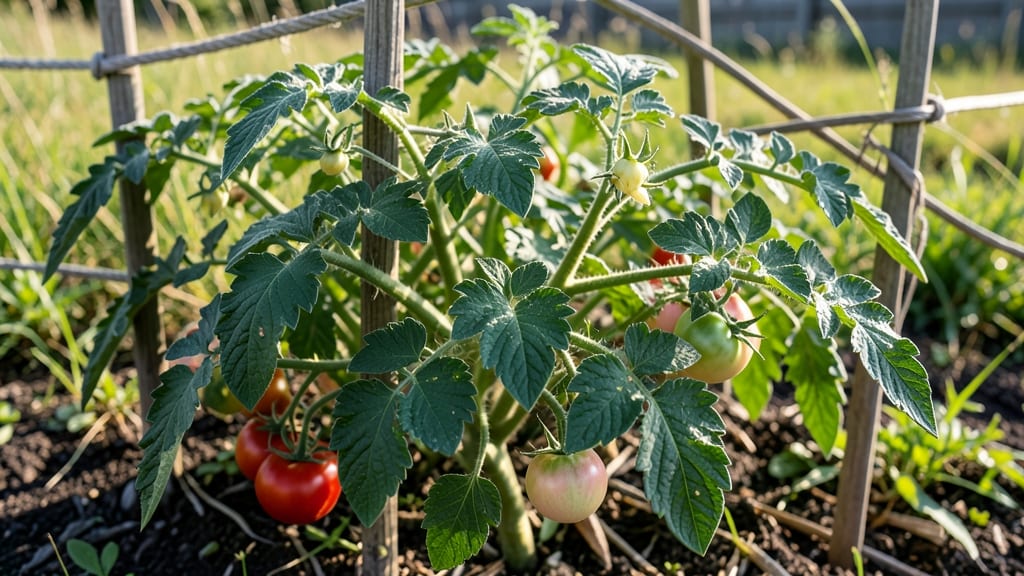
My heirloom tomato leaves used to look like Swiss cheese by midsummer—until I discovered copper spray. 🌱 That first spray in early June stopped the black spots and yellowing that ruined my harvests, and now my plants stay lush and productive all season long.
The secret isn't complicated: copper acts as a shield against fungal spores before they take hold. You'll need a ready-made spray or homemade mix (copper sulfate + water), and just 2-3 applications spaced 10 days apart can make all the difference.
The key is timing—apply it when leaves are dry and before rain to let it work its magic.
📚 In This Guide
- What you need
- Instructions
- Tips and common mistakes
- Wrapping up and next steps
What you need
- ● Copper-based fungicide (organic): Choose a ready-to-use liquid spray (like Bordeaux mixture or copper sulfate) or copper hydroxide. Look for a product labeled for edible garden use (e.g., Bonide Copper Fungicide). 1–2 tablespoons per gallon of water is a standard starting ratio.
- ● Water: 1 gallon (3.8 liters) of lukewarm or room-temperature water (never hot). Avoid distilled water—it lacks minerals that help the spray adhere.
- ● Spray bottle or garden sprayer: Small spray bottle (16–32 oz): For targeted treatment of individual leaves or small plants.
- ● Backpack sprayer (1–5 gallons): Ideal for larger heirloom tomato patches (e.g., Chapin 5-Gallon Backpack Sprayer).
- ● Protective gear: Nitrile or rubber gardening gloves (copper can irritate skin).
- ● Long-sleeved shirt and closed-toe shoes (to avoid accidental contact).
- ● Safety goggles (if spraying near your face or eyes).
- ● Heirloom tomato plants: Ready for treatment! Focus on leaves showing early signs of blight (yellowing, brown spots, or white mold).
- ● Dish soap (mild, unscented): 1/2 teaspoon per gallon. Acts as a sticker to help the copper adhere better to leaves.
- ○ Neem oil (optional booster): 1 teaspoon per gallon. Adds antifungal and insect-repelling properties (great for early blight prevention).
- ● pH test strips: To ensure your water is neutral (pH 6.0–7.0). Copper works best in this range!
- ● Label or marker: To tag treated plants and track application dates (copper spray needs 7–14 days between treatments for safety).
Step-by-step guide to protecting heirloom tomato leaves with copper spray
This organic method keeps your prized heirloom varieties thriving all season long.
🌿 Step 1: Choose the Right Copper Fungicide and Timing
I always reach for a ready-to-use copper fungicide with a 0.5-1.0% copper concentration—this is the sweet spot for effectiveness without burning tender leaves. The key is applying it preventatively before any signs of disease appear. Early morning is ideal because the spray has time to dry before evening humidity sets in.
Start your copper treatments 7-10 days before your tomatoes typically show stress—like right after transplanting or when nighttime temperatures dip below 65°F. This gives the copper time to build a protective film on the leaves before fungal spores get a foothold. I mark my calendar because heirloom tomatoes are especially vulnerable to early blight once the first flowers appear.
💧 Step 2: Prepare the Spray Mixture Correctly
If you're using a copper sulfate concentrate, mix it with water according to the label instructions—usually 1 tablespoon per gallon for most organic brands. The goal is a blue-tinged solution that coats leaves evenly without pooling. I stir it thoroughly in a clean sprayer (never reuse one from herbicides) to avoid clumping.
Add a few drops of mild liquid soap to help the copper adhere better to the leaf surfaces. This isn't about wetting agents—just enough to let the solution cling until it dries. Filter the mix through a fine mesh strainer to catch any undissolved particles, which could clog your sprayer nozzle and create uneven coverage.
☀️ Step 3: Apply Evenly to All Leaf Surfaces
Spray until the undersides of leaves (where 90% of fungal spores land) glisten lightly with copper residue. I work in sections, starting from the bottom of the plant and moving upward. This ensures the oldest leaves—most susceptible to blight—get full protection. Use a fine mist setting on your sprayer to avoid runoff, which wastes product and can burn stems.
Focus on the lower leaves first, then move to the middle and upper foliage. Avoid spraying when tomatoes are wet or when rain is forecast within 24 hours—the copper needs time to dry and form its protective layer. You'll know you've done it right when the leaves have a slight blue-green sheen that disappears as they dry.
⏰ Step 4: Establish a Preventative Schedule
Apply copper spray every 7-14 days throughout the growing season, or immediately after heavy rain. I set reminders on my phone because consistency is everything—skipping just one application can let fungal spores gain a foothold. The spray works best when it becomes part of your regular maintenance routine, like watering or pruning.
After each application, rinse your sprayer thoroughly with clean water to prevent copper buildup, which can corrode metal parts over time. Store any leftover mixture in a cool, dark place (like a shed) and use it within 7-10 days for maximum effectiveness. This isn't a one-time treatment—think of it like sunscreen for your plants.
✂️ Step 5: Combine With Cultural Practices for Maximum Protection
Copper spray works best when paired with proper spacing (at least 18-24 inches apart) to improve air circulation. I also remove lower leaves that touch the soil to prevent splashing spores upward. Mulch with straw or shredded leaves to keep soil-borne fungi from reaching your plants.
Rotate your copper treatments with baking soda spray (1 tablespoon baking soda + 1 teaspoon oil per gallon of water) every other application. This breaks up fungal resistance patterns that can develop over time. You'll notice healthier foliage within 2-3 weeks of consistent treatment—leaves stay vibrant instead of yellowing at the edges.
Tips & tricks for protecting heirloom tomato leaves
Here's what nobody tells you about getting the most out of your copper spray treatments.
Timing is Everything: The 7-10 day window before symptoms appear is critical—this is when copper builds its protective barrier. I've learned the hard way that waiting for visible spots means you're already fighting an infection. Mark your calendar right after transplanting, as this is when heirloom tomatoes are most vulnerable. The early morning application time isn't just about drying—it's about giving the copper maximum contact time before evening humidity can wash it away.
Equipment Matters: Never reuse a sprayer that's held herbicides—copper and herbicides react badly. I keep a dedicated sprayer for my copper treatments and rinse it thoroughly with clean water after each use. For stubborn clogs, soak the nozzle in white vinegar for 10 minutes before scrubbing. A fine mesh strainer is your best friend when mixing copper sulfate concentrate—it catches undissolved particles that can clog your sprayer and create uneven coverage.
Visual Cues for Perfect Application: You'll know you've done it right when the undersides of leaves show that slight blue-green sheen that disappears as they dry. This means the copper has properly adhered. If you miss the undersides (where 90% of fungal spores land), you're leaving your plants half-protected. I work in sections—bottom to top—to ensure the oldest, most vulnerable leaves get full coverage. The fine mist setting is key: too heavy and you'll burn stems, too light and you'll waste product.
Rotation Strategy: That baking soda spray isn't just an optional add-on—it's essential for breaking fungal resistance. I alternate copper with baking soda every other application, and I've seen a noticeable difference in leaf health after just two weeks. The baking soda spray (1 tablespoon baking soda + 1 teaspoon oil per gallon) also helps prevent powdery mildew, giving you double protection. Store both sprays in a cool, dark place and use within 7-10 days for maximum effectiveness.
Pro Tips for Heirloom Tomato Leaves
- Here's what nobody tells you about getting the most out of your copper spray treatments.
- Timing is Everything: The 7-10 day window before symptoms appear is critical—this is when copper builds its protective barrier.
- Equipment Matters: Never reuse a sprayer that's held herbicides—copper and herbicides react badly.
Frequently asked questions
Got questions about using heirloom tomato leaves to fight fungal blight? You're not alone!
Here are answers to the most common concerns—from timing to troubleshooting—so you can protect your garden like a pro.
Why use heirloom tomato leaves instead of store-bought fungicides?
Heirloom tomato leaves are packed with natural compounds like solavetivone and rishitin, which act as antifungal agents. Unlike chemical sprays, they’re non-toxic, eco-friendly, and safe for bees and beneficial insects. Plus, they’re a zero-waste way to repurpose garden waste!
When is the best time to apply copper spray made from tomato leaves?
Apply the spray preventatively at the first sign of humidity or rain (fungal blight thrives in wet conditions) or reactively if you spot early symptoms like yellowing leaves or dark spots. Early morning is ideal—cooler temps help the spray adhere better. Reapply every 7–10 days or after heavy rain.
Can I use any tomato leaves, or do heirloom varieties work better?
While any tomato leaves contain antifungal properties, heirloom varieties (like Cherokee Purple or Brandywine) often have higher concentrations due to their genetic diversity and lack of hybridization for uniformity. That said, even store-bought tomatoes will help—just expect slightly less potency.
What if my tomato leaves are already diseased? Can I still use them?
No!
If leaves show signs of blight (spots, mold, or wilting), do not use them—they’ll spread the problem. Instead, toss them in the trash (not compost) and harvest fresh, healthy leaves from other plants. Prevention is key: Rotate crops yearly and remove infected foliage immediately.
What’s a quick alternative if I don’t have heirloom tomato leaves?
No problem! Try these DIY antifungal sprays:
- Garlic spray: Blend 5 garlic cloves + 1 tsp cayenne pepper in 1 quart water; strain and spray.
- Baking soda mix: 1 tbsp baking soda + 1 tsp dish soap + 1 quart water (add a few drops of neem oil for extra power).
- Neem oil: 2 tbsp neem oil + 1 tsp mild soap per quart of water (shake well before use).
Wrapping up and next steps
Heirloom tomato leaves deserve the best defense against fungal blight—and copper spray is your natural, effective ally! 🌱 By following these steps, you’re not just protecting your plants; you’re preserving the legacy of those cherished heirloom varieties for seasons to come. Ready to take action? Grab your spray bottle, mix that copper solution, and give your tomato plants the shield they need before blight gets a foothold.
Start with one healthy plant this week, and soon, your entire garden will thank you. Happy (and blight-free) growing! 🌿