
Container Gardens
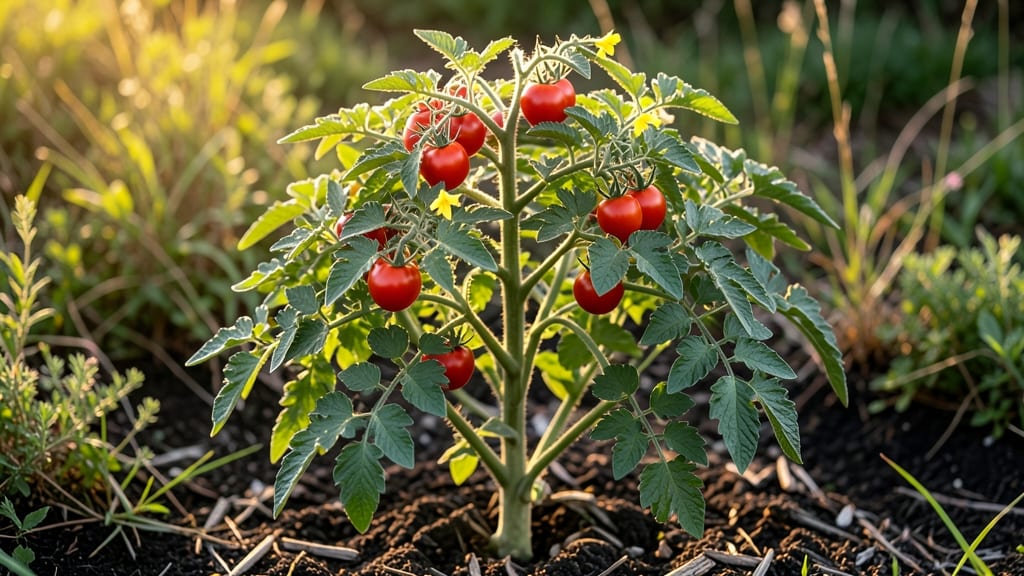
Growing Bush Goliath tomatoes in containers proves you don’t need a backyard to grow heavy fruit. ✨ These compact plants pack 10-pound tomatoes into 5-gallon pots—my first harvest last summer weighed in at 8 pounds from a single plant on my balcony.
The secret lies in matching the right container (at least 5 gallons, with drainage) to the plant’s thirsty roots and sturdy trellis support. Unlike sprawling varieties, Bush Goliath stays tidy but still needs 6-8 hours of sun daily and consistent moisture—containers dry out faster than garden beds.
By mid-summer, you’ll be harvesting glossy red orbs that outshine store-bought tomatoes. The plants stay productive for weeks, and the vertical growth saves space while keeping fruit off damp soil (fewer cracks and splits). Works for patios, rooftops, or small yards—just avoid plastic pots that overheat in summer.
Let’s get those containers planted!
📚 In This Guide
- What you need
- Instructions
- Tips and common mistakes
- Wrapping up and next steps
What you need
- ● Container: Minimum 5-gallon capacity per plant (bigger is better—7+ gallons ideal for heavy fruit production).
- ● Material: Fabric grow bags (with drainage holes), plastic (with drainage), or wooden barrels (lined with landscape fabric).
- ● Drainage holes (if not pre-drilled) + gravel or broken pottery (1–2 inches) for the bottom layer.
- ● Potting Mix: High-quality container mix (avoid garden soil—it compacts!). Look for blends with perlite, vermiculite, or coconut coir for aeration.
- ● Add compost or worm castings (10–20% by volume) for nutrients.
- ● Slow-release fertilizer (e.g., 5-10-10 or 7-9-5) mixed into the soil at planting.
- ● Bush Goliath Tomato Plant: 1–2 healthy seedlings (transplant after last frost or start from seeds indoors 6–8 weeks early).
- ● Cage or trellis: 5–6 ft tall tomato cage (or DIY trellis with bamboo stakes + twine) to support heavy fruit.
- ● Watering Supplies: Drip irrigation or soaker hose (to keep soil consistently moist without overwatering).
- ● Watering can with a long spout (for precision watering).
- ● Basic Tools: Hand trowel (for planting and soil adjustments).
- ● Pruning shears (to remove suckers and dead leaves).
- ○ Gloves (optional but recommended for handling prickly stems!).
- ● Mulch: Straw or shredded leaves (1–2 inches) to retain moisture and suppress weeds.
- ● Liquid Fertilizer: Fish emulsion or seaweed extract (every 2–3 weeks during fruiting).
- ● Mycorrhizal Fungi: Add to soil at planting to boost root health.
- ● Shade Cloth: (30–50%) for hot climates to prevent sunscald.
- ● Support Stakes: Extra bamboo stakes or wire mesh for added stability if using a DIY trellis.
Step-by-step instructions for growing Bush Goliath tomatoes in containers
Here's how to coax these compact powerhouses into producing truckloads of fruit without sacrificing your balcony space.
🪴 Step 1: Select the Right Container and Support System
Bush Goliath tomatoes need 5-gallon containers minimum—their roots crave depth for those heavy fruit loads. I use fabric grow bags because they allow roots to breathe while providing excellent drainage. Choose one with built-in handles for easy moving.
Install a sturdy cage or trellis system right when you plant. These tomatoes grow 4-5 feet tall but with a bushier habit than indeterminate varieties. A 5-foot-tall tomato cage or a freestanding trellis with 4-6 vertical supports works best. Secure it firmly—their fruit can weigh 1 pound each, and you don't want the whole structure toppling when they ripen.
🌱 Step 2: Prepare Soil and Plant with Proper Spacing
Fill your container with a mix of 60% premium potting soil, 30% compost, and 10% perlite for drainage. Bush Goliaths thrive in rich, well-draining soil with plenty of organic matter. I like to add a handful of worm castings at planting time for that extra nutrient boost.
Plant your seedling 1-2 inches deeper than it was in its nursery pot—this encourages stronger root development. Space plants 18-24 inches apart if growing multiple in one container. Water deeply immediately after planting to settle the soil around the roots and remove any air pockets.
☀️ Step 3: Provide Optimal Light and Temperature Conditions
Bush Goliaths demand full sun (6-8 hours daily), but they'll tolerate 4-6 hours if the remaining light is bright indirect. A south-facing window or grow lights positioned 6-12 inches above works well. You'll know they're getting enough light when the leaves are dark green and compact—not pale or stretched.
Maintain soil temperatures between 70-85°F for best growth. If your evenings cool below 60°F, consider moving containers to a sheltered spot or using a row cover at night. These tomatoes set fruit most efficiently when daytime temps stay above 75°F.
💧 Step 4: Water and Fertilize for Heavy Fruit Production
Water when the top 2 inches of soil feel dry—typically every 2-3 days in hot weather. Bush Goliaths are drought-tolerant once established, but their heavy fruit loads demand consistent moisture. Water at the base in the morning to prevent fungal issues from evening dampness.
Feed with a balanced liquid fertilizer (10-10-10) every 2 weeks once flowers appear. I switch to a low-nitrogen, high-phosphorus formula (5-10-10) when fruit sets to encourage stronger cell development. Stop fertilizing 4 weeks before first frost to allow flavors to concentrate.
✂️ Step 5: Prune and Support for Maximum Yield
Remove suckers (side shoots) that form in the leaf axils to maintain the bushy shape. Unlike indeterminate varieties, you don't need to prune aggressively—just keep the plant open and airy to prevent disease. Pinch off any flowers that appear before the 4th leaf set to redirect energy to the main stem.
As fruit develops, gently tie heavy clusters to the trellis supports using soft plant ties. These tomatoes produce 1-2 pound fruits, and without support, branches can snap. Harvest when fruits are fully colored but still slightly firm—they won't ripen further off the vine. A single plant can yield 20-30 pounds in a season if cared for properly.
Tips & tricks for growing Bush Goliath tomatoes in containers
These small but mighty plants pack a big punch when you get the details right—here's how to maximize your harvest.
Container Depth Matters: While the instructions specify a minimum 5-gallon container, I've found that adding a 2-3 inch layer of gravel or broken terracotta pots at the bottom creates extra drainage space. This prevents waterlogging in the root zone, which is especially important during those 6-8 hours of daily sun when evaporation rates spike. The extra depth also gives roots more room to spread out, supporting those 1-pound fruits without toppling your trellis.
Soil Mix Secret: The 60-30-10 soil mix is perfect, but here's the upgrade I use: blend in 1 cup of coarse sand per 5-gallon container to improve aeration. Bush Goliaths hate soggy feet, and this modification prevents the perlite from breaking down too quickly. I also top-dress with 1/2 cup of coconut coir every 4 weeks to maintain moisture without compacting the soil—critical during those hot afternoons when you're watering every 2-3 days.
Light Optimization: When positioning your containers for those required 6-8 hours of sun, consider using reflective surfaces like white walls or aluminum foil wrapped around the base of your containers. This can effectively increase light exposure by 10-15% without moving your plants. For indoor growers, position grow lights 8-10 inches above the plants initially, then adjust to 12 inches as they reach 3-4 feet tall to maintain proper light intensity during the 4-6 hour minimum window.
Fertilizer Timing: The switch from 10-10-10 to 5-10-10 when fruit sets is crucial, but here's the timing hack: make the switch when you see the first flower clusters appear, not when fruit is already forming. This gives your plants a phosphorus boost right when they need it for flower development. I also dilute my liquid fertilizers by half during the hottest months (when daytime temps hit 85°F) to prevent root burn—these plants are heavy feeders but can't handle fertilizer shock when stressed by heat.
Pro Tips for Growing Bush Goliath Tomato In Containers
- These small but mighty plants pack a big punch when you get the details right—here's how to maximize your harvest.
- Container Depth Matters: While the instructions specify a minimum 5-gallon container, I've found that adding a 2-3 inch layer of gravel or broken terracotta pots at the bottom creates extra drainage space.
- Soil Mix Secret: The 60-30-10 soil mix is perfect, but here's the upgrade I use: blend in 1 cup of coarse sand per 5-gallon container to improve aeration.
Frequently asked questions
Got questions about growing Bush Goliath tomatoes in containers?
You’re not alone! Here are answers to the most common ones to help you grow like a pro—even in small spaces.
How big should my container be for Bush Goliath tomatoes?
Aim for at least 12–15 gallons (think: a 5-gallon bucket is too small!). These tomatoes need room to spread roots and support those heavy fruits. A 18–20-inch diameter pot with drainage holes is ideal. If you’re short on space, opt for a fabric grow bag—they’re lightweight but sturdy for trellising.
When is the best time to plant Bush Goliath tomatoes in containers?
Wait until after the last frost when soil temps hit 55°F+ (use a soil thermometer if unsure). Start seeds 6–8 weeks indoors (under grow lights) or buy sturdy transplants. Mid-to-late spring is prime time in most zones. Pro tip: Hardening off seedlings for 7–10 days before transplanting boosts survival rates!
Can I grow Bush Goliath tomatoes in a hanging basket?
Not ideal! These tomatoes need vertical support—their vines can reach 4–5 feet and bear 1–2 lb fruits. Instead, use a large container with a trellis or cage (like a tomato tower). Hanging baskets work for cherry tomatoes, but Bush Goliaths need stability. Pair your container with a sturdy stake or A-frame trellis for best results.
What are the most common pests/diseases for container-grown Bush Goliaths?
Watch for:
- Blossom end rot: Caused by calcium deficiency or uneven watering. Fix with crushed eggshells or a calcium supplement.
- Hornworms: These green caterpillars devour leaves overnight. Handpick them or use BT (Bacillus thuringiensis) spray.
- Fungal issues (early blight): Avoid overhead watering; water at the base and ensure pots have good airflow.
Prevent problems by sterilizing containers yearly with a 10% bleach solution and rotating crops if reusing soil.
How do I know when Bush Goliath tomatoes are ripe?
Look for deep red color (or yellow if you’re growing a yellow variety) and a slightly soft, fragrant aroma near the stem. Unlike slicing tomatoes, Bush Goliaths stay firm but yield to gentle pressure. Don’t wait too long—they’re at peak flavor when fully colored! Harvest with scissors or pruners to avoid damaging the vine.
Wrapping up and next steps
Growing Bush Goliath tomatoes in containers isn’t just possible—it’s a game-changer for small spaces! With the right trellis setup, pruning strategy, and care, you’ll enjoy heavy, beefy fruit without sacrificing your patio or balcony.
Whether you’re a beginner or a seasoned gardener, this method proves that big harvests fit anywhere.
Ready to reap the rewards? Grab your supplies, follow the steps, and soon you’ll be savoring homegrown tomatoes straight from your container garden. Happy growing—and enjoy those juicy bites! 🍅✨