
Plants
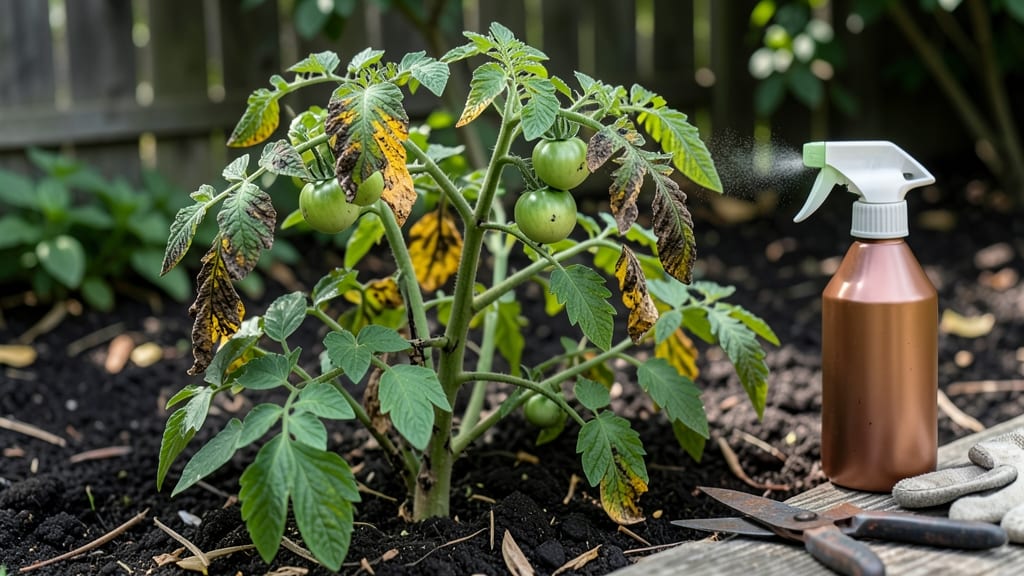
Fungal disease in tomato plants can turn a thriving vine into a sad, spotted mess in days—unless you catch it early. 🌱 I’ve seen firsthand how quickly early blight or powdery mildew can ruin a season’s work, but with the right know-how, you can stop it before it spreads.
The key is spotting the warning signs—yellowing leaves, dark spots, or fuzzy white patches—and acting fast with organic fixes like copper sprays or neem oil.
Most fungal problems start with too much moisture or poor airflow between plants. I learned the hard way that crowded tomato cages and overhead watering create the perfect conditions for spores to thrive. The good news?
Simple fixes like pruning for better airflow, watering at the base, and removing infected leaves can make a huge difference. Even my black thumb can save a plant when I act within 24-48 hours of noticing symptoms.
You’ll end up with healthier plants that produce more tomatoes with fewer blemishes. The secret isn’t complicated—it’s about consistency. A weekly check of your plants, combined with preventive sprays every 7-10 days, keeps fungal diseases at bay.
Plus, your soil stays cleaner, and you avoid the heartbreak of watching your harvest rot before picking.
This works for backyard gardens, raised beds, or even container-grown tomatoes. The same principles apply whether you’re growing cherry tomatoes or beefsteaks. Let’s get those plants back to their lush, productive best before the season slips away.
Root Causes Of Tomato Fungal Woes
Fungal diseases in tomato plants don’t appear out of thin air—they’re the result of a perfect storm of environmental and biological factors. Understanding these triggers is the first step toward prevention. Let’s break down the key culprits behind fungal outbreaks in your tomato garden.
Fungi thrive in damp conditions, and tomatoes are particularly susceptible when their leaves stay wet for prolonged periods. Here’s why moisture is a major player:
- Overnight Watering: Watering late in the day leaves foliage damp overnight, creating ideal conditions for spores to germinate. Fungi like Phytophthora and Fusarium exploit this moisture to infect plants.
- Poor Soil Drainage: Compacted or clay-heavy soil traps excess water at the roots, weakening plants and inviting fungal invaders. Root rot often starts here, spreading upward.
- High Humidity: Greenhouses, shaded areas, or dense plantings trap humidity, accelerating spore growth. Early blight (Alternaria solani) spreads rapidly in these environments.
Actionable Fix:
- Water early in the day (before 10 AM) to allow foliage to dry.
- Improve soil with compost or sand to enhance drainage.
- Space plants for airflow—aim for 18–24 inches between tomato plants.
Tomatoes are warm-season crops, and extreme or fluctuating temperatures can weaken their defenses, making them vulnerable to fungi.
- Cool, Wet Springs: Late blight (Phytophthora infestans) thrives in temperatures between 60–75°F (15–24°C) with high humidity—common in early planting seasons.
- Heat Stress: While tomatoes love warmth, excessive heat (above 90°F/32°C) can scorch leaves, creating entry points for fungi like powdery mildew (Oidium).
- Rapid Temperature Shifts: Sudden drops (e.g., from 85°F to 50°F) shock plants, reducing their ability to resist pathogens.
Actionable Fix:
- Use row covers for early planting to protect against cool, damp conditions.
- Mulch with straw to stabilize soil temperature and retain moisture without oversaturating roots.
- Choose heat-tolerant varieties (e.g., ‘Solar Fire’ or ‘Heatmaster’) if your climate swings wildly.
Healthy tomatoes fend off fungi naturally, but stress from poor care or pests opens the door to infections.
- Nutrient Deficiencies: Lack of phosphorus or potassium weakens cell walls, making plants more susceptible to early blight or septoria leaf spot.
- Physical Damage: Pruning wounds, hail, or insect bites (like hornworm feeding) create entry points for spores.
- Overcrowding: Competitive stress from overplanting reduces airflow and sunlight, prolonging leaf wetness.
Actionable Fix:
- Fertilize with a balanced 10-10-10 or tomato-specific formula mid-season.
- Prune plants regularly to remove diseased leaves and improve airflow.
- Rotate crops annually—don’t plant tomatoes (or nightshades like peppers) in the same spot yearly.
Fungal spores are everywhere—soil, air, and even old plant debris. Some are always present but only cause problems when conditions align.
- Surviving Pathogens: Spores of Verticillium wilt or Fusarium wilt can lie dormant in soil for years, reactivating when new tomato plants are introduced.
- Wind And Water Spread: Rain splashes spores from infected leaves onto healthy plants, while wind carries them over long distances.
- Contaminated Tools/Garden Beds: Pruners, trellises, or compost piles harboring infected plant material can reintroduce fungi.
Actionable Fix:
- Solarize soil in late summer (cover with clear plastic for 4–6 weeks) to kill dormant spores.
- Clean tools with 70% rubbing alcohol between uses.
- Remove and compost infected plant debris in a sealed bin (not in garden beds).
Pro Tip 💡: Monitor your garden’s microclimate—use a hygrometer to track humidity and adjust watering/spacing accordingly. Early detection (like yellowing leaves or dark spots) is your best defense!
Quick Fixes for Fungal Woes
Fungal diseases can turn your thriving tomato plants into a sad, spotted mess—but don’t panic! With the right approach, you can reverse the damage and prevent future outbreaks organically. Below, we’ve mapped common fungal culprits to practical, step-by-step solutions, plus prevention tips to keep your plants healthy long-term.
Cause: Alternaria solani thrives in warm, humid conditions, attacking older leaves first.
How to Fix It: 🔥 Remove Infected Foliage
- Snip off yellow or brown leaves (don’t compost them—trash or burn).
- Focus on lower leaves where spores spread easiest.
🍳 Copper Fungicide Spray (DIY)
- Mix 1 tsp copper sulfate + 1 gallon water + a drop of dish soap (as a sticker).
- Spray every 7–10 days at dawn to avoid leaf burn.
- Pro tip: 💡 Rotate with baking soda spray (1 tsp baking soda + 1 quart water + a few drops of soap) for extra defense.
👨🍳 Boost Plant Immunity
- Water at the base (never overhead) to keep leaves dry.
- Mulch with straw (2–3 inches) to improve airflow and reduce soil splashes.
🌡️ Prevention Checklist ✅ Crop rotation: Avoid planting tomatoes in the same spot for 3+ years. ✅ Resistant varieties: Try ‘Mountain Merit’ or ‘Defiant PhR’—they tolerate early blight better. ✅ Prune for airflow: Remove crowded branches to dry leaves faster.
Cause: Phytophthora infestans—the same fungus that caused the Irish Potato Famine—spreads via wind, water, and infected plants.
How to Fix It: 🔥 Isolate & Destroy Infected Plants
- Remove entire plants if late blight is confirmed (don’t compost!).
- Sterilize tools with 70% rubbing alcohol between gardens.
🍳 Neem Oil or Hydrogen Peroxide Spray
- Neem oil mix: 1 tbsp neem oil + 1 tsp soap + 1 quart water. Spray every 5–7 days.
- Hydrogen peroxide spray: 1 tbsp 3% H₂O₂ + 1 quart water. Reapply after rain.
👨🍳 Adjust Watering Habits
- Water in the morning so leaves dry by evening.
- Use drip irrigation instead of sprinklers to avoid wetting foliage.
⏰ Prevention: Act Fast! ✅ Monitor weather: Late blight loves cool, wet nights (50–77°F). Watch forecasts and spray preventively if rain is forecasted. ✅ Remove garden debris after harvest—fungus hides in old plant matter. ✅ Plant in raised beds for better drainage and airflow.
Cause: Oidium or Leveillula fungi spread via spores, thriving in shady, humid conditions.
How to Fix It: 🔥 Prune for Sunlight
- Thin out crowded plants to improve airflow.
- Move containers to sunnier spots if possible.
🍳 Milk Spray (Yes, Really!)
- Mix 1 part milk + 9 parts water + a dash of soap.
- Spray every 7–10 days—milk contains fungicidal proteins that stop spores in their tracks.
👨🍳 Homemade Baking Soda Remedy
- 1 tsp baking soda + 1 quart water + a few drops of soap.
- Spray early in the day to avoid leaf burn.
🌡️ Prevention Tips ✅ Space plants 18–24 inches apart for airflow. ✅ Avoid overhead watering—use soaker hoses instead. ✅ Resistant varieties: Try ‘Celebrity’ or ‘Defiant PhR’ tomatoes.
Cause: Soil-borne fungi (Verticillium dahliae or Fusarium oxysporum) clog plant vessels, cutting off water.
How to Fix It: ⚠️ No Cure—But You Can Slow It Down
- Remove infected plants immediately to stop spore spread.
- Solarize soil (cover with clear plastic for 4–6 weeks in summer) to kill fungi.
🍳 Soil Amendments for Resistance
- Add compost + mycorrhizal fungi (available at garden centers) to boost plant roots.
- Plant marigolds or garlic nearby—they suppress soil-borne pathogens.
🌡️ Prevention Is Key ✅ Rotate crops: Never plant tomatoes, peppers, or eggplants in the same spot for 4+ years. ✅ Test soil pH: Aim for 6.0–6.8—fungi thrive in acidic or alkaline extremes. ✅ Choose resistant varieties: ‘Heatmaster’ or ‘Solar Fire’ tomatoes tolerate wilt better.
Use these preventive measures year-round to keep your tomato plants fungus-free:
💡 Pro Tip: Companion planting works! Try:
- Basil (repels pests that stress plants).
- Oregano or thyme (natural antifungal properties).
- Nasturtiums (trap aphids that spread fungal spores).
🔪 Sanitize Everything
- Clean tools, pots, and trellises with bleach water (1:9 ratio) or rubbing alcohol.
- Disinfect greenhouse surfaces if you grow tomatoes indoors.
✨ Boost Plant Health
- Fertilize with compost tea (rich in beneficial microbes).
- Avoid overwatering—fungi love soggy soil!
Final Reminder: 🚨 Act fast—fungal diseases spread exponentially. The sooner you treat, the easier the fix! With these organic, practical steps, your tomato plants can bounce back—and stay healthy for a bountiful harvest. 🍅🌱
Frequently asked questions
How can I tell if my tomato plant has a fungal disease and not just regular stress?
Look for distinctive patterns: early blight shows dark concentric rings on lower leaves, while late blight creates greasy-looking brown spots that spread rapidly. Powdery mildew appears as white, powdery patches on upper leaves. Unlike stress, fungal spots often have fuzzy edges or discoloration on the leaf underside. Check leaves daily after rain—fungi spread fastest when foliage stays wet overnight.
Is it safe to compost tomato leaves with fungal spots?
Never compost infected plant material—it spreads spores back to your garden! Place diseased leaves in a sealed trash bag instead. For severe cases like late blight, burn or dispose of infected plants entirely to prevent soil contamination. Even "mature" compost piles can't kill fungal spores effectively.
Can I use the same homemade fungicide spray for all tomato fungal diseases?
Most organic sprays (copper, neem, or baking soda) work against early blight and powdery mildew, but late blight requires more aggressive treatment. For stubborn cases, alternate between neem oil (every 5 days) and hydrogen peroxide spray (1 tbsp 3% H₂O₂ per quart water). Always test sprays on a small leaf first—some plants react differently.
How long does it take for homemade fungicide sprays to show results?
You'll typically see improvement within 7-10 days of consistent spraying, but severe infections may take 2-3 weeks to fully resolve. For best results, apply sprays preventively every 7-10 days during humid weather, not just when you spot symptoms. Early intervention is key—once spores spread to new leaves, the disease becomes harder to control.
Will my homegrown tomatoes still be safe to eat if they have fungal spots?
Most fungal diseases only affect leaves and stems—your tomatoes are still safe to harvest and eat! Simply wash fruits thoroughly before eating. The only exception is late blight, which can infect fruit (look for dark, sunken spots). When in doubt, peel tomatoes from infected plants or cook them thoroughly to kill any potential spores.