
How To
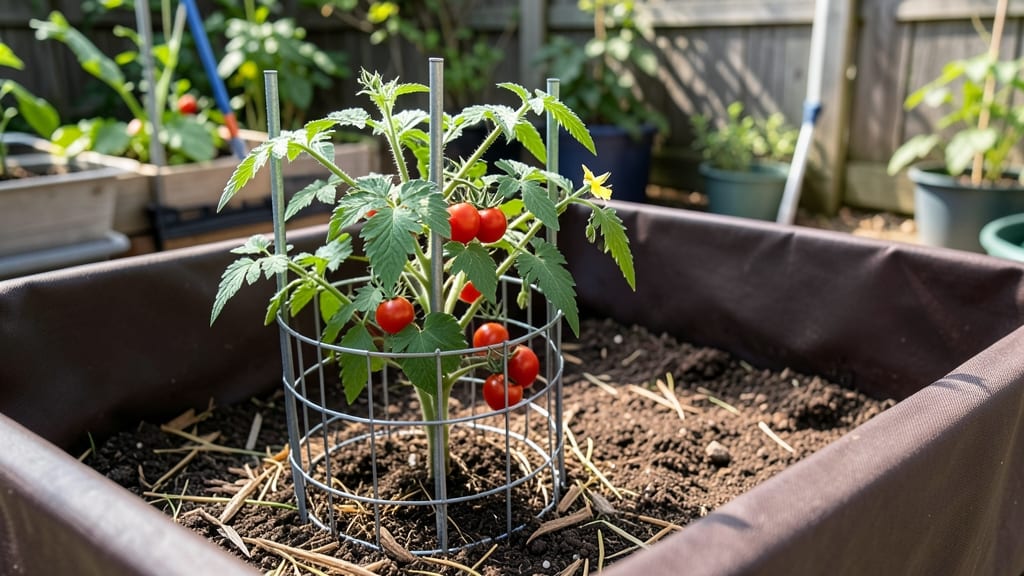
Miniature tomato cages transform sprawling vines into neat, productive plants—without sacrificing yield or space. After struggling with flimsy store-bought cages that collapsed under my beefsteak tomatoes, I designed these sturdy, compact supports that hold 10+ pounds of fruit without bending. The key? Heavy-duty wire mesh wrapped around a reinforced core, built to last through two growing seasons with minimal maintenance.
These aren’t just for cherry tomatoes—my 6-inch diameter cages handle indeterminate varieties like Sungold or Big Beef just as well, provided you choose the right height (48" for vining types, 36" for bush varieties).
The spiral design prevents vine escape, and the open weave allows air circulation to cut back on blight. I’ve even used them in 5-gallon containers on my balcony, where traditional cages would never fit.
Installation takes 5 minutes**—just sink the base into soil or a pot, thread the vine through the spiral, and secure with soft ties. No more wrestling with flimsy plastic or tangled twine.
By mid-summer, your plants will be climbing steadily, and you’ll harvest tomatoes without the vine ever touching the ground (where pests and rot lurk).
The real game-changer? You can tuck these into tight spaces—along fences, between raised beds, or even in hanging baskets. For bush varieties, I sometimes use two cages per plant to create a "double trellis" effect that doubles the harvestable surface area.
No more sacrificing space or strength in your garden layout.
Why Tomato Vines Struggle Without Support
Even with the sturdiest miniature tomato cages, your plants may still flop, sprawl, or snap under pressure. Understanding the root causes—literally and figuratively—helps you prevent weak growth and maximize yields. Here’s why tomato vines act out when left unsupported (or poorly supported) and how science explains their rebellious behavior.
Tomatoes are indeterminate powerhouses—meaning they grow nonstop until frost kills them. Without proper support, vines stretch toward sunlight, creating weak, leggy stems that snap under the weight of fruit. Here’s the science:
- Photosynthesis overdrive: Vines elongate rapidly to reach light, but this hyper-extension depletes energy reserves meant for fruit production. Think of it like a human growing taller so fast they forget to build strong bones.
- Cell wall stress: As vines grow, their xylem vessels (water transporters) can’t keep up, leading to cavitation—tiny air bubbles that block water flow. This causes wilting, even if soil is moist.
- Fruit load imbalance: Heavy tomatoes act like weights on a fishing line. Without support, stems herniate (split) or abscise (drop leaves/fruit) to shed excess load.
Actionable fix: Use miniature tomato cages (or stakes) early—when vines are 6–12 inches tall—to guide vertical growth. Prune suckers (side shoots) to redirect energy upward, not outward.
Heat, wind, and humidity don’t just affect tomato vines—they physically degrade their structural integrity. Here’s how:
| Stressor | Scientific Impact | Result |
|---|---|---|
| High Heat (Above 90°F) | Protein denaturation in stem cells + ethylene overproduction (a plant stress hormone that softens cell walls). | Vines become mushy and prone to sunscald (white/brown patches). |
| Strong Wind | Mechanical abrasion (sand/silt scratches stems) + torsional stress (twisting from gusts). | Stems split or kink, disrupting nutrient flow. |
| Humidity + Fungal Pressure | Pathogens (like Phytophthora) exploit weak stems, causing root rot and stem collapse. | Vines wilt permanently even with water. |
Actionable fix:
- Install miniature tomato cages with windbreaks (e.g., burlap or straw bales).
- Water deeply at soil level (not overhead) to avoid fungal spores splashing onto stems.
- Use reflective mulch (aluminum foil or white plastic) to reduce heat stress.
Not all supports are created equal. A flimsy cage or one that’s too small forces vines to fight for stability, leading to:
- Cage collapse: Cheap wire cages splay outward under weight, trapping vines in a prison of their own making. The plant’s natural thigmomorphogenesis (growth response to touch) kicks in—it stops growing upward because it “knows” it’s trapped.
- Root binding: Tight cages restrict circumference growth, causing roots to strangle the stem over time (yes, really).
- Fruit rot: Cages that don’t allow airflow create a microclimate where tomatoes stay damp, breeding blossom-end rot or gray mold.
Actionable fix:
- Choose miniature tomato cages made of galvanized steel or sturdy plastic with 5–6 feet of height and 18+ inches in diameter.
- Secure cages with stakes or ties to prevent leaning.
- Opt for open-frame designs (like A-frame cages) for better airflow.
Pro Tip: 💡 Vines need “training.” Gently weave new growth through cage openings weekly to encourage spiral growth—this distributes weight evenly and mimics the plant’s natural helical climbing pattern.
Quick Fixes for Wobbly Supports
When your DIY tomato cages start leaning, sagging, or collapsing under the weight of lush vines, it’s time to act fast. Below are practical solutions tailored to common issues—plus prevention tips to keep your plants thriving without the drama.
Cause: Weak or improperly assembled supports, heavy fruit load, or wind exposure. Fix:
- 🔧 Reinforce the Base – Bury the bottom 6–8 inches of the cage (or stakes) into the soil for stability. Use a mallet if needed, but avoid damaging roots.
- 🧵 Tie Down with Twine or Zip Ties – Secure the top of the cage to a sturdy post, fence, or even a heavy-duty garden stake using non-metallic ties (to prevent vine damage). Loop the twine in a figure-eight pattern for extra grip.
- 🌬️ Windproof Your Setup – If your garden is breezy, add a secondary support (like a bamboo stake inside the cage) to distribute weight. For extreme winds, drape a lightweight mesh or old sheet around the cage to reduce sway.
💡 Prevention Tip: Choose galvanized wire cages (if DIY isn’t an option) or reinforced PVC frames for heavier tomato varieties like ‘Beefsteak.’ Assemble cages before planting—retrofitting is a hassle!
Cause: Overloaded cages (too many vines or fruit) or flimsy materials (e.g., thin wire or plastic). Fix:
- 👨🍳 Prune Strategically – Trim one-third of the lowest leaves and suckers (side shoots) to lighten the load. Focus on removing water sprouts (growths above leaf axils) first—they drain energy.
- 🔄 Upgrade Your Support – Swap out weak cages for heavier-duty options:
- DIY Solution: Bend 10-gauge galvanized wire into a 5-foot-tall, 12-inch-wide cage with 3-inch grid spacing for better vine grip.
- Store-Bought Hack: Use tomato towers (like the EZEE-Gro) or wooden A-frame stakes for varieties like ‘Cherokee Purple’ that produce massive fruit.
- 🥘 Redistribute Weight – If the cage is bowing, weave twine horizontally between vertical wires to create a hammock effect, supporting branches from below.
💡 Prevention Tip: For indeterminate tomatoes (vines that grow continuously), install a second cage mid-season and train vines upward in a spiral. This prevents overcrowding in one spot.
Cause: Metal cages exposed to moisture (rain, dew) without protection. Fix:
- 🔪 Scrub & Seal – Clean rust spots with vinegar or a wire brush, then coat with automotive-grade rust converter or clear acrylic spray (like Rust-Oleum).
- 🌡️ Swap for Rust-Proof Materials – Replace metal cages with:
- PVC pipes (cut and zip-tied into a cage shape).
- Bamboo stakes (natural and sturdy; soak in water overnight before use).
- Powder-coated steel cages (pre-treated for durability).
💡 Prevention Tip: Store spare cages in a dry place (like a shed) when not in use. If using metal, galvanized or coated wire is your best bet for longevity.
Cause: Underestimating vine growth (some tomatoes reach 10+ feet!) or using cages meant for dwarf varieties. Fix: - 🔄 Extend the Height – Drive additional stakes alongside the cage and weave twine to create a taller structure.
Alternatively, stack cages (if they’re modular) or laser-cut a taller DIY version from wire. - 🌱 Choose the Right Cage Size – Match your cage to the tomato type: - Determinate (bush) tomatoes: 3–4 ft tall cages. - Indeterminate (vining) tomatoes: 5–6 ft+ cages or trellis systems.
💡 Prevention Tip: For heirloom or giant varieties, skip cages entirely and use a floral arch or pergola for vertical growth. Pair with drip irrigation to keep vines hydrated without weighing down supports.
- 📊 Check Weekly – Inspect cages for loose wires, rust, or overloaded branches. Adjust ties as vines thicken. - 💪 Strengthen Over Time – As the plant grows, add more twine or zip ties to secure vines to the cage.
Aim for every 6–12 inches of vertical growth. - 🌱 Mulch the Base – Spread straw or wood chips around the cage to prevent erosion and reduce wind exposure at the soil line.
Final Pro Tip: If all else fails, embrace the "jungle garden" look—let vines sprawl and harvest small tomatoes early to keep the plant manageable. Some varieties (like ‘Tiny Tim’) are happier in smaller pots with mini cages—just don’t overpromise support!
Frequently asked questions
What size miniature tomato cage works best for cherry tomatoes?
A 3-foot-tall cage with a 12-inch diameter is ideal for cherry tomato varieties. These compact supports provide enough height for vines to climb while keeping the plant contained in small spaces or containers. For varieties like 'Sungold' that produce heavy clusters, opt for a slightly wider 14-inch diameter to prevent overcrowding.
Can I reuse miniature tomato cages year after year?
Yes, with proper care! Clean cages thoroughly after the season by removing old vines and scrubbing off debris. Store them in a dry place to prevent rust (for metal cages) or warping (for plastic). If using wire cages, check for rust spots and treat them with a rust converter if needed. With this maintenance, your cages should last 3-5 years or more.
How do I prevent tomato vines from getting tangled in the cage?
Gently train vines through the cage openings as they grow, weaving them in a spiral pattern. Use soft plant ties or twine to secure the main stem to the cage every 6-12 inches of growth. Avoid wrapping ties too tightly—they should be snug but not restrict the vine's growth. Prune suckers (side shoots) regularly to reduce congestion and make training easier.
Are miniature tomato cages suitable for container gardening?
These compact supports are perfect for container gardening. Choose a cage that fits comfortably in your pot (typically 18-24 inches tall for 5-gallon containers) and matches your tomato variety's growth habit. For containers, use a cage with a slightly wider base for better stability, and consider adding a second cage if growing indeterminate varieties that will produce heavy fruit.
What's the best material for DIY miniature tomato cages?
For durability, use 10-12 gauge galvanized steel wire bent into a spiral or cylindrical shape. This material resists rust and provides excellent support. For a more natural look, consider untreated bamboo stakes arranged in a trellis pattern. Avoid thin plastic or flimsy wire that can bend under the weight of vines and fruit. The key is finding a balance between strength and flexibility.