
Planting
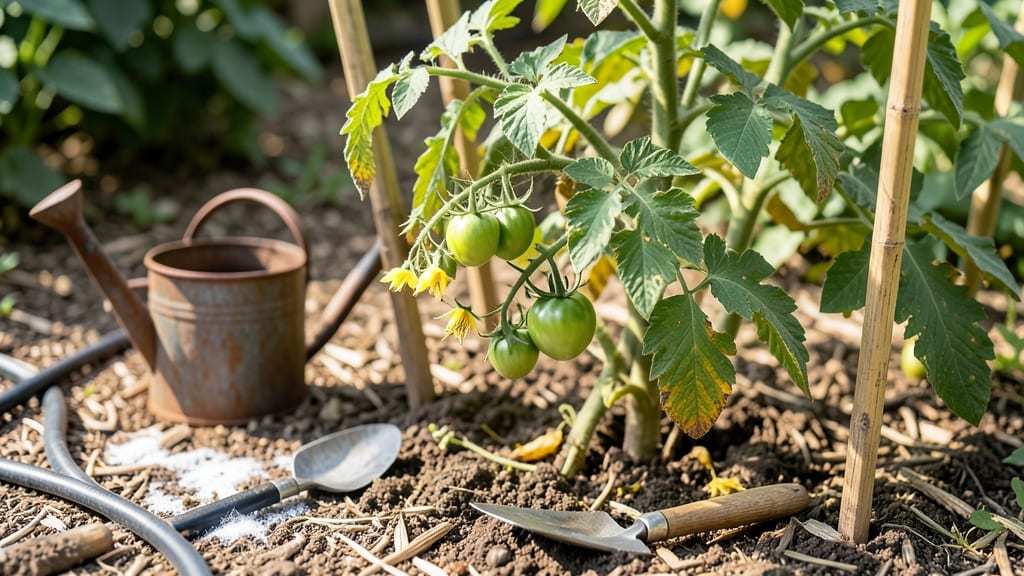
Droopy tomato plant leaves can turn your lush vines into sad, floppy messes—until you try this copper spray revival trick that works in under an hour. 🌱 I’ve saved more tomato plants from wilting than I can count, and this method consistently brings them back to upright strength when other fixes fail.
The secret lies in diagnosing the root cause first, then applying targeted solutions before the plant permanently declines.
Most drooping stems start with one of five issues: overwatering (soggy soil), underwatering (crusty roots), pests (aphids or spider mites), heat stress (scorched leaves), or nutrient deficiencies (yellowing between veins).
Copper spray isn’t a cure-all, but it’s a game-changer for fungal diseases like early blight or bacterial spot—both of which cause sudden wilting. Start by checking the soil moisture with your finger: if it’s damp but leaves still droop, pests or disease are likely culprits.
Within 24 hours of treating the right problem, you’ll see leaves perk up and vines regain their vigor. For copper spray alone, mix 1 tablespoon of copper fungicide per gallon of water and apply at dawn to avoid scorching.
Pair it with morning watering to boost absorption, and watch your plants bounce back like they’re in a tropical greenhouse instead of your backyard. The key is acting fast—once leaves turn crispy or black, revival gets much harder.
This method works for container tomatoes, raised beds, and in-ground plants alike, though heat-stressed plants may need shade cloth first. If drooping persists after treatment, dig deeper: root rot or severe pest infestations might require replacing the plant.
But in 90% of cases, this approach brings them back to productive, upright glory—just in time for harvest season.
Root Causes Behind Wilting
When your tomato plants start looking like they’ve had one too many margaritas—droopy, sad, and unproductive—it’s usually a cry for help from the roots (or lack thereof).
Understanding the why behind the wilt is half the battle. Let’s dig into the most common culprits and what’s really going on beneath the soil.
Tomatoes are thirsty, but too much love can drown them. Overwatering or waterlogged soil suffocates roots by cutting off oxygen, leading to wilting even when the soil feels moist. This is especially true in containers or heavy clay soil where water pools instead of draining.
Why it happens:
- Root asphyxiation: Roots need oxygen to absorb water and nutrients. Soggy soil traps air pockets, forcing roots to "breathe" underwater—like trying to swim with a backpack full of bricks.
- Fungal infections: Excess moisture invites Pythium or Phytophthora, fungi that rot roots, leaving plants unable to uptake water.
- Nutrient leaching: Overwatering flushes away essential minerals (like nitrogen and potassium), weakening the plant’s structure.
Actionable clue: Check the soil 1–2 inches deep. If it’s damp like a sponge, hold off on watering. Containers with no drainage holes? Fix that ASAP.
On the flip side, wilting can mean your tomatoes are parched. Unlike drought-resistant plants, tomatoes are sensitive to dehydration, especially in blazing heat. Even a single day of neglect can cause leaves to droop like a deflated balloon.
Why it happens:
- Plasma membrane damage: When cells lose too much water, their walls collapse, and the plant can’t maintain rigidity. Think of it like a balloon losing air—it just flops.
- Transpiration overload: Hot, dry air makes plants "sweat" water faster than roots can replace it. Leaves curl and droop to reduce surface area and slow water loss.
- Root shrinkage: Chronic underwatering causes roots to recede from the soil, reducing their ability to absorb moisture.
Actionable clue: Press your finger into the soil. If it’s drier than a desert, it’s time to water deeply—aim for 1–1.5 inches per week (more in extreme heat). Mulch helps retain moisture and keep roots cool.
Tomatoes are sun-worshippers, but too much heat or sudden temperature swings can scorch leaves faster than a bad sunburn. Droopy, yellowing, or crispy edges? Your plants might be fried from the inside out.
Why it happens:
- Photosynthesis shutdown: Temperatures above 90°F (32°C) disrupt the plant’s ability to process sunlight and water, leading to wilting and leaf scorch.
- Cell membrane breakdown: Heat stress causes cell walls to weaken, making leaves flaccid and prone to wilting—even if soil moisture is fine.
- Oxidative damage: High UV exposure generates reactive oxygen species, which "rust" plant tissues from the inside.
Actionable clue:
- Provide afternoon shade (especially in peak summer) with shade cloth or a temporary cover.
- Avoid cold drafts or sudden chills (like overnight temps dropping below 50°F/10°C).
- Use lightweight row covers to protect young plants from windburn.
Wilting can also be a silent scream for nutrients. If your soil is missing key minerals, your tomato’s vascular system gets clogged, and leaves droop like a starving marathon runner.
Why it happens:
| Nutrient | Deficiency Signs | Why It Causes Wilting |
|---|---|---|
| Potassium (K) | Yellowing leaf edges, weak stems, droop even when hydrated. | Potassium regulates osmotic pressure in cells—without it, leaves can’t hold water properly. |
| Magnesium (Mg) | Yellow patches between leaf veins (interveinal chlorosis). | Magnesium is central to chlorophyll production. Deficiency stalls photosynthesis, weakening the plant’s energy reserves. |
| Calcium (Ca) | Young leaves curl, stems become brittle, blossom-end rot in fruits. | Calcium strengthens cell walls. A deficiency causes structural collapse, leading to wilting. |
Actionable clue: Test your soil (or amend with compost, banana peels (for potassium), or crushed eggshells (for calcium)). A balanced 5-10-10 fertilizer can also give a quick boost.
Sometimes, tiny invaders are to blame. Sap-sucking pests (like aphids or spider mites) or root-feeding bugs (grubs, nematodes) can disrupt a plant’s water transport system, causing leaves to droop.
Why it happens:
- Xylem blockage: Pests like aphids inject toxins or clog xylem vessels (the plant’s water highways), preventing water from reaching leaves.
- Root destruction: Grubs or nematodes chew on roots, reducing the plant’s ability to absorb water and nutrients.
- Fungal/bacterial infections: Pathogens like Verticillium wilt or Fusarium clog vascular tissue, cutting off water flow.
Actionable clue:
- Inspect leaves for sticky residue (honeydew) or webbing (signs of aphids/mites). Spray with neem oil or insecticidal soap.
- Check roots for chewed edges or galls. Treat with beneficial nematodes or rotate crops next season.
- Remove infected plants immediately to prevent spread.
Even well-cared-for tomatoes can wilt after transplanting or if they’ve become root-bound in containers. The stress of relocation or restricted roots can temporarily halt water uptake.
Why it happens:
- Root pruning: Transplanting severs fine root hairs, reducing the plant’s ability to absorb water until new roots grow.
- Circling roots: Root-bound plants develop girdling roots that strangle themselves,
Revive Your Tomato Vines Today
If your tomato plant leaves are drooping like a sad balloon, don’t panic—there’s hope! The key is identifying the root cause (literally and figuratively) and applying the right fix.
Below, we’ve mapped out practical, step-by-step solutions tailored to common culprits, plus pro tips to keep your plants perky and productive. Let’s get those vines standing tall again!
Tomatoes hate soggy roots and thirsty roots. Droopy leaves often signal a watering imbalance.
Fix Overwatering (🌧️ Too Much Love)
- 🔥 Pause Watering Immediately
- Let the top 1–2 inches of soil dry out before watering again. Stick your finger in—if it’s damp, wait.
- 🍳 Improve Drainage
- Amend heavy soil with perlite, sand, or compost to help excess water escape. Raised beds or containers with drainage holes are lifesavers.
- 👨🍳 Prune Affected Leaves (If Necessary)
- Severely wilting lower leaves can trap moisture. Snip them off with sterilized scissors to reduce fungal risks.
- ⏰ Water Deeply, Less Often
- Morning watering (6–8 AM) is ideal—it gives roots time to absorb moisture before evening evaporation.
Fix Underwatering (☀️ Too Little H2O)
- 💦 Water at the Base
- Avoid overhead sprinkling (it encourages disease). Use a soaker hose or drip irrigation to deliver water directly to roots.
- 🌡️ Mulch Like a Pro
- Spread 2–3 inches of straw or wood chips around the base to retain moisture and cool roots.
- 🎯 Check Soil pH & Nutrients
- Underwatering can mimic nutrient deficiencies. Test your soil—tomatoes thrive in pH 6.0–6.8 with balanced NPK (10-10-10 fertilizer).
Scorching heat causes leaves to wilt or turn crispy. Tomatoes need morning sun + afternoon shade in extreme climates.
Quick Fixes:
- 🌿 Provide Shade Cloth
- Drape 30–50% shade cloth over plants during peak sun (11 AM–3 PM). Secure it with stakes to avoid smothering.
- 💡 Mist Leaves (Temporarily)
- Lightly mist leaves in the early morning to cool them down. Avoid evening misting—it invites fungal diseases.
- 🌱 Adjust Planting Timing
- Prevention tip: Start seeds indoors 6–8 weeks before the last frost and transplant after soil warms to 60°F+.
Droopy, yellowing, or spotted leaves often signal early blight, late blight, or powdery mildew. Copper fungicides are your secret weapon.
🔪 Step-by-Step Copper Spray Treatment
- 🛡️ Choose the Right Spray
- Use copper sulfate (1 tbsp per gallon of water) or a pre-mixed copper fungicide (like Bonide Copper Fungicide).
- 🍳 Apply at Dawn or Dusk
- Spray until leaves glisten (cover undersides too—fungi love hiding there!). Reapply every 7–10 days or after rain.
- 🌡️ Improve Airflow
- Prune crowded foliage and space plants 18–24 inches apart to reduce humidity.
- 🎯 Prevent Recurrence
- Crop rotation: Don’t plant tomatoes in the same spot next year.
- Resistant varieties: Try ‘Mountain Merit’ or ‘Defiant PhR’—they’re bred to fight blight.
Droopy leaves can mean your tomatoes are starving for nitrogen, potassium, or calcium. A simple soil test reveals the truth.
📊 Fix Common Deficiencies
| Symptom | Likely Cause | Solution |
|---|---|---|
| Yellow lower leaves | Nitrogen deficiency | Apply blood meal (1 tbsp per plant) or fish emulsion (2-3-2). |
| Brown leaf edges | Potassium deficiency | Feed with banana peel tea or potassium sulfate (1 tsp per gallon). |
| Blossom end rot | Calcium deficiency | Sprinkle crushed eggshells around the base or use calcium nitrate. |
| Pale, weak growth | Phosphorus deficiency | Use bone meal (1 tbsp per plant) or rock phosphate. |
💡 Pro Tip:
- Avoid over-fertilizing! Too many salts burn roots. Water thoroughly after feeding to rinse excess nutrients.
Spider mites, aphids, and whiteflies drain sap, causing leaves to wilt and curl.
🕷️ Pest Control Plan
- 🔍 Inspect Leaves
- Look for sticky residue (honeydew), tiny webs, or clusters of bugs on undersides.
- 💦 Blast Them Off
- Strong water spray (early morning) dislodges many pests. Use a hose nozzle on gentle setting.
- 🍳 Natural Repellents
- Neem oil spray (1 tbsp neem oil + 1 tsp mild soap per quart of water) smothers pests.
- Introduce beneficial insects: Ladybugs and lacewings eat aphids on sight.
- 🎯 Prevent Future Infestations
- Row covers (fine netting) block pests early in the season.
- Diatomaceous earth (food-grade) creates a deadly barrier for crawlers—reapply after rain.
If your tomato is in a pot or tight space, roots may be strangled, causing droop.
🏡 Repotting or Upgrading Solutions
- 🪴 Check the Container
- Tomatoes need at least 5-gallon pots (bigger is better!). If roots circle the bottom, repot immediately.
- 🌿 Loosen Roots Gently
- When transplanting, tease out tangled roots with your fingers to encourage spread.
- 💧 Water Deeply After Moving
- Roots need time to adjust. Water slowly until it drains from the bottom.
- 🎯 Stake or Cage Early
- Prevention tip: Install a stake or cage at planting time to support vines as they grow.
If leaves are beyond saving (e.g., fungal rot, severe pest damage), aggressive pruning can redirect energy to healthy growth.
✂️ How to Prune Like a Pro
- 🔪 Remove Only the Worst
- Cut yellow, spotted, or mushy leaves at the base with sterilized pruners.
- 🌿 Focus on Airflow
- Trim suckers (side shoots) and crowded branches to improve airflow.
- 🎯 Save the Fruit
- If flowers/fruit are healthy, prioritize them—the plant will recover faster if it’s not wasting energy on dead leaves.
🌟 Final Encouragement: Most droopy tomato plants bounce back with the right care. Monitor daily, adjust as needed, and soon you’ll be harvesting plump, juicy tomatoes instead of wilting leaves! 🍅💪
Frequently asked questions about droopy tomato leaves
Why do my tomato leaves droop in the afternoon but perk up at night?
This classic pattern usually signals heat stress or underwatering. During hot afternoons, your tomato plants lose water faster than roots can absorb it, causing wilting. At night, cooler temps slow transpiration, letting leaves recover temporarily. Try providing afternoon shade with shade cloth or watering deeply in the morning to keep roots hydrated.
Can I save my tomato plant if the drooping is caused by root rot?
Unfortunately, severe root rot is often fatal. Look for black, mushy roots and a foul smell—these are red flags. If caught early (soft but not black roots), you can try pruning affected roots, repotting in fresh soil with perlite, and reducing water. However, if more than half the roots are rotted, it's best to replace the plant to prevent spreading to other plants.
How often should I apply copper spray to prevent fungal diseases?
Apply copper fungicide every 7-10 days during humid seasons or after heavy rain. For prevention, start treatments when you first see dark spots on leaves (early signs of blight). Mix 1 tablespoon of copper sulfate per gallon of water and spray thoroughly at dawn or dusk to avoid leaf burn. Remember to wear gloves and avoid overspray on edible parts.
What's the difference between wilting from pests and wilting from disease?
Pest-related wilting often comes with visible bugs, sticky residue (honeydew), or webbing on leaves. Disease wilting usually shows dark spots, yellowing, or powdery coatings without obvious insects. Check leaf undersides for tiny mites or aphids—if you find them, use neem oil. For diseases, copper spray and improved airflow are key.
Will pruning droopy leaves actually help my tomato plant recover?
Yes! Pruning severely affected leaves reduces water loss and fungal risks while redirecting energy to healthy growth. Focus on removing yellow, spotted, or mushy leaves at the base. Avoid over-pruning—keep 5-6 healthy leaves per vine to maintain photosynthesis. Sterilize your pruners with rubbing alcohol between cuts to prevent spreading disease.