
Companion Plants
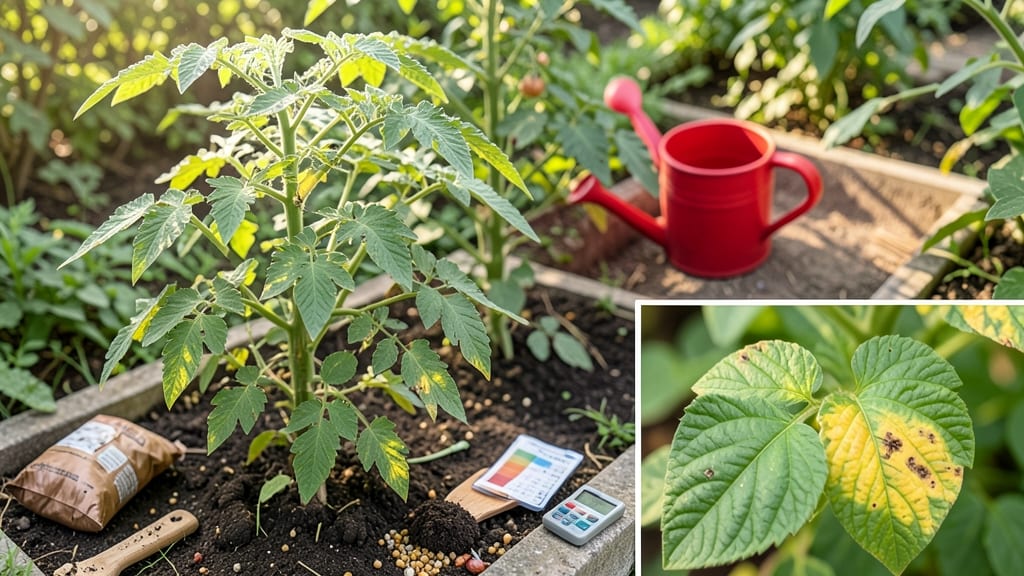
What makes tomato plants turn yellow is usually a clear SOS from your plants—often before you even spot the damage. 🌱 I’ve seen this happen after heavy rains, overzealous watering, or even just a nutrient imbalance, and the good news is most fixes take less than an hour to start.
The first step is checking the bottom leaves—if they’re yellowing first, it’s likely overwatering or poor drainage. But if the yellow spreads upward or appears between veins, you’re probably dealing with nutrient deficiencies (like nitrogen or magnesium) or early blight, a common fungal issue.
Pests like spider mites can also cause yellowing, especially if the leaves look speckled or crispy. Once you pinpoint the cause, the fixes are straightforward: adjust watering, add compost or Epsom salt for magnesium, or prune infected leaves for blight.
The key is acting fast—yellowing leaves won’t turn green again, but stopping the spread keeps your plants productive for weeks longer. This guide breaks down the 5 most common causes, how to diagnose them, and the fastest fixes—no guesswork, just results.
Let’s get those tomatoes back to their vibrant best!
Root Causes Behind Yellowing Tomatoes
When your once-vibrant tomato plants start showing yellow leaves or stems, it’s usually a cry for help from the plant itself. Understanding the why behind the discoloration is the first step to saving your harvest.
Below, we break down the most common culprits—each with a clear scientific explanation and actionable insights to diagnose the issue fast.
Tomatoes are thirsty plants, but too much water—especially without proper drainage—can suffocate their roots. When soil stays soggy for days, roots struggle to absorb oxygen, leading to anaerobic conditions. This triggers a cascade of stress responses, including:
- Chlorosis (yellowing): The plant can’t transport chlorophyll properly, causing leaves to turn pale or yellow, often starting at the bottom of the plant.
- Root rot: Fungal pathogens like Phytophthora thrive in waterlogged soil, rotting roots and cutting off nutrient flow.
- Nutrient leaching: Excess water washes away essential minerals (like nitrogen and potassium), starving the plant even further.
How to spot it: Check the soil 1–2 inches down—if it’s damp for more than 48 hours, you’re overwatering. Yellowing paired with mushy stems or a foul odor confirms root rot.
💡 Pro Tip: Use the "finger test": Stick your finger in the soil. If it’s dry up to your first knuckle, water deeply but only when the top 1–2 inches are dry. Raise beds or add compost to improve drainage.
While overwatering drowns roots, chronic underwatering or intense heat can scorch leaves and trigger yellowing too. Tomatoes need consistent moisture—especially during fruiting—to maintain turgor pressure (the "plumpness" of cells). When stressed:
- Leaf scorch: Edges of leaves turn crispy and yellow due to osmotic stress (water loss from cells).
- Wilting + yellowing: The plant conserves water by shedding chlorophyll in older leaves first.
- Blossom-end rot (indirectly): Heat stress disrupts calcium uptake, leading to black spots on tomatoes—a classic sign of calcium deficiency.
How to spot it: Soil feels bone-dry, leaves are dull and brittle, or yellowing occurs in hot afternoons with no rain.
🌡️ Quick Fix:
- Water deeply 1–2 times per week (early morning) to encourage deep root growth.
- Use mulch (straw or grass clippings) to retain moisture and cool roots.
- Provide afternoon shade with shade cloth (30–50%) during heatwaves.
Yellowing often signals a mineral imbalance. Different deficiencies target specific parts of the plant:
| Deficiency | Where It Shows | Why It Happens | Fix It With |
|---|---|---|---|
| Nitrogen (N) | Older leaves turn pale yellow (uniformly), stems get weak. | Nitrogen is mobile in plants—when scarce, it’s "stolen" from older leaves to feed new growth. | Blood meal or compost tea (apply at base of plant). |
| Magnesium (Mg) | Yellow veins with green patches (interveinal chlorosis), often on older leaves. | Magnesium is a key part of chlorophyll. Poor soil structure or high potassium levels block uptake. | Epsom salt (1 tbsp/gallon of water, foliar spray or soil drench). |
| Iron (Fe) | Young leaves turn yellow-white (no green veins), new growth stunted. | Iron is immobile in plants. Alkaline soil (pH >7.0) locks it out, even if it’s present. | Lower pH with sulfur or use chelated iron supplements. |
🔍 Test Your Soil: Use a DIY pH kit (ideal range: 6.0–6.8 for tomatoes). Amend with compost or worm castings for a slow-release nutrient boost.
Hidden invaders can drain nutrients or block water uptake, forcing leaves to yellow as a survival tactic. Common culprits:
- Aphids/Spider Mites: These sap-suckers inject toxins that cause yellow stippling (tiny yellow dots) and curled leaves. They thrive in dry, dusty conditions.
- Root-Knot Nematodes: Microscopic worms burrow into roots, creating galls that strangle nutrient flow. Yellowing starts at the bottom and spreads upward.
- Fungal Leaf Spot (Early Blight): Brown/yellow spots with concentric rings appear on lower leaves first. Fungi like Alternaria spread in humid, stagnant air.
- Verticillium/Wilt: Yellowing paired with sudden wilting (even with water) and crispy leaves. Soil-borne fungi clog the plant’s xylem vessels.
How to spot it:
- Check undersides of leaves for pests or webbing.
- Gently pull a plant to inspect roots for galls or rot.
- Look for spots with yellow halos (fungal) or stunted growth.
🛡️ Act Fast:
- Pests: Spray with neem oil or introduce ladybugs.
- Nematodes: Solarize soil (cover with clear plastic for 4–6 weeks) or plant marigolds as a trap crop.
- Fungi: Remove infected leaves, space plants for airflow, and apply copper fungicide.
Even healthy tomato plants can yellow if they’re suddenly uprooted or exposed to extreme conditions. Causes include:
- Root damage: Transplanting without a root ball
Fixing Yellow Tomato Leaves Fast
Now that you know why your tomato plants are turning yellow, it’s time to take action! The good news is that most causes have simple, effective fixes—whether it’s adjusting water habits, improving soil health, or tackling pests.
Below, we’ll break down practical solutions for each common cause, plus prevention tips to keep your plants lush and productive.
Signs: Yellowing leaves (especially lower ones), soggy soil, wilting despite watering.
How to Fix It:
- 🔥 Stop watering immediately if the soil is waterlogged. Let it dry out before watering again.
- 🍳 Improve drainage by amending the soil with compost, perlite, or sand (1 part amendment to 3 parts soil).
- 👨🍳 Elevate containers if using pots—add feet or place them on a tray to prevent water pooling.
- ⏰ Water deeply but less often—aim for 1–1.5 inches per week, checking soil moisture with your finger (top 1–2 inches should be dry before watering).
Prevention Tips: ✨ Use raised beds or containers with drainage holes. 🌡️ Mulch around plants (straw or shredded leaves) to retain moisture without over-saturating soil. 🎯 Avoid watering at night—wet foliage encourages fungal diseases.
Signs: Crispy, yellowing edges, wilting, dry soil.
How to Fix It:
- 💦 Water thoroughly at the base—aim for 6–8 inches deep per watering session.
- 🥘 Use drip irrigation or soaker hoses to deliver water slowly and directly to roots.
- 🌿 Provide afternoon shade (use shade cloth) if temperatures exceed 90°F (32°C).
- 🔪 Prune lower leaves to reduce water loss through transpiration.
Prevention Tips: 💡 Monitor soil moisture—stick your finger in the soil; if it’s dry past 1 inch, water. 🔥 Mulch heavily to lock in moisture and cool roots. ✨ Choose heat-tolerant varieties like ‘Solar Fire’ or ‘Heatmaster’ if you live in a hot climate.
Signs: Yellow spots with brown edges, black mold on leaves, wilting.
How to Fix It:
- 🔪 Remove infected leaves immediately and dispose of them in the trash (not compost).
- 🍳 Apply a fungicide—use copper fungicide, neem oil, or baking soda spray (1 tsp baking soda + 1 quart water + a drop of dish soap).
- 🌿 Improve air circulation by spacing plants 18–24 inches apart and pruning crowded foliage.
- ⏰ Water at the base only—avoid overhead watering, especially in the evening.
Prevention Tips: 💡 Rotate crops—don’t plant tomatoes in the same spot yearly. 🌡️ Plant disease-resistant varieties like ‘Celebrity’ or ‘Mountain Merit’. ✨ Solarize soil in late summer (cover with clear plastic for 4–6 weeks) to kill fungal spores.
Signs: Yellowing leaves with holes, chewed edges, tiny bugs (aphids, spider mites).
How to Fix It:
- 🔥 Blast pests off with water—use a strong spray nozzle to dislodge them.
- 🍳 Introduce beneficial insects like ladybugs or lacewings to eat aphids.
- 👨🍳 Apply insecticidal soap or neem oil (follow package instructions).
- 🥘 Set up yellow sticky traps to catch whiteflies and aphids.
Prevention Tips: 💡 Encourage companion plants like basil, marigolds, or nasturtiums to repel pests. 🔥 Inspect plants weekly—catch infestations early. ✨ Remove weeds—they harbor pests that target tomatoes.
Signs: Yellowing between leaf veins (nitrogen deficiency), stunted growth, purple stems (phosphorus deficiency).
How to Fix It:
- 💦 Fertilize with a balanced tomato fertilizer (10-10-10 or 5-10-10) every 2–3 weeks during growing season.
- 🍳 Add compost or worm castings to the soil for slow-release nutrients.
- 🌿 For nitrogen deficiency, use fish emulsion or blood meal (follow label rates).
- 🥘 For magnesium deficiency (yellow patches), apply Epsom salt (1 tbsp per gallon of water, spray on leaves).
Prevention Tips: 💡 Test your soil before planting—adjust pH (ideal: 6.0–6.8). 🌡️ Side-dress plants with compost halfway through the season. ✨ Avoid over-fertilizing—too much salt can burn roots.
Final Pro Tip: 🎯 Act quickly! The sooner you address the issue, the faster your tomato plants will bounce back. With the right care, your yellowing leaves can turn green again—and soon, you’ll be harvesting juicy, red tomatoes! 🍅😊
Frequently asked questions
1Why do tomato leaves turn yellow first at the bottom?
This is usually a sign of overwatering or root issues. When roots struggle (from too much water or poor drainage), the plant prioritizes keeping new growth alive by "sacrificing" older leaves. Check soil moisture—if it stays damp for more than 48 hours, you're likely overwatering. Yellowing at the bottom can also indicate root rot or nutrient deficiencies like nitrogen.
2Can yellow tomato leaves turn green again?
Once leaves turn yellow, they won't regain their green color—the chlorophyll is gone. However, fixing the underlying issue (like adjusting water, adding nutrients, or treating pests) will help new growth stay healthy. Focus on stopping the spread to save your plant's productivity. The key is acting fast to prevent more leaves from yellowing!
3How do I tell if my tomato plant has a nutrient deficiency vs. overwatering?
Check the pattern: Overwatering causes uniform yellowing (often starting at the bottom) with soggy soil. Nutrient deficiencies show specific patterns—like yellow between veins (magnesium) or pale yellow on older leaves (nitrogen). Test your soil pH (ideal: 6.0-6.8) and look for other signs like stunted growth or purple stems for phosphorus deficiency.
4Is Epsom salt safe for all tomato plants?
Epsom salt (magnesium sulfate) is generally safe when used correctly, but don't overdo it. Use 1 tablespoon per gallon of water as a foliar spray or soil drench every 2 weeks during growing season. Too much can actually cause magnesium toxicity. Always test your soil first—if your pH is already low (5.5), Epsom salt may not help and could worsen iron uptake issues.
5What's the fastest way to fix fungal diseases causing yellow spots?
Act immediately by removing infected leaves and applying a copper fungicide or baking soda spray (1 tsp baking soda + 1 quart water + drop of dish soap). Improve airflow by spacing plants 18-24 inches apart and watering only at the base. For severe cases, consider a neem oil treatment. Prevention is key—rotate crops yearly and avoid overhead watering.