
Plants
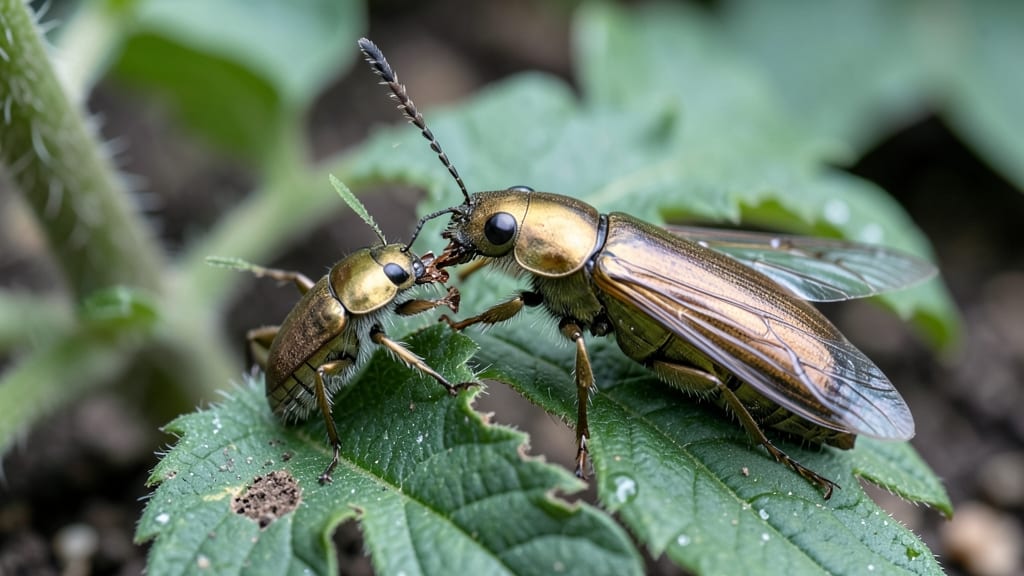
Do Japanese beetles eat tomato plants? If you’ve ever watched these metallic green invaders skeletonize entire leaves in hours, you know the answer is a devastating yes—leaving behind a sad lace of veins and zero harvest potential. These beetles target tomatoes, roses, grapes, and beans, but they have a special weakness for the sweet nectar of tomato flowers. You’ll spot them clustered on leaves during warm afternoons, chewing through foliage with alarming efficiency. The damage isn’t just cosmetic—it weakens plants, reduces fruit set, and invites secondary pests like aphids. My first year fighting them, I lost half my cherry tomatoes before I learned the right moves.
The good news? Organic control works—but you need to act fast before they strip your plants bare. Here’s the game-changer: manual removal paired with neem oil stops them dead.
Grab a bucket of soapy water in the morning when they’re sluggish, then spray plants with neem oil at dusk to repel new arrivals. Companion planting with basil, marigolds, or catnip also confuses their feeding patterns.
Within a week, your tomatoes will bounce back with vibrant green leaves and a full schedule of blooms.
For larger infestations, milky spore (a natural bacteria) offers long-term prevention, but it takes months to establish. The key is consistency—check plants daily, act at the first sign of beetles, and avoid commercial pesticides that harm pollinators.
Your garden’s health depends on it, and these methods deliver guaranteed results without sacrificing your soil or local ecosystem.
Root Causes Of Beetle Feasting
Japanese beetles don’t just randomly munch on tomato plants—they’re drawn to them for very specific reasons. Understanding these triggers is the first step to protecting your garden. Here’s why these metallic invaders zero in on your tomato harvest:
Japanese beetles have an extraordinary sense of smell, capable of detecting plant volatiles (chemical signals) from up to 3 miles away. Tomato plants emit compounds like:
- Z-3-Hexen-1-ol – A stress-related scent released when leaves are damaged (even slightly). Beetles interpret this as a "weak plant" signal, making them more aggressive.
- Methyl salicylate – A natural "help me!" chemical tomatoes release when under attack. Beetles mistake this for a high-value food source.
- Volatile terpenes – Found in tomato flowers, these compounds mimic the aroma of beetle-attracting plants like grapes and roses.
Actionable fix: Prune damaged leaves early to reduce scent cues, and avoid over-fertilizing with nitrogen (which boosts volatile emissions).
Japanese beetles are not picky eaters—they’re opportunistic omnivores with a preference for plants high in:
| Nutrient | Why Beetles Love It | Tomato Plant Level |
|---|---|---|
| Sugars (Glucose/Fructose) | Provides quick energy for flight and reproduction. | ⭐⭐⭐⭐ (Ripe tomatoes = beetle buffet) |
| Protein (Chlorophyll) | Supports larval growth and adult beetle longevity. | ⭐⭐⭐ (Young leaves = protein goldmine) |
| Water Content | Hydration is critical for beetle survival in dry climates. | ⭐⭐⭐⭐ (Tomato leaves retain moisture longer than many crops) |
Actionable fix: Harvest tomatoes before full ripeness to reduce sugar content, and mulch with straw or wood chips to deter beetles from crawling up the vine.
Japanese beetles time their attacks to align with tomato plant vulnerabilities:
- Early June (Emergence) – Beetles seek out new growth (soft, tender leaves = easy meals).
- July-August (Peak Feeding) – Tomatoes are flowering/fruiting, releasing maximum attractant chemicals.
- Late August (Larval Prep) – Beetles gorge on leaves to store energy for pupation (larvae need protein to survive winter).
Actionable fix: Monitor beetle activity weekly during these windows. Use yellow sticky traps (placed away from tomato plants) to reduce airborne beetle numbers.
Japanese beetles are more aggressive when:
- Temperatures exceed 80°F (27°C) – Heat accelerates their metabolism, increasing feeding speed by 30-50%.
- Plants are stressed (drought, poor soil) – Stressed tomatoes release more attractant chemicals.
- Nearby beetle "hotspots" – Gardens with roses, grapes, or linden trees (beetle favorites) act as magnets.
Actionable fix: Drip irrigation keeps plants hydrated (reducing stress signals), and remove nearby beetle magnets like rose bushes if possible.
How to Stop Beetles Devouring Tomatoes
Japanese beetles may seem like tiny, harmless intruders, but their appetite for tomato plants can leave your garden in shambles if left unchecked. The good news? There are effective, organic solutions to protect your plants without harsh chemicals.
Below, we’ve mapped out practical fixes based on the root causes—so you can act fast and keep your tomatoes thriving.
Cause: Beetles are active during daylight and cluster on leaves. Fix: Grab a bucket of soapy water and remove them manually—it’s the most immediate way to reduce damage.
- 🍳 Step 1: Fill a bucket with soapy water (1 tsp dish soap per gallon).
- 👨🍳 Step 2: Early morning or late afternoon (when beetles are sluggish), shake plants gently to dislodge them.
- 🥘 Step 3: Drop them into the soapy water—they’ll drown instantly.
- ⏰ Pro Tip: Do this every 2–3 days during peak beetle season (June–August) for best results.
Why it works: Eliminates beetles before they lay eggs or chew more leaves.
Cause: Beetles are attracted to healthy, lush foliage. Fix: Neem oil disrupts their feeding and reproduction cycles naturally.
- 🔪 Step 1: Mix 1 tbsp neem oil + 1 tsp mild castile soap per quart of water.
- 🌿 Step 2: Spray evenly on leaves (focus on undersides where beetles hide).
- 🎯 Step 3: Reapply every 5–7 days or after rain.
- ✨ Pro Tip: Spray in the evening to avoid harming bees.
Why it works: Neem oil repels beetles while also preventing egg-laying.
Cause: Beetles are drawn to fermenting scents. Fix: Set up beer traps to distract them away from your tomatoes.
- 🍺 Step 1: Bury a plastic cup (rim even with soil) around your garden.
- 🍄 Step 2: Fill with beer or apple cider vinegar.
- 💡 Pro Tip: Place 3–4 traps per 100 sq ft for maximum effectiveness.
Why it works: Beetles drown in the liquid, reducing their numbers near your plants.
Cause: Beetles fly in and land on exposed plants. Fix: Lightweight row covers or floating row covers create a physical barrier.
- 🛡️ Step 1: Cover young tomato plants with fine mesh (1/4-inch or smaller).
- 🌱 Step 2: Secure edges with soil or stakes to prevent beetles from crawling underneath.
- 🌡️ Pro Tip: Remove covers when flowers appear to allow pollination (or hand-pollinate with a brush).
Why it works: Blocks beetles completely while still letting sunlight and water through.
Cause: Beetles target isolated tomato plants. Fix: Plant repellent companions like basil, marigolds, or garlic near tomatoes.
- 🌿 Step 1: Interplant basil (beetles hate its scent) or marigolds (deter pests naturally).
- 🧄 Step 2: Crush garlic or chives around the base of tomato plants for extra protection.
- 🎯 Pro Tip: Avoid planting tomatoes near grapes or roses—beetles love those too!
Why it works: Confuses beetles and reduces their interest in your tomatoes.
- 🌱 Plant early or late (beetles peak in July–August).
- 💦 Water deeply in the morning—beetles are less active on wet foliage.
- 🌿 Remove grassy areas (beetles emerge from turf).
- 🌿 Clean up debris (beetle grubs hide in thatch).
Final Thought: Combining hand-picking, neem oil, and traps gives you the strongest defense against Japanese beetles. Stay consistent, and your tomato plants will stay lush, healthy, and beetle-free! 🍅💪
Frequently asked questions
What do Japanese beetle-damaged tomato leaves look like?
Look for skeletonized leaves—veins remain intact while the soft tissue between them is chewed away in a lace-like pattern. You’ll also spot shiny green beetles with coppery wings clustered on flowers or leaves, especially during warm afternoons. The damage often starts at the top of plants and works downward.
Can Japanese beetles kill tomato plants?
While they won’t kill mature plants outright, severe infestations can cripple tomato production by destroying foliage, reducing photosynthesis, and preventing fruit set. Young plants are especially vulnerable—if beetles defoliate them completely, growth stops and yields plummet. The real danger is secondary stress that opens doors for diseases like blight.
How fast do Japanese beetles reproduce and spread?
Female beetles lay 40-60 eggs over 4-6 weeks, which hatch into grubs that feed on grass roots before pupating. A single generation can produce thousands of beetles in one season. They spread via wind currents, often traveling 3-5 miles from their original location. Early intervention is critical—once established, eradication becomes nearly impossible.
Are there chemical-free ways to control Japanese beetles?
Yes! The most effective organic methods include: hand-picking (drop into soapy water), neem oil sprays (applied at dusk), and milky spore (a natural bacteria that targets beetle grubs). For immediate results, combine yellow sticky traps (placed away from plants) with companion planting (basil, marigolds, or catnip). These methods work best when used together consistently.
Why do Japanese beetles prefer tomatoes over other garden plants?
Tomatoes release high levels of volatile compounds like methyl salicylate when stressed, which beetles mistake for a distress signal. Additionally, tomato leaves contain optimal protein and water content for beetle nutrition, plus their flowers provide easy access to nectar. The combination makes tomatoes a prime target compared to less nutrient-dense plants.