
Companion Plants
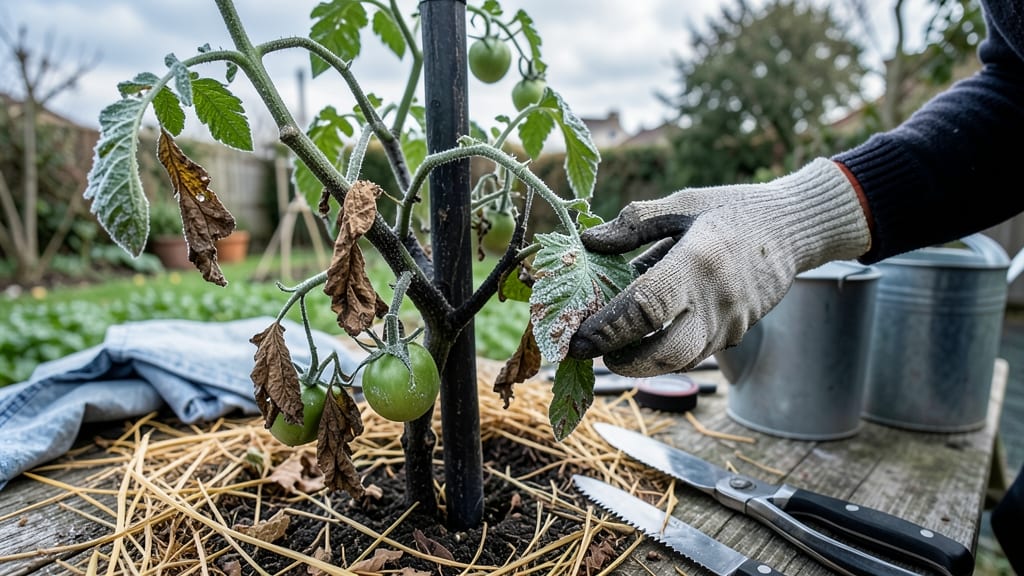
Your tomato plants look like they’ve been through a war zone after a late frost, but there’s still hope. 🌱 Cold-damaged tomato plants don’t mean the end of your harvest—vinegar soak can revive roots and blooms when done right.
I’ve nursed back plants that looked hopeless, and with the right steps, yours can bounce back too.
The damage usually starts with blackened stems or wilted leaves, but the roots might still be alive. A vinegar soak (1 tablespoon per gallon of water) helps break down toxins from frost stress while promoting regrowth.
Act fast—within 24 hours of noticing damage—to give your plants the best shot at recovery.
You’ll see new growth in 7-10 days if the roots are still intact, with stronger stems and perky leaves by week three. Keep soil warm with black plastic mulch or a cloche, and avoid watering overhead to prevent further stress.
If the damage is severe—blackened stems all the way down—it’s time to prune back to healthy tissue. For stubborn cases, consider replacing the plant and focusing on protecting your remaining tomatoes from future cold snaps with row covers or cold frames.
Understanding The Root Causes
Cold damage in tomato plants isn’t just about a chilly breeze—it’s a complex interplay of environmental stressors that disrupt cellular function, nutrient uptake, and growth hormones. Below, we break down the key triggers behind weakened, frostbitten, or cold-stunned tomato vines, so you can pinpoint the issue and act fast.
Tomatoes are warm-season plants (ideal range: 70–85°F / 21–29°C), and their cells contain water-based membranes that freeze or rupture when temperatures plummet. Here’s how it happens:
- Cellular Freezing Injury: When temps drop below 32°F (0°C), water inside plant cells expands as it crystallizes, bursting cell walls like an overfilled balloon.
This kills tissue instantly in severe cases. - Chilling Stress (32–50°F / 0–10°C): Even without ice, enzymes slow down, disrupting photosynthesis and respiration.
Leaves turn yellow (chlorosis), and new growth stalls. - Frost vs. Freeze: A light frost (32–36°F / 0–2°C) may only scorch leaves, while a hard freeze (below 28°F / -2°C) can kill the entire plant if prolonged.
Actionable Insight: 🌡️ Tomatoes are most vulnerable at night when temps drop fastest. Use row covers or black plastic mulch to trap heat before damage occurs.
Cold soil locks out water, forcing roots to work harder while nutrients become inaccessible. This double whammy weakens the plant’s resilience:
- Frozen Soil = Starved Roots: Water in cold soil forms ice crystals, blocking root hairs from absorbing moisture.
Roots suffocate and turn black (root rot). - Osmotic Imbalance: When roots can’t uptake water, solute concentrations inside cells spike, causing osmotic stress—like a plant version of dehydration. - Mulch Matters: A thin or improper mulch layer (e.g., straw too far from the stem) doesn’t insulate enough, leaving roots exposed to temperature swings.
Actionable Insight: 💡 Water deeply before cold snaps (but avoid soggy soil). Use thick mulch (4–6 inches) of straw or leaves to buffer temperature shifts.
Cold winds accelerate moisture loss, drying out leaves and making them more susceptible to frost damage. This is especially critical for:
- Transpiration Overload: Wind increases evaporative cooling, causing leaves to lose water faster than roots can replace it.
Cells plasmolyze (shrink), leading to brown, crispy edges. - Heat Loss: Wind strips the boundary layer of warm air around leaves, dropping leaf temps 5–10°F faster than still air. - Young Plants at Risk: Seedlings and transplants have shallow roots and minimal leaf mass, making them easy targets for windburn.
Actionable Insight: 🏗️ Windbreaks (burlap screens, hedges, or even temporary fencing) can reduce wind speed by 50%, preserving moisture and warmth.
Cold stress weakens tomato plants’ defenses, making them prime targets for pathogens that thrive in damp, chilly conditions:
| Pathogen | Cold-Related Damage | Signs to Watch For |
|---|---|---|
| Early Blight (Alternaria) | Spores germinate slower in cold, but explode when temps warm. | Brown, concentric spots on lower leaves. |
| Fusarium Wilt | Cold reduces root pressure, letting fungus invade xylem. | Wilting (even when soil is moist), yellowing. |
| Botrytis Gray Mold | Thrives in high humidity + cold nights (50–68°F / 10–20°C). | Gray, fuzzy lesions on stems/leaves. |
Actionable Insight: ✨ Preventative sprays (neem oil or copper fungicide) before cold snaps can buy time against fungal outbreaks.
Not all tomatoes handle cold equally. Heirloom vs. Hybrid and determinate vs. indeterminate varieties react differently:
- Cold-Sensitive Varieties: Many heirlooms (e.g., Brandywine, Cherokee Purple) bolt or die at 50°F (10°C).
Hybrids like ‘Mountain Merit’ tolerate down to 28°F (-2°C). - Growth Habit Matters: - Indeterminate (vining) tomatoes struggle more—their delicate tips freeze easily. - Determinate (bush) types recover faster because their compact structure retains heat better.
Actionable Insight: 🌱 Choose cold-hardy varieties (e.g., ‘Stupice’, ‘Siberian’) or start plants late in short-season climates.
Cold often comes with shorter days, throwing off tomato growth hormones:
- Photoperiod Sensitivity: Tomatoes need 14+ hours of light to thrive. Early autumn’s shorter days trigger premature flowering or dormancy.
- Chlorophyll Breakdown: Cold disrupts chlorophyll production, leading to yellowing leaves (even without nutrient deficiencies).
- Bolting Risk: Some varieties bolt (flower prematurely) when exposed to cold nights + long days, diverting energy from fruit to seeds.
Actionable Insight: 💡 Extend light with grow lights (12–14 hrs/day) in late summer to delay dormancy and keep plants productive.
Cold alters plant hormones, throwing growth out of balance:
- Abscisic Acid (ABA) Surge: ABA accumulates in cold stress, triggering leaf drop, dormancy, and root stunting.
- Ethylene Overproduction: Cold boosts ethylene, causing premature fruit drop and flower abortion.
- Gibberellin Drop: This growth hormone plummets in cold, stunting stems and reducing cell elongation.
Actionable Insight: 🌿 Avoid stressing plants further—don’t prune or fertilize with nitrogen during cold snaps (it amplifies ABA production).
Reviving Your Tomatoes After Cold Stress
Cold damage can leave your tomato plants looking wilted, discolored, or even lifeless—but don’t toss them yet! With the right care, you can nurse them back to health and even salvage the season.
Below are targeted solutions based on the most common causes of cold damage, along with prevention tips to keep your plants resilient next time.
If your tomato leaves look blackened, crispy, or drooping after a cold snap, they’ve likely suffered from frost burn. The good news? The plant may still recover if the damage isn’t severe.
What to Do:
- Prune the Damaged Foliage 🔪
- Use sterilized scissors or pruning shears to trim away blackened, mushy, or yellowing leaves—these won’t recover and can attract pests.
- Cut back to healthy green tissue to encourage new growth.
- Protect Remaining Leaves ☀️
- If frost is still a threat, cover the plant with a frost blanket, row cover, or even an old bedsheet secured with rocks or clips.
- Avoid plastic directly on leaves—it can trap moisture and cause rot.
- Boost Recovery with a Vinegar Soak 🍶
- Mix 1 tablespoon of apple cider vinegar in 1 gallon of water and lightly spray the undersides of leaves (where new growth emerges).
- Vinegar’s acetic acid helps stimulate cell repair and deter fungal infections that thrive in stressed plants.
- Water Deeply but Carefully 💧
- Soak the soil (not the leaves) to prevent further shock—cold-damaged roots struggle with moisture stress.
- Water in the early morning to allow foliage to dry before evening chill sets in.
💡 Prevention for Next Time:
- Choose cold-tolerant varieties like ‘Solar Fire,’ ‘Mountain Merit,’ or ‘Stupice’—they handle light frosts better.
- Mulch heavily (4–6 inches of straw or shredded leaves) to insulate roots from temperature swings.
- Avoid overwatering before frost—wet leaves freeze faster.
If your tomato plants stop growing, develop yellow lower leaves, or wilt even when watered, the roots may have suffered cold shock. Roots are sensitive to temps below 50°F (10°C), and damage can stall nutrient uptake.
What to Do:
- Warm the Soil 🔥
- If possible, cover the soil with black plastic or cardboard for a few days to raise ground temperature by 5–10°F.
- For container-grown tomatoes, move pots to a sheltered, sunny spot (like against a south-facing wall).
- Fertilize with a Root Stimulator 🌱
- Use a seaweed-based fertilizer (like MaxSea) or hydroponic rooting hormone to jumpstart recovery.
- Avoid high-nitrogen fertilizers—stressed roots can’t process them well.
- Soak Roots in Warm Water (For Containers) 🛁
- If your tomato is in a pot, submerge the container in a tub of warm (not hot) water for 10–15 minutes to revive chilled roots.
- Do this every 2–3 days until new growth appears.
- Monitor for Blossom End Rot 🚨
- Cold-stressed plants often develop blossom end rot (dark, sunken spots on fruit) due to calcium uptake issues.
- Fix it fast with a calcium spray (like calcium chloride) or side-dress with crushed eggshells.
💡 Prevention for Next Time:
- Use black plastic mulch in early spring to speed up soil warming.
- Avoid planting too early—wait until nighttime temps stay above 55°F (13°C).
- Elevate containers (use pot feet) to prevent cold air pooling around roots.
If your tomato flowers turn black, brown, or drop off after cold weather, they’ve been frost-nipped. While you can’t revive dead blossoms, you can protect remaining ones and encourage new growth.
What to Do:
- Remove Damaged Flowers 🌸
- Snip off blackened or mushy blossoms—they won’t develop into fruit and can attract pests.
- Create a Microclimate 🏡
- Set up a mini greenhouse with clear plastic domes, cloches, or even a repurposed aquarium over the plant.
- Avoid touching leaves—oils from your hands can stress the plant further.
- Hand-Pollinate Healthy Blossoms 🐝
- If temps drop below 50°F (10°C), gently shake the plant in the morning to dislodge pollen.
- For stubborn flowers, use a small paintbrush to transfer pollen from one blossom to another.
- Speed Up Fruit Set with Sugar Water 🍬
- Mix 1 tablespoon of sugar + 1 tablespoon of water and lightly spray healthy blossoms—this boosts energy for fruit development.
💡 Prevention for Next Time:
- Plant heat-loving varieties later in the season for warmer pollination periods.
- Use row covers during late spring frosts (remove when flowers appear to prevent heat stress).
- Avoid over-fertilizing with nitrogen—it encourages leafy growth over flowers, making plants more vulnerable to cold.
Once your tomato plants show signs of new growth (within 1–2 weeks), shift to supportive care:
- Prune suckers to redirect energy to fruit production.
- Stake or cage plants to prevent wind damage from weak stems.
- Mulch again to retain moisture and keep roots warm.
🎯 Final Tip: If your plants are beyond saving, don’t despair—take cuttings from healthy stems and propagate new plants for next season! Cold damage is a temporary setback, not a death sentence. 🌱
Frequently asked questions
How can I tell if my tomato plant is beyond saving after cold damage?
Check for completely blackened stems all the way to the base—this means the vascular system is dead. If only the leaves are damaged but the stem is still green and firm, the plant may recover. For roots, gently tug on the plant: if it pulls out easily with minimal soil resistance, the roots are likely dead.
Why does my tomato plant keep getting cold damage even with row covers?
Row covers need to be secured tightly (use rocks or clips) and removed during the day for sunlight. Cold air can still seep in if gaps exist. Also, covers work best when placed before temperatures drop below 32°F (0°C)
Can I use coffee grounds to help revive cold-damaged tomato plants?
While coffee grounds add nitrogen, they can raise soil acidity too much for tomatoes (ideal pH: 6.2-6.8). Instead, use composted manure or worm castings for gentle nutrient boosts. For immediate help, focus on vinegar soaks and root stimulants first.
How long should I wait before pruning severely frostbitten tomato plants?
Wait 5-7 days to see if new growth emerges from the base. If no regrowth appears, prune back to healthy green tissue immediately. Avoid heavy pruning during active cold stress—it weakens the plant further by removing its natural insulation.
Will my tomato fruits still be safe to eat if the plant was frost-damaged?
Yes, but check for soft spots or mold first—these indicate rot. Fruits that were already formed when frost hit are generally safe. For new growth, monitor closely as cold stress can lead to blossom end rot (discard affected fruits). Always wash thoroughly before eating.