
Pests
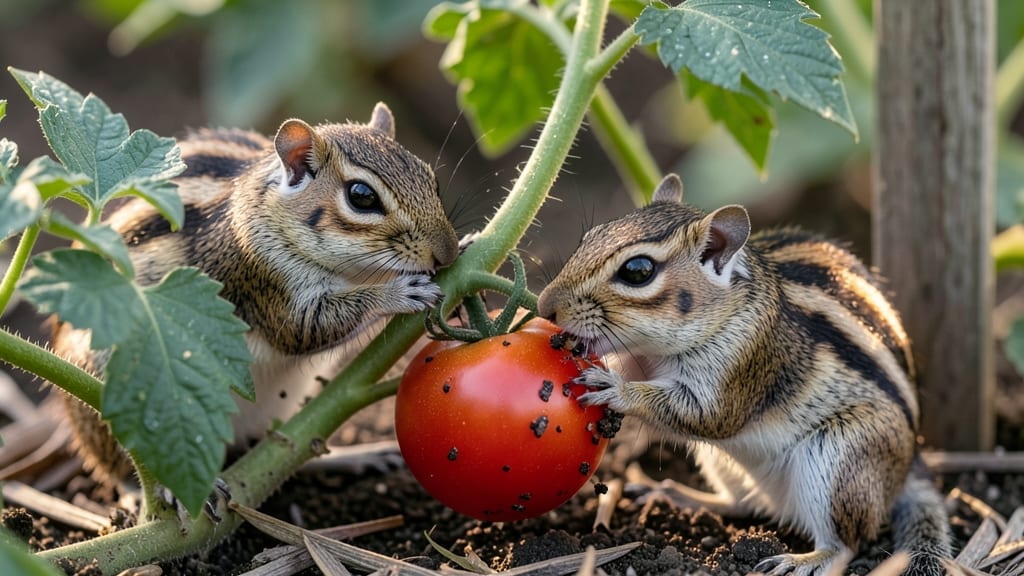
Chipmunks eating tomato plants turned my thriving vines into a buffet last summer—until I discovered these humane deterrents that actually work. 🌱 These tiny striped bandits don’t just nibble leaves; they strip plants to the stem, leaving you with a sad, skeletal tomato cage.
The good news? You don’t need poison or traps to send them packing.
Predator scents like fox urine (available at garden centers) confuse their keen noses, while a 3-foot-high chicken wire fence buried 6 inches deep keeps them out without harm. I also sprinkled cayenne pepper around the base—it’s a natural repellent that doesn’t wash away in rain.
The key is consistency; chipmunks are smart and will return if they find easy access.
Your tomatoes will rebound faster than you think once the chipmunks move on. Within 2-3 weeks, new growth appears, and the plants focus energy on fruit instead of defense. The same tricks work for peppers, beans, and even strawberries—so you’ll protect your whole garden without cruelty.
Fair warning: If you’ve tried repellents before and failed, it’s likely because the scent faded or the barrier wasn’t secure. Double-check your setup, and you’ll see those striped troublemakers high-tail it to the woods where they belong. Your harvest—and your sanity—will thank you.
The Real Culprits Behind Garden Feasts
When your tomato plants start looking like a chipmunk buffet, it’s not just bad luck—it’s science (and a little bit of critter strategy). These tiny, striped bandits aren’t just nibbling out of boredom; they’re following their instincts, biology, and even your garden’s layout.
Understanding why chipmunks target your tomatoes is the first step to outsmarting them without harm. Let’s break down the key reasons these furry foragers zero in on your harvest.
Chipmunks are omnivores with a serious sweet tooth, and ripe tomatoes are basically nature’s candy. Here’s why your plants are so appealing:
- High Sugar Content: As tomatoes ripen, their sugar levels spike—especially in varieties like Sweet 100 or Cherry Tomatoes. Chipmunks can detect these sugars through scent and taste, making them irresistible. 🍅💨
- Soft, Easy-to-Digest Fruit: Unlike tough-skinned produce (e.g., cucumbers or peppers), tomatoes are soft and juicy—perfect for a chipmunk’s small teeth and quick snacking habits.
- Water-Rich and Nutrient-Dense: Tomatoes provide hydration and essential nutrients like potassium and vitamin C, which chipmunks need for survival, especially in dry seasons.
Actionable Insight: If you notice chipmunks targeting only the ripest tomatoes, they’re not just hungry—they’re selecting the most rewarding meals. This behavior peaks in late summer when tomatoes are at their peak ripeness.
Chipmunks aren’t random raiders—they’re strategic foragers who use your garden’s design to their advantage. Here’s how your space might be encouraging their visits:
| Garden Feature | Why Chipmunks Love It | How to Fix It |
|---|---|---|
| Mulch or Leaf Litter | Provides hiding spots and nesting material. Chipmunks tunnel through mulch to access roots and hidden fruit. | Use gravel or pine straw instead, or keep mulch away from tomato plant bases. |
| Low-Hanging Branches or Vines | Chipmunks use them as highways to jump onto plants and avoid predators. | Trim branches 6+ inches above ground to create a "no-fly zone." |
| Open Soil or Bare Spots | Easy digging access to buried tomatoes or roots. Chipmunks can unearth fruit in seconds. | Cover soil with wire mesh (1/4" hardware cloth) or plant ground covers like clover. |
| Drip Irrigation or Standing Water | Attracts insects (chipmunk snacks) and keeps soil moist, making it easier for them to dig. | Water early in the day and avoid overwatering near tomato plants. |
Pro Tip: Chipmunks follow scent trails. If one finds your tomatoes, others will follow within 24–48 hours. Act fast to disrupt their "menu planning."
Chipmunks are seasonal hoarders, and their eating habits shift with the calendar. Here’s how timing affects their tomato raids:
- Spring (Planting Season):
Chipmunks are digging for buried nuts and seeds left over from winter. If your garden has disturbed soil (from planting), they’ll investigate—and stumble upon your tomato seedlings or roots. 🌱🐿️
- Summer (Peak Tomato Season):
This is prime snacking time. Chipmunks are actively foraging to prepare for winter, and ripe tomatoes are a high-calorie, low-effort food source. Their activity peaks at dawn and dusk when they’re most active.
- Fall (Harvest Time):
As temperatures drop, chipmunks cache food for winter. They’ll over-eat on tomatoes to store fat, leading to more aggressive raids in late September and October.
Science Note: Chipmunks have excellent spatial memory. If they find a productive tomato patch, they’ll return to it year after year, even if you change other parts of your garden.
Chipmunks are hardwired to ignore human-made deterrents—at least at first. Here’s why common "solutions" often fail:
- Motion-Activated Sprinklers:
Chipmunks see these as temporary annoyances, not threats. After a few false alarms, they’ll adapt and return when the sprinkler isn’t active.
- Spicy Sprays or Hot Peppers:
While these can deter some pests, chipmunks have a high pain tolerance and may still eat treated plants if they’re desperate. Plus, the scent often fades in rain.
- Fencing (If Not Installed Correctly):
Chipmunks are excellent climbers and diggers. A fence must be buried 12" deep and extend at least 2 feet above ground to block them effectively.
Key Takeaway: Chipmunks rely on trial and error. If a deterrent doesn’t consistently cause discomfort or danger, they’ll keep coming back. The solution? Layered defenses that combine physical barriers, scent confusion, and habitat disruption.
Stop Rodents From Ruining Your Garden
Now that you understand why chipmunks are feasting on your tomato plants, it’s time to take action! The good news is that you can protect your harvest without harming these tiny, energetic critters.
Below are humane, practical solutions tailored to the most common causes of chipmunk munching—plus prevention tips to keep your garden safe long-term.
If chipmunks are digging near your tomato beds or climbing into raised planters, physical barriers are your first line of defense.
🔥 Install Chicken Wire or Hardware Cloth
- How: Bury 12-inch-high wire mesh (with holes smaller than ½ inch) around your tomato plants.
Extend it 6–12 inches underground—chipmunks are expert diggers! - Where: Focus on garden edges, raised beds, and areas where you’ve spotted burrows. - Pro Tip: 💡 Secure the wire with stakes or bent rebar to prevent them from tunneling underneath.
🍳 Use Raised Beds with Smooth Sides
- How: If you’re planting in containers or raised beds, choose smooth-sided models (no gaps for tiny claws to grip).
- Bonus: Add a sloped metal roof (like a DIY tin sheet) to deter aerial visitors.
👨🍳 Create a "No-Dig Zone" with Mulch
- How: Spread gravel or coarse mulch (like pine cones or wood chips) in a 2–3 foot radius around plants. Chipmunks dislike walking on rough surfaces.
- Warning: Avoid fine mulch—it can hide burrows!
Chipmunks are attracted to easy, tasty snacks. Outsmart them by making your tomatoes harder to reach and other food sources more appealing elsewhere.
🥘 Plant Repellent Companions
Some plants naturally deter chipmunks. Try:
- Marigolds (strong scent masks tomato aroma)
- Daffodils (toxic to rodents)
- Garlic or onions (plant near vulnerable spots)
- Mint or pennyroyal (intense fragrance confuses them)
🔪 Remove Attractants Elsewhere
- Clear fallen fruit, seeds, and spilled produce from your yard.
- Store compost bins securely—chipmunks love digging through them!
- Avoid over-fertilizing—rich soil smells like a buffet to burrowing pests.
🎯 Set Up Distractions
- Scatter sunflower seeds or corn in a far corner of your yard (away from veggies).
- Use a small feeder with unsalted peanuts—chipmunks will prefer this over your tomatoes!
If chipmunks are already in your garden, gentle deterrents can encourage them to relocate—without harm.
⏰ Live Traps for Relocation
- How: Use a humane box trap (like the Havahart model) baited with peanut butter or sunflower seeds.
- Where: Place traps near burrow entrances or along their travel paths.
- Release: Take them at least 2 miles away (check local laws first!) in a wooded area with no gardens.
🌡️ Motion-Activated Sprinklers
- How: Install a solar-powered sprinkler (like the Orbit Enforcer) that sprays when it detects movement.
- Why: The sudden burst startles chipmunks without harming them.
🎯 Scare Them with Noise & Sight
- Wind chimes, old CDs, or aluminum pie pans create unpredictable noise that chipmunks dislike.
- Predator decoys (like a plastic owl or snake) can work short-term—move them often so chipmunks don’t get used to them.
Once you’ve dealt with the current infestation, keep chipmunks away for good with these habits:
- 💡 Harvest ripe tomatoes promptly—overripe fruit is a magnet.
- 🌡️ Water plants in the morning—wet soil is harder for them to dig.
- ✨ Check for burrows in spring—seal entries with steel wool or caulk.
- 🎯 Rotate planting locations—chipmunks remember favorite spots!
Final Thought: 🌱 With a mix of barriers, distractions, and smart gardening, you can enjoy a chipmunk-free tomato harvest—without cruelty. Try one or two methods first, then adjust based on what works best in your yard!
Frequently asked questions
Why do chipmunks suddenly target tomatoes when other plants are fine?
Chipmunks go for tomatoes because they're packed with sugars and water—like nature's candy! Their keen noses detect ripening fruit, and the soft texture makes them an easy snack. Unlike tough-skinned veggies, tomatoes require zero effort to eat, which is why they become the #1 garden buffet item during peak summer months.
Will cayenne pepper spray really keep chipmunks away?
It can work short-term, but chipmunks have a high tolerance for spicy scents. For better results, mix cayenne with dish soap and water, then reapply every 3-4 days after rain. The soap helps the spray stick to leaves longer. For maximum effectiveness, combine it with other deterrents like predator urine or physical barriers.
How deep should I bury fencing to stop chipmunks from digging under?
Chipmunks can dig up to 12 inches deep, so bury your fence or wire mesh at least that far. For extra security, extend it 6 inches beyond the burrow entrance you've spotted. Use bent rebar or heavy stakes to secure the bottom edge—chipmunks are strong diggers and will try to tunnel through weak spots.
Are there plants that naturally repel chipmunks?
Yes! Try planting marigolds, daffodils, or garlic near your tomatoes. These plants mask tomato scents that attract chipmunks. The strong aromas confuse their sensitive noses, making your garden less appealing. Bonus: Many of these plants also deter other pests like rabbits and deer!
What's the best time of day to check for chipmunk damage?
Check your tomato plants at dawn or dusk—that's when chipmunks are most active. Look for chewed leaves, missing fruit, or small burrows near plant bases. Morning inspections also help you catch any new damage before it spreads, giving you time to reinforce deterrents before their next raid.