
Vegetables
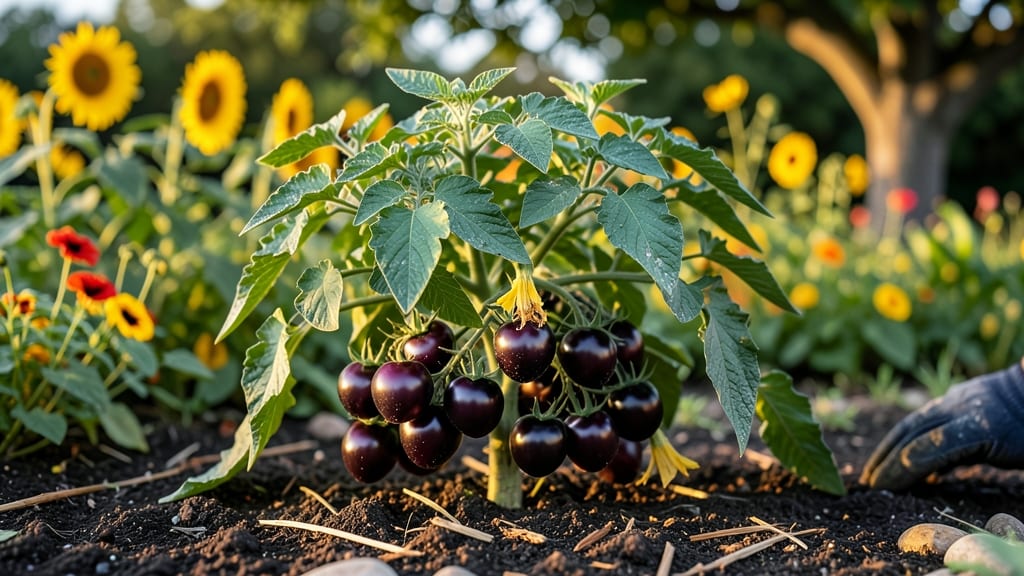
The Cherokee Purple tomato, whether you choose a determinate or indeterminate variety, will dramatically shape your harvest—10 pounds in 6 weeks or 20 pounds all season long.
Determinate varieties produce a single, compact harvest, while indeterminate types keep climbing and fruiting until frost—both are Cherokee Purple, but their care couldn't be more different.
I've grown both in my garden, and the difference isn't just in yield: it's in how you stake, prune, and even plan your garden layout.
Determinate Cherokee Purples grow to about 3-4 feet tall, forming a bushy plant that sets fruit all at once. They're perfect for containers or small spaces, needing minimal staking and no pruning—just let them grow.
Indeterminate types, on the other hand, can reach 6-8 feet or taller, requiring strong trellises and regular pruning to direct energy into fruit production rather than leafy growth. Both types need full sun and well-draining soil, but the indeterminate plants demand more attention.
You'll notice the determinate harvest comes in a single 2-3 week window, ideal for canning or preserving. Indeterminate plants, however, give you a steady supply from midsummer until frost, perfect for fresh eating. The trade-off?
Determinate plants are easier for beginners, while indeterminate types reward patience with a longer harvest season. Choose based on your garden space, time commitment, and what you plan to do with your tomatoes.
For either type, start seeds indoors 6-8 weeks before last frost, transplant carefully, and provide consistent moisture. The key difference lies in support: determinate plants need minimal help, while indeterminate types require sturdy cages or trellises to handle their weight.
Both will give you those deep purple, meaty tomatoes—it's just a matter of how you want to grow them.
📚 In This Guide
- What you need
- Instructions
- Tips and common mistakes
- Wrapping up and next steps
What you need
- ● Seeds or seedlings: Cherokee Purple tomato seeds (determinate or indeterminate variety) or healthy young plants. Pro tip: Start seeds indoors 6-8 weeks before the last frost!
- ● Containers or garden space: For determinate varieties: 5-gallon pots or garden beds with 18-24 inches of spacing between plants.
- ● For indeterminate varieties: Larger pots (10+ gallons) or garden beds with 24-36 inches of spacing and sturdy trellises/cages (6+ ft tall).
- ● High-quality potting mix: Well-draining, organic mix (e.g., 50% compost, 30% peat/coco coir, 20% perlite).
- ● Fertilizer: Balanced 10-10-10 or 5-10-10 fertilizer for seedlings.
- ● Tomato-specific low-nitrogen (3-4-6) fertilizer once flowering begins.
- ● Support structures: Trellis, stakes, or cages (for indeterminate varieties).
- ○ Pruning shears (for indeterminate—optional but helpful for shaping).
- ● Garden trowel or transplanting spade
- ● Watering can or hose with soaker nozzle
- ● Mulch (straw or shredded leaves) to retain moisture
- ● pH test kit (ideal soil pH: 6.0-6.8)
- ● Glove (to protect from thorns on indeterminate varieties!)
- ● Sunlight: 6-8+ hours of full sun daily (non-negotiable!).
- ● Climate: Warm season (after last frost). Cherokee Purples thrive in USDA Zones 4-10.
- ● Watering routine: Deep watering 1-2 inches per week (adjust for heat/drought).
- ● Patience: Determinate varieties mature in 70-85 days; indeterminate take 80-90+ days.
How to master Cherokee Purple tomato growth patterns
Understanding determinate and indeterminate growth is key to maximizing Cherokee Purple yields—here's how to grow them both successfully.
Identify Plant Type and Choose Planting Location
Cherokee Purple tomatoes come in both determinate (bush) and indeterminate (vining) varieties, and each requires different spacing and support. Determinate plants grow to a compact 4-5 foot height and produce fruit all at once, ideal for canning or fresh harvests. Indeterminate varieties grow continuously until frost, reaching 6-10 feet, and need strong trellising for their sprawling vines.
For determinate plants, space them 2-3 feet apart in full sun (6-8 hours daily). Indeterminate varieties need 3-4 feet spacing and a sturdy 6-foot tall trellis or cage to support their weight. I always plant indeterminate types along a fence line or use heavy-duty tomato cages to prevent stem breakage from fruit weight.
Prepare Soil and Planting Conditions
Cherokee Purples thrive in well-draining, nutrient-rich soil with a pH of 6.0-6.8. Before planting, mix 2-3 inches of compost into the top 6-8 inches of soil to improve fertility and drainage. These tomatoes are heavy feeders, so I add a balanced 10-10-10 fertilizer at planting time to give them a strong start.
For determinate plants, create a small mound of soil when transplanting to encourage root development. Indeterminate varieties benefit from a deep planting technique—bury 1/3 of the stem to promote additional root growth along the buried portion. Water deeply after planting to settle the soil and eliminate air pockets around the roots.
Implement Growth-Specific Care Strategies
Determinate Cherokee Purples produce fruit in a single flush, so I focus on consistent watering to prevent blossom-end rot—a common issue with this variety. Water at the base of the plant in the morning to allow foliage to dry quickly, reducing disease risk. Mulch with 2-3 inches of straw to retain moisture and regulate soil temperature.
Indeterminate types need ongoing support and pruning. Remove suckers (side shoots) that form in the leaf axils to direct energy to fruit production rather than excessive foliage. Prune lower leaves to improve air circulation and reduce disease. You'll see stronger stems and heavier fruit sets when you keep the plant's energy focused upward.
Harvest and Manage Fruit Production
Determinate Cherokee Purples ripen all at once, so I monitor them closely during their 75-85 day growing season. Harvest when the fruit reaches full color—deep purple with some green streaks—typically in late summer. Store unripe tomatoes in a cool, dark place to finish ripening, as they continue to develop flavor off the vine.
Indeterminate varieties produce fruit continuously until frost, so I harvest every 2-3 days to prevent overripe tomatoes from splitting. These plants often keep producing until first frost, so I extend the season with row covers or move potted plants indoors if possible. The key is consistent harvesting—don't let more than 2-3 tomatoes remain on the vine at once.
Tips & tricks for perfect Cherokee Purple tomato cultivation
These practical insights will help you navigate the unique needs of both determinate and indeterminate Cherokee Purple varieties—because treating them the same way leads to disappointment.
Support System Matters: For indeterminate varieties, I can't stress enough how critical that 6-foot tall trellis is. The sprawling vines need vertical support to prevent stem breakage, especially as fruit develops. I've seen heavy Cherokee Purple tomatoes snap stems cleanly when unsupported—it's heartbreaking. Use heavy-duty cages or sturdy wooden stakes tied with soft plant ties to avoid damaging the stems during growth.
Soil Prep Secrets: The 2-3 inches of compost mixed into the top 6-8 inches of soil isn't just about nutrients—it's about creating the perfect moisture-retentive environment these tomatoes crave. I always test my soil pH before planting, aiming for that 6.0-6.8 range. If your soil tests lower, add agricultural lime; if higher, work in peat moss or pine needles. The deep planting technique for indeterminate varieties—burying 1/3 of the stem—promotes root development along that buried portion, giving you a stronger plant.
Watering Wisdom: The 6-8 hours of daily sunlight these plants need means consistent watering is non-negotiable. I water at the base in the morning to prevent fungal diseases, and that 2-3 inches of straw mulch is a game-changer for moisture retention and temperature regulation. For determinate varieties, I've found that consistent watering prevents blossom-end rot—a common issue with this variety—while indeterminate types benefit from regular pruning to improve air circulation and reduce disease risk.
Harvesting Timing: Determinate Cherokee Purples ripen all at once during their 75-85 day growing season, so I monitor them closely. Harvest when you see full color with just a hint of green streaks—this is when they're at peak flavor. For indeterminate varieties, harvesting every 2-3 days prevents overripe tomatoes from splitting. I've extended seasons with row covers or even moved potted plants indoors before frost, and the flavor development off the vine is remarkable.
Pro Tips for Cherokee Purple Tomato Determinate Or Indeterminate
- These practical insights will help you navigate the unique needs of both determinate and indeterminate Cherokee Purple varieties—because treating them the same way leads to disappointment.
- Support System Matters: For indeterminate varieties, I can't stress enough how critical that 6-foot tall trellis is.
- Soil Prep Secrets: The 2-3 inches of compost mixed into the top 6-8 inches of soil isn't just about nutrients—it's about creating the perfect moisture-retentive environment these tomatoes crave.
Frequently asked questions
Got questions about growing Cherokee Purple tomatoes? You’re not alone! Whether you’re a first-time gardener or a seasoned pro, these answers will help you master determinate vs. indeterminate varieties like a pro.
Is the Cherokee Purple tomato determinate or indeterminate?
The Cherokee Purple is an indeterminate variety, meaning it grows continuously until frost and produces fruit all season long. Determinate varieties (like 'Celebrity') stop growing at a certain height and ripen all at once. Indeterminate types need sturdy support like cages or trellises to handle their vine growth!
How long does it take for Cherokee Purple tomatoes to mature?
Expect to wait 80–90 days from transplanting to harvest for Cherokee Purples. Indeterminate types may take slightly longer than determinate varieties, but they keep producing fruit well into fall. Start seeds indoors 6–8 weeks before the last frost for the best results!
Can I grow Cherokee Purple tomatoes in containers?
Since they’re indeterminate, choose a large container (at least 5 gallons) with drainage and support (like a tomato cage or stakes). Place it in full sun (6–8 hours daily) and keep the soil consistently moist. Just be ready to bring pots indoors if frost threatens!
What pests or diseases should I watch for with Cherokee Purple tomatoes?
Indeterminate varieties like Cherokee Purples are prone to blossom end rot (calcium deficiency), hornworms, and early blight. Prevent issues by mulching, watering deeply (not overhead), and using row covers. Prune suckers regularly to improve airflow and fruit production.
Do Cherokee Purple tomatoes need pruning?
Yes! Pruning indeterminate tomatoes like Cherokee Purples boosts airflow and fruit quality. Remove suckers (the small shoots between the stem and branches) and lower leaves. Leave 3–4 main stems for support, and prune aggressively in hot climates to reduce stress. Pro tip: Use sharp shears and prune in the morning!
Wrapping up and next steps
Choosing between determinate and indeterminate Cherokee Purple tomatoes comes down to your garden’s needs and goals—whether you crave early, compact harvests or prolonged, vine-yielding bounty. Both types deliver that rich, smoky-sweet flavor we all love, so pick what fits your space and patience! 🌱
Ready to grow? Start with a seed or seedling, plan your trellis (or not!), and get planting—your taste buds will thank you. Happy gardening!