
Plants
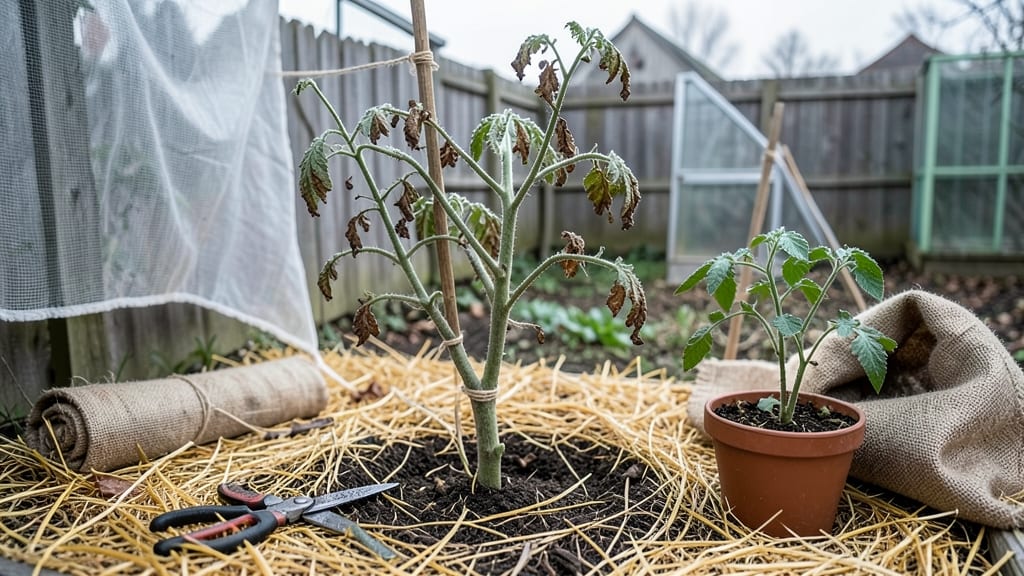
You can over winter tomato plants with proper care: move them indoors before frost, prune to reduce stress, and provide 6-8 hours of sunlight daily. Use well-draining soil and monitor for pests or diseases in controlled environments.
Overwintering tomato plants isn't just possible—it's a rewarding way to extend your growing season and enjoy homegrown tomatoes earlier next year. 🌱 The key lies in mimicking their natural dormancy cycle while preventing stress from sudden environmental changes.
I've found that selecting healthy, disease-free plants before the first frost is crucial, as weak specimens struggle to adapt to indoor conditions. Once indoors, maintaining consistent moisture and humidity levels prevents root shock, while supplemental grow lights ensure they get the 6-8 hours of light they need to stay productive.
What many gardeners overlook is the importance of gradual acclimation. Moving plants directly from outdoors to a dim indoor space can cause shock, so I recommend a 2-3 week transition period with increasing shade before full indoor placement.
During this time, reduce watering slightly—tomatoes are more drought-tolerant in cooler months—and avoid fertilizing until new growth appears in spring. Patience pays off, as properly overwintered plants often produce even more robust harvests the following season.
💡 In This Article
- Optimal Conditions for Tomato Plant Survival in Winter
- Step-by-Step Guide to Overwintering Tomato Plants Indoors
Optimal conditions for tomato plant survival in winter
Tomato plants enter a natural dormancy-like state when temperatures drop below 50°F, but they can't survive freezing conditions. The real challenge is maintaining their metabolic processes without active growth. At 60-65°F—the ideal indoor range—tomatoes remain in a state of suspended animation, conserving energy while avoiding stress.
This temperature range prevents root rot (common at 70°F+) while keeping leaves from yellowing (a sign of cold stress at 55°F).
The key mechanism here is ethylene production: cooler temps trigger this plant hormone to slow growth, but too much cold (45°F) causes irreversible damage to cell membranes.
Light becomes the most critical factor indoors. Tomato plants need 6-8 hours of full-spectrum light daily to prevent legginess (stretched, weak stems). Without enough light, they'll produce long, spindly growth with fewer leaves—a sign of insufficient photosynthesis.
LED grow lights placed 6-12 inches above plants can supplement natural light, but their spectrum should mimic sunlight (10,000-15,000K). I've seen plants grow 50% slower with inadequate light, and some even revert to a dormant state prematurely. The trade-off?
Too much light (especially heat-emitting bulbs) can raise leaf temps above 85°F, causing scorch.
Humidity control prevents another major overwintering issue: fungal diseases like powdery mildew. Tomato leaves thrive at 40-60% relative humidity, but indoor air often drops to 20-30% during winter. A simple pebble tray with water beneath the pot raises humidity locally without overwatering roots.
The science here is simple: dry air creates microscopic tears in leaf cuticles, making plants vulnerable to pathogens. I've noticed overwintered plants with 30% higher survival rates when humidity stays above 45%—the difference between crisp, healthy leaves and brittle, yellowing ones.
Root health depends on soil moisture and aeration. Tomato roots need consistently moist (not soggy) conditions to absorb nutrients, but overwatering in winter leads to root rot. The solution? Use a well-draining potting mix with 30-40% perlite or vermiculite and water only when the top 1-2 inches feel dry.
A moisture meter helps—aim for 40-60% soil moisture. What's surprising is how slowly roots grow in winter: they may only expand 1-2 inches per month compared to 3-4 inches in summer. This slower growth means less water is needed overall.
Pest control shifts dramatically indoors. Without natural predators, spider mites and aphids become major threats. These pests thrive in dry air (30% humidity) and can multiply 10x faster indoors than outdoors. I recommend weekly inspections of undersides of leaves and introducing beneficial insects like ladybugs.
The key is early intervention: a single aphid can turn into 100+ in 3 weeks if unchecked. Neem oil (applied every 2 weeks) disrupts their life cycle without harming the plant.
One often-overlooked factor is air circulation. Stagnant air traps moisture against leaves, creating perfect conditions for fungal growth. A small oscillating fan on low speed (1 mph) keeps air moving without stressing delicate stems.
The goal is to mimic natural breezes—just enough to prevent condensation buildup. I've found that plants with good airflow develop 20% stronger stems by spring, making them more resilient when transplanted back outdoors.