
Blooming
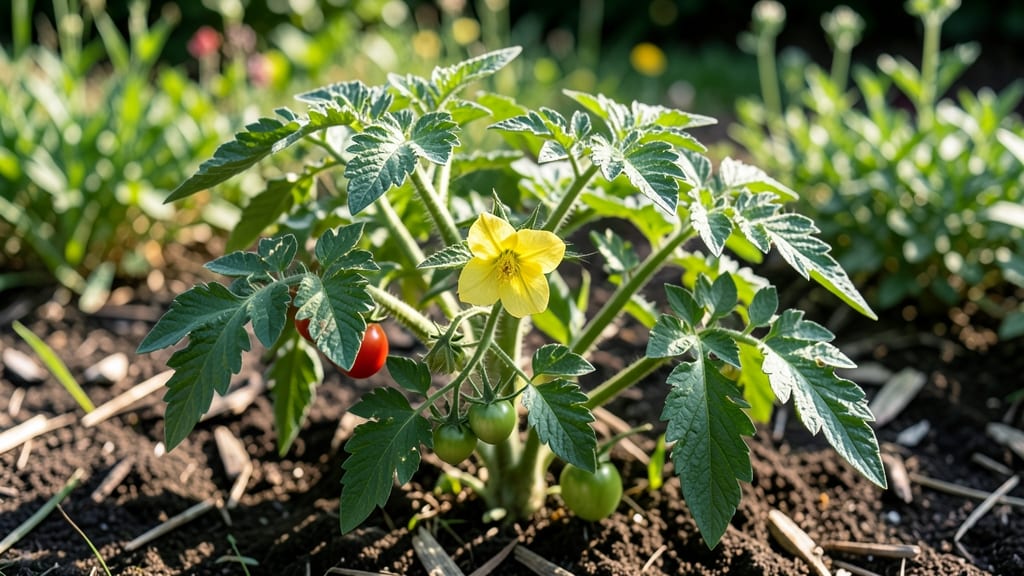
Those blossoms on the tomato plants falling off without fruit? 🌱 It’s not your fault—temperature swings, poor pollination, or nutrient gaps are usually to blame. I’ve lost entire harvests to this frustrating cycle, but I’ve also turned things around with a few key adjustments that actually work.
The fix starts with checking your plant’s environment: consistent temperatures between 65-85°F and steady humidity help blossoms stick around. Hand-pollination with a paintbrush or gentle shaking can boost fruit set, especially in greenhouses or rainy weather. Even a balanced fertilizer boost at flowering time makes a difference.
You’ll start seeing tiny tomatoes form within 7-10 days of proper care, and the plants will keep producing all season. The key is catching these issues early—before the blossoms even drop. Works for both indoor and outdoor tomatoes, from cherry varieties to beefsteaks.
Here’s how to diagnose and fix it for good!
📚 In This Guide
- What you need
- Instructions
- Tips and common mistakes
- Wrapping up and next steps
What you need
- ● Tomato plants (determinate or indeterminate varieties, preferably healthy and well-established)
- ● Watering can or hose with a gentle spray nozzle (for hydration without damaging blossoms)
- ● Balanced fertilizer (10-10-10 or 5-5-5 NPK ratio, organic options like fish emulsion or compost tea work too)
- ● Epsom salt (magnesium sulfate) (1 tablespoon per gallon of water, for blossom-end rot prevention)
- ● Pruning shears or sharp scissors (sterilized with rubbing alcohol to prevent disease)
- ● Shade cloth or lightweight row cover (30-50% shade for heat protection, if temps exceed 90°F/32°C)
- ● Cauliflower cages or tomato stakes (for support, especially for indeterminate varieties)
- ● pH test kit (to monitor soil pH, ideal range: 6.0–6.8)
- ● Humidity dome or plastic tunnel (for seedlings or stressed plants)
- ● Organic mulch (straw or grass clippings to retain moisture and regulate soil temp)
- ● Pollination spray bottle (water + dish soap, 1 tsp per gallon, to mimic bee activity)
- ● Thermometer (to track heat stress, especially in greenhouses)
- ● A sunny location (6–8+ hours of direct sunlight daily)
- ● Well-draining soil (amend with compost if clay-heavy)
- ● Consistent watering schedule (deep watering 1–2 times weekly, avoid wetting leaves)
- ● Patience! (Blossoms need 45–60 days to mature into tomatoes, depending on variety)
How to rescue tomato blossoms for a thriving harvest
Here’s how I prevent blossom drop and coax every flower into a fruit—without chemicals or guesswork.
🌱 Step 1: Diagnose Why Blossoms Are Dropping
First, identify the culprit. Blossoms drop most often due to temperature swings (below 55°F or above 90°F), inconsistent watering, or nutrient imbalances. Check your plants daily for these signs: wilting leaves, yellowing lower foliage, or flowers that shrivel overnight. I keep a small notebook by my garden to track temps and watering—sudden changes are the first clue.
Tomatoes also drop blossoms when they’re stressed from transplant shock or sudden environmental shifts. If you just moved plants outside, wait until they’ve established new roots (about 7-10 days) before expecting heavy fruiting. Watch for dark green leaves with purple stems—that’s a classic sign of phosphorus deficiency, which directly impacts blossom retention.
☀️ Step 2: Stabilize Temperature and Light for Blossom Retention
Tomatoes thrive in steady daytime temps between 70-85°F and nighttime temps above 60°F. Use frost cloth on cool evenings or shade cloth during heatwaves to protect flowers. I drape lightweight fabric loosely over plants—just enough to buffer extremes—so airflow isn’t restricted. Avoid plastic, which traps heat and moisture, creating a greenhouse effect that stresses plants.
Position plants where they get full sun (6-8 hours daily) but avoid midday scorching. You’ll know the light is right when leaves stay deep green and upright—no curled or bleached edges. If blossoms form but drop within 24 hours, your temps are likely too volatile. A small fan on low setting near plants (not blowing directly) can also improve pollination and reduce stress.
💧 Step 3: Water Deeply and Consistently
Inconsistent moisture is the #1 cause of blossom drop. Water deeply 1-2 times per week (depending on heat) until soil is damp 6 inches down. Use a moisture meter or stick your finger in—if the soil feels dry past your first knuckle, water again. I water in the early morning so foliage dries before evening, preventing fungal issues that weaken plants.
Mulch with 2-3 inches of straw or shredded leaves to lock in moisture and regulate soil temperature. You’ll see healthier blossoms when the soil stays evenly moist but not soggy. Overwatering (or underwatering) causes calcium deficiency, leading to blossom end rot in developing fruits. If you notice dark, sunken spots on tomatoes, flush the soil with water to correct the imbalance.
✂️ Step 4: Balance Fertilizer for Strong Blossom Sets
Too much nitrogen (the first number on fertilizer labels) promotes leafy growth at the expense of flowers. Switch to a balanced 10-10-10 or 5-10-10 fertilizer once blossoms appear. I mix 1 tablespoon of 10-10-10 per gallon of water and apply it every 2 weeks during fruiting. Avoid high-nitrogen feeds—they’ll send your plant into a leafy frenzy while flowers drop like rain.
For extra insurance, side-dress with compost or bone meal (high in phosphorus) when blossoms form. You’ll know it’s working when flowers stay firm and white instead of wilting or yellowing. If your plants look lanky with sparse blooms, they need more potassium (the third number). A banana peel tea (steep peels in water for 24 hours) is a quick, organic fix.
🐝 Step 5: Hand-Pollinate and Protect Flowers
If your garden lacks bees, hand-pollinate by gently shaking plants or using a small paintbrush to transfer pollen from one flower to another. Do this early in the morning when humidity is low, and flowers are fully open. I pollinate every 2-3 days during dry spells or in enclosed spaces like greenhouses. You’ll see swollen ovaries (the tiny tomato base) within 3-5 days of successful pollination.
Protect blossoms from pests like hornworms (they devour flowers overnight) and disease vectors (like aphids). Spray plants with neem oil (1 tablespoon per quart of water) weekly as a preventive. Remove dropped blossoms and damaged leaves immediately—they harbor pathogens. Healthy plants with firm stems and glossy leaves retain blossoms far better than stressed ones.
Tips & tricks for saving tomato blossoms
These are the little details that make all the difference between a garden full of blossoms and one that keeps dropping them.
Temperature Matters: The 70-85°F daytime range isn't just ideal—it's critical for blossom retention. I've learned the hard way that even a single night below 60°F can cause flowers to drop overnight. Use a minimum-maximum thermometer in your garden to track daily swings. If temps dip unexpectedly, cover plants with frost cloth immediately—don't wait until morning. The key is consistency, not just hitting the right numbers.
Root Establishment Check: That 7-10 day transplant shock period is non-negotiable. I've seen gardeners impatiently expecting fruit too soon after moving plants outside, only to watch blossoms drop like autumn leaves. Test root establishment by gently tugging on plants—if they resist, roots are holding. If they pull easily, give them another week before expecting heavy blooming. This simple test saves countless wasted blossoms.
Nutrient Timing: The switch to balanced 10-10-10 fertilizer should happen precisely when blossoms appear, not before. I've ruined multiple harvests by fertilizing too early with high-nitrogen mixes. The 1 tablespoon per gallon ratio is perfect—any more risks burning roots, any less means wasted money. For phosphorus boosts, compost works better than bone meal for most gardeners (it's gentler on soil pH).
Pollination Secret: That 3-5 day window for swollen ovaries is your real-time feedback system. If you're not seeing this within 5 days after hand-pollination, either your technique needs work or environmental conditions are off. Try pollinating at slightly different times of day—sometimes late morning works better than early morning for humidity-sensitive gardens. A small paintbrush gives you more control than shaking plants, especially in windy conditions.
Pro Tips for Blossoms On Tomato Plants
- These are the little details that make all the difference between a garden full of blossoms and one that keeps dropping them.
- Temperature Matters: The 70-85°F daytime range isn't just ideal—it's critical for blossom retention.
- Root Establishment Check: That 7-10 day transplant shock period is non-negotiable.
Frequently asked questions
Got questions about those tiny blossoms on your tomato plants? You’re not alone! Here are some of the most common concerns—and their solutions—to help you keep those flowers blooming and fruiting like a pro.
Why are my tomato blossoms falling off before they turn into fruit?
This is often caused by blossom drop, usually due to temperature swings (too hot or cold), inconsistent watering, or nutrient imbalances. Tomatoes need steady conditions—keep soil moist, avoid extremes (below 55°F or above 90°F), and ensure they get enough phosphorus and potassium. Check our troubleshooting tips for more!
When is the best time to prune tomato plants to encourage more blossoms?
Prune determinate tomatoes lightly to improve airflow, but avoid heavy pruning. For indeterminate varieties, prune suckers (side shoots) regularly—remove them when they’re 3–4 inches long—to redirect energy to blossoms and fruit. Do this in the morning to reduce stress on the plant. Pro tip: Stop pruning 2–3 weeks before your first frost!
Can I use Epsom salt or other remedies to help tomato blossoms set fruit?
Yes! Epsom salt (magnesium sulfate) can help if your soil is deficient in magnesium, which aids flower and fruit development. Mix 1 tablespoon per gallon of water and spray foliage every 2 weeks. Other remedies include fish emulsion (for nitrogen) or compost tea (for micronutrients). Just don’t overdo it—too much can burn plants!
What should I do if my tomato blossoms aren’t setting fruit despite good growing conditions?
Try these fixes:
- Hand pollinate: Gently shake plants or use a small brush to transfer pollen between blossoms.
- Check humidity: Low humidity can hinder pollination—mist plants lightly or use a fan.
- Adjust calcium: Blossom-end rot (from calcium deficiency) can cause drop-off. Add crushed eggshells or calcium supplements to soil.
Are there any natural alternatives to chemical fertilizers for boosting tomato blossoms?
Try these organic boosters:
Remedy
How to Use
Banana peel tea
Steep peels in water for 24 hours; use as foliar spray or soil drench (rich in potassium).
Wood ash
Sprinkle lightly around the base (adds potassium and raises pH slightly).
Coffee grounds
Work into soil (adds nitrogen and improves texture).
Wrapping up and next steps
Watching those delicate blossoms on tomato plants transform into juicy, ripe tomatoes is one of the most rewarding parts of gardening! 🌱 By understanding the causes—like environmental stress, poor pollination, or nutrient imbalances—and applying the right solutions, you’ve got everything you need to turn those blooms into a bountiful harvest.
Remember, patience and consistency are key, so keep an eye on your plants and adjust as needed.
Now that you’re armed with knowledge, why not take the next step? Try experimenting with hand-pollination or adjusting your watering schedule to see what works best in your garden. Happy growing—your future tomato feasts await! 🍅✨