
Companion Plants
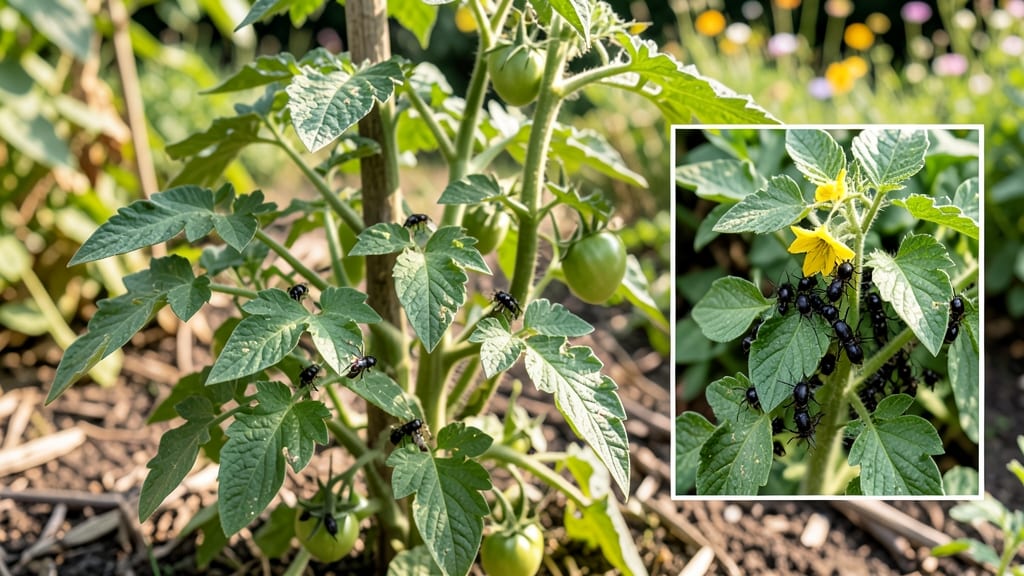
Black flies swarming your tomato plants mean your harvest is under attack. 🌱 I’ve battled these tiny menaces for years—until I discovered this homemade garlic pepper spray that clears them out in just a few hours without harsh chemicals. The secret?
A potent blend that disrupts their life cycle while keeping your plants safe to eat. These pests thrive in damp soil, so the first step is fixing their favorite conditions: water less frequently, improve drainage, and let the top inch of soil dry between waterings.
Once you’ve adjusted their environment, the spray becomes your secret weapon. Mix garlic, cayenne, dish soap, and water for a solution that’s strong enough to deter flies but gentle enough for edible plants. You’ll notice fewer flies within 24 hours, and your tomatoes will start looking healthier almost immediately.
The spray works on other garden pests too, making it a versatile, budget-friendly solution for your entire plot. No more losing plants to these annoying invaders—just fresh, fly-free tomatoes. This method works in all climates and scales from a single container to a full garden.
The ingredients are simple, the process is quick, and the results are noticeable fast. Let’s get those plants back on track!
Root Causes of Tiny Tomato Thieves
Black flies—often mistaken for fungus gnats or aphids—can turn your thriving tomato plants into a buffet for these pesky invaders. Understanding why they show up in the first place is the first step to kicking them out for good. Let’s break down the science behind their uninvited visits.
Black flies, particularly fungus gnats (Sciaridae family), are drawn to moist, organic-rich soil. Their larvae thrive in damp conditions because they feed on fungal growth and decaying plant matter in the soil. Here’s why your tomato plants might be a hotspot:
- Poor Drainage: If your pots or garden beds retain too much water (e.g., heavy clay soil or overwatering), the top inch of soil stays soggy—perfect for fungus gnat eggs to hatch.
- Fresh Compost or Mulch: While compost is great for nutrients, fresh, undecomposed organic matter (like manure or wood chips) emits gases that attract adult flies.
- Fungal Feasts: Tomato plants stressed by overwatering or poor air circulation can develop root rot or fungal infections, which fungus gnats love to snack on.
💡 Pro Tip: Let the top 1–2 inches of soil dry out between waterings. If your thumbs are unsure, stick a chopstick in—if it comes out clean, water again!
Tomato plants under stress emit chemical signals that attract pests, including black flies. Here’s how stress opens the door:
- Root Bound or Root Damage: If roots are cramped (e.g., in small pots) or damaged (from overwatering or transplant shock), they release volatile organic compounds (VOCs) that flies detect as a "help yourself" sign. - Nutrient Deficiencies: Plants low in nitrogen or phosphorus (common in overworked soil) can’t fight off pests as effectively.
Weak foliage = easier access for flies to lay eggs. - Physical Damage: Broken stems or leaves create entry points for flies to deposit eggs in the soil below.
✨ Actionable Fix: Thin out crowded plants, side-dress with compost, and avoid over-fertilizing with nitrogen (which promotes leafy growth but weakens roots).
Black flies adore warm, humid conditions—think of them as the tropical vacationers of the insect world. Your tomato patch might be their ideal resort if:
- Greenhouse or Shade: Stagnant air and high humidity (above 60%) create a fly-friendly greenhouse effect, slowing evaporation and keeping soil moist longer.
- Morning Dew or Evening Watering: Leaving water on leaves overnight raises humidity around the soil, signaling flies that it’s "egg-laying weather."
- Seasonal Peaks: Fungus gnats surge in spring and fall when temperatures hover between 60–80°F (15–27°C)—perfect for their life cycle.
🌡️ Climate Hack: Improve airflow with spacers between plants or a small fan (yes, really!). Water in the morning so foliage dries by night.
Sometimes, the problem isn’t your plants—it’s what’s already lurking in the soil or your gardening tools. Consider these culprits:
- Reused Potting Mix: Old soil may harbor dormant fungus gnat eggs or larvae from previous crops.
Even "sterilized" mix can reintroduce pests if not properly treated. - Dirty Pots or Containers: Plastic pots with residue from past plants (especially if they had pest issues) can trap moisture and eggs. - Shared Tools: Trowels, gloves, or even your hands might carry fly eggs or larvae from infested areas to your tomato bed.
🔥 Prevention Tip: Sterilize pots with a 10% hydrogen peroxide solution (1 part peroxide to 9 parts water) or bake them at 200°F (93°C) for 30 minutes. Always clean tools with rubbing alcohol between uses.
Not all companions are helpful! Some plants unintentionally lure black flies by producing scents or nectar that flies find irresistible.
Common offenders near tomatoes include: - Marigolds (some varieties attract fungus gnats) - Lettuce or Spinach (decaying leaves in the soil) - Weeds like chickweed or lamb’s quarters (they rot and release gases)
🎯 Smart Pairing: Opt for tomato-friendly companions like basil, borage, or nasturtiums, which repel (not attract) pests. Avoid planting tomatoes next to decay-prone greens.
Leaves, stems, or old mulch left on the soil surface create micro-habitats for flies.
Here’s how: - Decaying Plant Matter: Fallen leaves or stems trap moisture and become egg-laying hotspots for fungus gnats. - Thick Mulch Layers: More than 2–3 inches of mulch can suffocate soil, reduce oxygen, and promote fungal growth—fly larvae’s favorite buffet. - Weed Chips: Freshly chopped weeds (even "green manure") can emit ammonia, a signal for flies to descend.
🔪 Cleanup Crew: Remove all debris from the soil surface weekly. Use straw or shredded leaves (not grass clippings) for mulch, and keep it thin and dry.
Natural Ways to Banish Tomato Plant Pests
Black flies—especially those pesky black vine weevils or fungus gnats—can wreak havoc on your tomato plants. But don’t reach for harsh chemicals just yet! With a few targeted, eco-friendly fixes, you can reclaim your garden without harming your plants (or the planet).
Below, we’ll match common causes to the best solutions, plus prevention tips to keep your tomatoes thriving.
Before treating, confirm what’s attacking your plants:
- Black vine weevils: Chewed leaves, wilting stems, and grubs in soil.
- Fungus gnats: Tiny black flies hovering near soil; larvae damage roots.
- Aphids or whiteflies: Clustered on undersides of leaves (though less common on tomatoes).
Pro tip: 💡 Check soil moisture—overwatering attracts fungus gnats. Adjust your watering routine if needed.
1.
Garlic Pepper Spray (Your New Best Friend) Why it works: Garlic’s sulfur compounds deter pests, while cayenne adds a kick they hate. How to make it: - Blend 4 cloves garlic + 1 tbsp cayenne pepper + 1 quart water. - Strain, add 1 tsp dish soap (helps it stick). - Spray directly on leaves and soil (avoid blooms to protect pollinators). - Reapply every 3–5 days or after rain.
Pro tip: 🌡️ For extra potency, let the spray sit overnight before using—it’ll be stronger!
2.
Neem Oil Solution (All-Purpose Pest Killer) Why it works: Disrupts insects’ life cycles and repels adults. How to use: - Mix 1 tbsp neem oil + 1 tsp mild soap + 1 quart water. - Spray evenly on leaves (focus on undersides where pests hide). - Best time: Early morning or late evening (avoids harming bees). - Reapply weekly until pests vanish.
Warning: ⚠️ Avoid spraying open flowers—neem can harm pollinators.
3.
Diatomaceous Earth (DE) for Soil Dwellers Why it works: DE’s microscopic particles dehydrate grubs and larvae (like fungus gnat larvae). How to apply: - Sprinkle a thin layer around the base of plants (avoid direct contact with leaves). - Water lightly to help it settle into the soil. - Reapply after rain (DE washes away).
Pro tip: ✨ Use food-grade DE only—it’s safe for plants and pets (when dry).
1.
Yellow Sticky Traps (Catch & Kill) Why it works: Fungus gnats and whiteflies are drawn to yellow—traps lure them away. How to use: - Hang yellow sticky cards near plants. - Replace weekly (they get gross fast!). - Bonus: Check for other pests like aphids.
2.
Beneficial Nematodes (Underground Allies) Why it works: Microscopic Steinernema feltiae nematodes seek out and kill grubs in the soil. How to use: - Apply in the evening (they hate light). - Water soil lightly before/after to help them move. - Works in 1–2 weeks—great for black vine weevil grubs.
Pro tip: 🎯 Best used early in the season before pests establish.
3.
Adjust Watering Habits (Starve the Pests) Why it works: Fungus gnats love damp soil—cutting back on water reduces their habitat. How to fix: - Let the top 1–2 inches of soil dry between waterings. - Use drip irrigation (keeps foliage dry, reducing gnat breeding). - Mulch with straw to retain moisture without over-saturating soil.
Plant these tomato allies to deter pests naturally:
- Basil (repels whiteflies and thrips).
- Marigolds (confuse pests with their scent).
- Nasturtiums (trap aphids away from tomatoes).
- Garlic & Onions (natural pest repellents).
Pro tip: 🔥 Rotate crops yearly—weevils and gnats love returning to the same spot!
| Method | Time to See Improvement | Long-Term Effect |
|---|---|---|
| Garlic Pepper Spray | 24–48 hours | Repels for ~1 week |
| Neem Oil | 3–5 days | Lasts 7–10 days |
| Diatomaceous Earth | 1–3 days (larvae die) | Needs reapplication |
| Beneficial Nematodes | 1–2 weeks | Lasts months |
| Sticky Traps | Immediate (visible reduction) | Ongoing control |
Final Reminder: Consistency is key! Combine 2–3 methods for the best results. Once your tomatoes are pest-free, keep an eye out—new flies may arrive. Happy gardening! 🍅✨
Frequently asked questions
Are black flies on tomato plants harmful to my harvest?
Yes, they can be! While adult flies don't eat your tomatoes, their larvae damage roots by feeding on fungal growth. This weakens plants, reduces fruit production, and can even kill seedlings. Early intervention is key—healthy roots mean better yields!
How do I tell if black flies are fungus gnats or something else?
Fungus gnats are tiny (1/8 inch) with long legs and dark wings. They hover near soil and their larvae look like white maggots in damp soil. Black vine weevils (another pest) leave chewed leaves and C-shaped grubs in the soil. Check under leaves for clues!
Will my tomato plants recover if I get rid of the flies?
Most plants recover well if you act quickly! Remove larvae with diatomaceous earth or nematodes, adjust watering, and apply garlic spray. Within 2-3 weeks, new root growth should appear. For severe damage, consider repotting young plants to fresh, sterile soil.
Can I use chemical pesticides safely on tomato plants?
Use with caution! Many pesticides harm beneficial insects and leave residues on edible fruit. If you choose chemicals, opt for pyrethrin-based sprays (derived from chrysanthemums) and apply only at dusk to protect bees. Always follow label instructions for harvest intervals.
How long does it take to see results from natural remedies?
Results vary by method: Garlic spray shows improvement in 24-48 hours, while nematodes take 1-2 weeks to work. Diatomaceous earth kills larvae within 1-3 days but needs reapplication. Consistency is key—combine methods for fastest results!