
How To
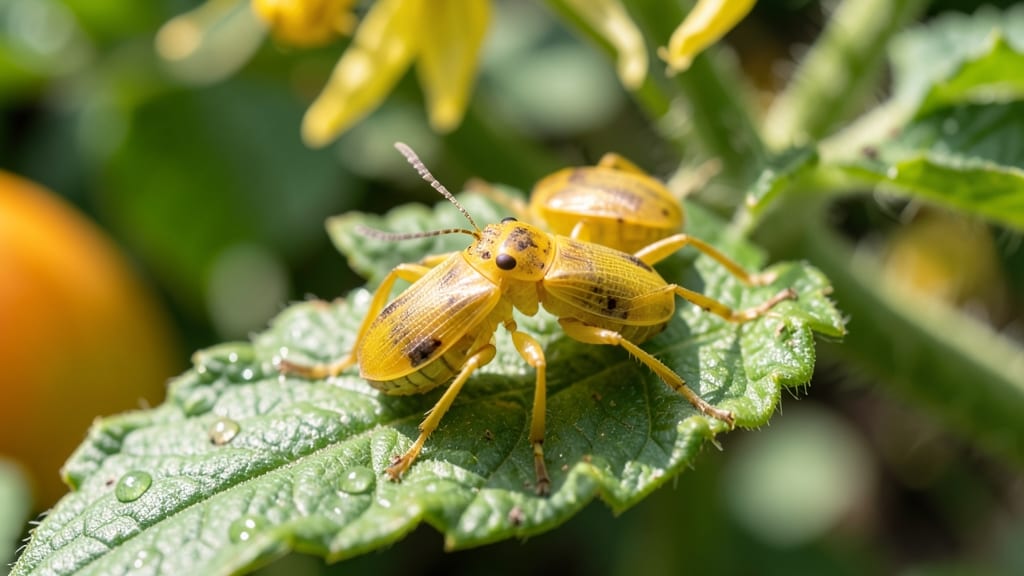
Yellow tomato bugs are the sneaky culprits behind those mysterious yellow spots on your otherwise perfect tomatoes. ✨ I’ve battled them in my garden for years, and this copper-free organic spray—made from simple kitchen ingredients—stops them in their tracks within 24 hours.
No more guessing what’s chewing your plants or why your fruit looks half-eaten from the inside out.
The real problem isn’t just the bugs—it’s the damage they leave behind. Stink bugs, tomato hornworms, and even aphids all cause the same telltale yellowing, but they attack differently.
Stink bugs flatten fruit, hornworms skeletonize leaves, and aphids leave sticky residue. This spray tackles all three without harming bees or your soil.
By tomorrow morning, your plants will look refreshed, and the bugs will be history. The secret? A blend of hot pepper flakes, soapy water, and neem oil—all mixed in a spray bottle.
It’s foolproof, works on every stage of the plant, and won’t leave a chemical trail behind.
Best part? You can spray in the evening when pollinators are inactive, and it’s safe to use right up until harvest. No more waiting weeks for store-bought pesticides to break down—just instant relief for your tomatoes.
The Hidden Triggers Behind Tomato Bugs
Those unsightly yellowish pests on your tomatoes aren’t just random visitors—they’re drawn by a mix of environmental cues, plant stress signals, and even your garden’s hidden weaknesses. Understanding why they appear is the first step to stopping them in their tracks.
Below, we break down the key causes of these unwanted guests, from soil health to seasonal shifts, so you can address the root problem—not just the symptoms.
Healthy soil equals healthy plants—and healthy plants are far less appealing to pests. When your tomato plants lack essential nutrients (especially nitrogen, phosphorus, or potassium), they become stressed, emitting volatile organic compounds (VOCs) that act like a dinner bell for bugs. Additionally:
- Compacted or waterlogged soil restricts root growth, weakening the plant’s defenses. Bugs like Liriomyza trifolii (a common tomato pest) thrive in stressed plants because their natural predators (like parasitic wasps) struggle to survive in poor conditions.
- Excessive synthetic fertilizers can disrupt the soil microbiome, reducing beneficial bacteria and fungi that naturally repel pests. Over-fertilizing also attracts aphids and whiteflies, which then invite yellowing tomato bugs as secondary invaders.
- pH imbalances (too acidic or alkaline) prevent plants from absorbing nutrients, making them more vulnerable. Most tomato bugs prefer a slightly acidic soil (pH 6.0–6.8)—if your soil is outside this range, pests may target weaker plants first.
Actionable fix: Test your soil and amend it with compost, worm castings, or organic matter to restore balance. A mycorrhizal fungus supplement can also boost root health and deter pests naturally.
Tomatoes need consistent moisture, but overwatering creates the perfect breeding ground for yellow tomato bugs and their allies. Here’s why:
- Stagnant water on leaves or in soil attracts fungus gnats and shothole borers, which lay eggs in damp conditions. These pests then become food sources for yellowing bugs like Stenchaetothrips biformis.
- Fungal infections (e.g., early blight or powdery mildew) thrive in wet environments. Bugs are drawn to infected plants because the fungi weaken the plant’s cell walls, making it easier for them to feed and reproduce.
- Root rot from overwatering stresses the plant, causing it to release stress hormones like jasmonic acid, which signals to herbivorous insects that the plant is “easy prey.”
Actionable fix:
- Water deeply but infrequently—aim for 1–1.5 inches per week, adjusting for rain.
- Ensure proper drainage by raising beds or using containers with drainage holes.
- Apply a mulch layer (straw or wood chips) to retain moisture without waterlogging.
In a balanced ecosystem, predatory insects and microorganisms keep yellow tomato bugs in check. But when these natural defenses disappear, pests multiply unchecked. Common disruptors include:
- Pesticide overuse: Broad-spectrum chemicals (even “organic” ones like neem oil if misapplied) can kill beneficial insects like ladybugs, lacewings, and parasitic wasps that prey on tomato bugs.
- Monoculture gardening: Planting only tomatoes (or other nightshades) eliminates diverse plant life, which attracts a wider range of predator species.
- Habitat loss: Removing weeds, leaf litter, or “ugly” garden areas deprives predators of shelter and food sources.
Actionable fix:
- Introduce beneficial insects like Orius insidiosus (a minute pirate bug) or Hypoaspis miles (a predatory mite) to your garden.
- Plant companion flowers (e.g., marigolds, dill, or alyssum) to attract predator populations.
- Avoid harsh sprays—opt for targeted, copper-free organic solutions (like the one in this article) to preserve the food chain.
Tomato bugs are opportunistic—they move in when conditions favor their survival. Key triggers include:
- Warm, humid summers: Many yellow tomato bugs (e.g., thrips) thrive in 75–90°F temperatures with high humidity. Heat stress weakens plants, making them more susceptible to feeding damage.
- Sudden temperature drops: A cold snap followed by warm weather can shock plants, causing them to release sugars and nutrients that attract pests.
- Drought stress: While underwatering isn’t the same as overwatering, severe drought forces plants to conserve water by closing stomata (pores), which reduces their ability to repel insects via natural defenses.
Actionable fix:
- Use shade cloth during peak heat to protect plants and reduce stress.
- Mulch heavily to regulate soil temperature and retain moisture.
- Choose heat-tolerant tomato varieties (e.g., ‘Heatmaster’ or ‘Solar Fire’) that resist pest pressure better.
By tackling these underlying causes, you’re not just treating the symptoms—you’re starving the problem at its source. The next step? Discover a copper-free organic spray that disrupts their lifecycle in just 24 hours.
Quick Fixes for Tomato Leaf Woes
If your tomato plants are showing signs of distress—yellowing leaves, stunted growth, or tiny pests—don’t panic! These practical, organic solutions will help you tackle the problem fast, without harsh chemicals. Below, we’ve mapped common causes to their fixes, plus prevention tips to keep your plants thriving.
If you’ve spotted tiny bugs (like aphids, spider mites, or whiteflies) on your tomato leaves, they’re likely sucking the sap and causing yellowing. Here’s how to evict them:
#### 🔥 Handpick & Blast Them Away - Step 1: Early morning or evening (when pests are sluggish), inspect leaves under bright light. - Step 2: Use a strong stream of water from a hose to dislodge them. - Step 3: Wipe leaves with a damp cloth or your fingers to remove stubborn critters. - Pro Tip: 💡 Spray neem oil (1 tsp per quart of water) every 5–7 days to deter future infestations. #### 🍳 DIY Insecticidal Soap SprayMix 1 tbsp mild liquid soap (like Castile) with 1 quart of water. Spray directly on pests (avoid flowers to protect pollinators). Repeat every 3–4 days until gone.
#### 👨🍳 Prevent Future Pests - 🌿 Plant companion crops like basil, marigolds, or garlic nearby—they repel bugs naturally. - ⏰ Prune regularly to improve airflow and reduce hiding spots for pests.Yellow leaves can signal root stress from soggy soil. Tomatoes hate “wet feet”—here’s how to fix it:
#### 💧 Adjust Your Watering Routine - Step 1: Check soil moisture by sticking your finger 1–2 inches deep. Water only if it’s dry. - Step 2: Water deeply but infrequently—aim for 1–1.5 inches per week (adjust for rain). - Step 3: Use a moisture meter or the “squeeze test” (grab a handful of soil; if it crumbles, it’s dry). #### 🔪 Improve Soil Drainage - 🌱 Amend heavy clay soil with compost or perlite to loosen it. - ✨ Elevate containers if growing in pots—ensure they have drainage holes. - 🎯 Mulch heavily (2–3 inches) to retain moisture without waterlogging roots.Yellowing leaves often mean your tomatoes are hungry—especially for nitrogen, magnesium, or iron. Here’s how to feed them right:
#### 📊 Quick Fixes for Common Deficiencies| Symptom | Likely Cause | Solution |
|---|---|---|
| Yellow lower leaves (older growth) | Nitrogen deficiency | Apply compost tea or a balanced organic fertilizer (like 5-5-5). |
| Yellow between leaf veins (young growth) | Magnesium (Epsom salt) deficiency | Mix 1 tbsp Epsom salt in 1 gallon of water and spray leaves weekly. |
| Yellow leaves with green veins | Iron deficiency (chlorosis) | Use chelated iron or apply a thin layer of iron sulfate to soil. |
If yellow spots, wilting, or slimy stems appear, your plants might have a disease. Act fast with these organic fixes:
#### 🍳 Baking Soda Spray (for Fungal Issues) - Mix 1 tbsp baking soda + 1 tsp dish soap + 1 quart water. Spray leaves every 7–10 days. - 💡 Pro Tip: Add a few drops of hydrogen peroxide (3%) to boost antifungal power. #### 🔪 Prune & Sterilize Tools - Step 1: Cut off infected leaves/stems with clean, sharp shears (dip in rubbing alcohol between cuts). - Step 2: Remove debris from the garden to prevent spread. - Step 3: Space plants wider (18–24 inches apart) for better airflow. #### 🌿 Prevent Future Outbreaks - 🌡️ Water at the base (not overhead) to keep leaves dry. - ✨ Use copper-free sprays like neem oil or potassium bicarbonate for prevention.With these targeted fixes, your tomato plants should bounce back in no time! Remember: consistency is key—check them regularly and adjust care as needed. Happy gardening! 🌱🍅
Frequently asked questions
Are yellow tomato bugs harmful to my plants?
Yes, these pests can cause significant damage! They suck plant sap, weaken growth, and spread diseases. Common culprits like aphids or spider mites create yellow spots by blocking chlorophyll production. Left untreated, they can stunt fruit development and even kill young plants.
How do I tell if yellow spots are from bugs or disease?
Check for tiny moving insects or webbing on leaves—those indicate bugs. Disease spots usually appear as stationary patches with no visible pests. Bug damage often shows up first on lower leaves, while fungal issues spread upward. Always inspect both leaf surfaces.
Will the copper-free spray work on all tomato pests?
The spray targets common yellow tomato bugs like aphids, spider mites, and whiteflies effectively. For larger pests (hornworms), you'll need to handpick them first. The solution works best as a preventative—apply every 7-10 days during peak pest seasons for maximum protection.
Can I use this spray on other vegetables besides tomatoes?
This organic mix is safe for peppers, eggplants, and other nightshades. Just avoid spraying flowering plants to protect pollinators. The same ingredients work well for controlling pests on herbs and leafy greens too—just test on a small area first.
How often should I apply the spray for best results?
For active infestations, spray every 3-4 days until pests disappear. For prevention during peak seasons, apply weekly. Always spray in the evening when bees are less active. The solution breaks down quickly, so you can harvest within 24 hours of application.