
Companion Plants
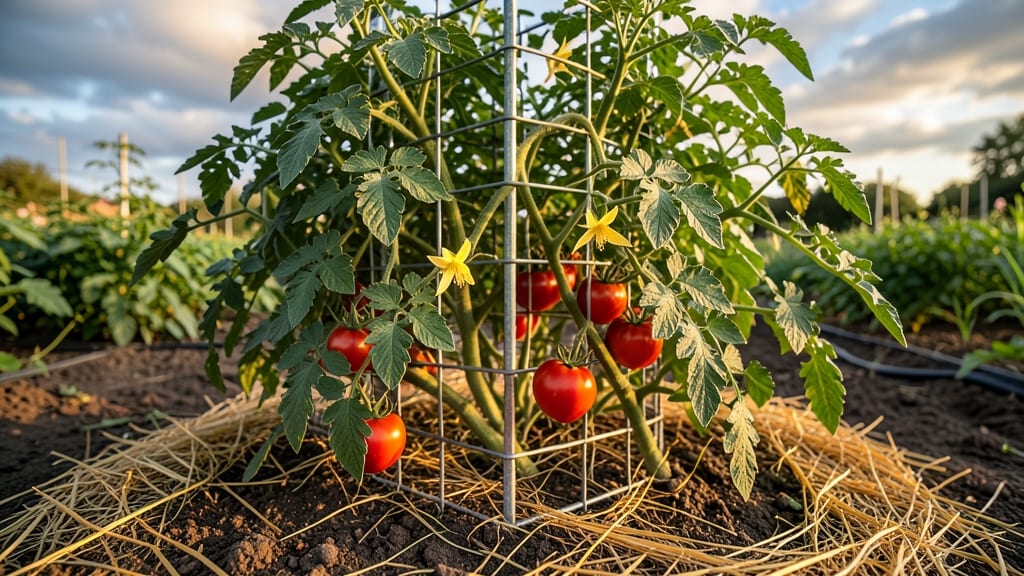
Growing Big Beef hybrid tomato plants means your garden could soon be the talk of the neighborhood—imagine 20-pound tomatoes that stay firm and delicious long after harvest. 🌱 I planted mine last spring, and by midsummer, the vines were heavy with beefsteak-sized fruits that kept producing until the first frost.
The secret lies in their disease resistance and vigorous growth, but only if you give them the right conditions. Start with full sun (at least 8 hours daily) and rich, well-draining soil mixed with compost.
These plants thrive in raised beds or containers too, making them perfect for small spaces or urban gardens. Water deeply once or twice a week, keeping the soil consistently moist but never soggy—this variety hates wet feet.
Prune regularly to encourage airflow and focus energy on fruit production, and feed with a balanced fertilizer every 3-4 weeks. By midseason, you’ll see robust vines covered in glossy green leaves and massive blooms that turn into those legendary tomatoes. The reward? Homegrown beefsteaks that outshine store-bought any day.
Whether you’re a first-time gardener or a seasoned grower, Big Beefs deliver reliable yields with less fuss than heirlooms. The key is patience—these plants take time to mature, but the payoff is worth every effort. Ready to grow your own giants?
📚 In This Guide
- What you need
- Instructions
- Tips and common mistakes
- Wrapping up and next steps
What you need
- ● Big Beef hybrid tomato seeds or seedlings: 2–4 plants (for a family-sized harvest). Opt for disease-resistant varieties like Big Beef (VFFN-resistant).
- ● Containers or garden beds: 5-gallon pots (1 per plant) or
- ● Deep garden beds (minimum 18" depth, 18" spacing between plants).
- ● High-quality potting mix: 10–15 lbs (sterilized, well-draining soil with compost). Avoid garden soil—it can harbor diseases!
- ● Fertilizer: Balanced organic fertilizer (10-10-10 or 5-5-5) or
- ● Slow-release tomato-specific granules (follow package rates).
- ● Tomato cages or stakes: 6–8 ft tall (2–3 per plant for support). Heavy-duty cages (like AeroGarden or Tomato Tower) work best.
- ● Mulch: Straw or black plastic (to retain moisture and suppress weeds).
- ● Hand trowel or transplanting spade (for planting).
- ● Watering can or hose with a gentle nozzle (avoid overhead watering to prevent disease).
- ● Pruning shears (for shaping plants and removing suckers).
- ● pH test kit (ideal soil pH: 6.0–6.8).
- ○ Compost or worm castings (boosts soil health—optional but recommended!).
- ● Shade cloth (if planting in hot climates; 30–50% shade during peak sun).
- ● Disease prevention: Copper fungicide or neem oil (preemptive spray if your area has fungal risks).
Step-by-step guide to growing disease-resistant Big Beef tomatoes
Here's how to coax those massive, flavorful fruits from your Big Beef plants—no fancy tricks, just proven techniques.
🌱 Step 1: Select and Prepare the Perfect Planting Site
Big Beef tomatoes thrive in full sun with at least 8 hours of direct light daily. Choose a location sheltered from strong winds—these plants grow top-heavy and need support. I always test soil drainage first by digging a hole, filling it with water, and timing how long it takes to drain. If it holds water beyond 30 minutes, amend with 2-3 inches of compost to improve drainage.
These hybrids love warmth, so wait until soil temperatures reach 60°F before transplanting. Cold soil delays root establishment and invites rot. You'll know it's ready when the ground feels warm to your bare hand at a depth of 2 inches. If your spring is cool, consider using black plastic mulch to warm the soil faster—it raises temperatures by 5-10°F and suppresses weeds.
🪴 Step 2: Plant Deeply and Stake for Support
Dig holes twice as deep as the root ball—this encourages stronger root systems. Remove the plant from its container and gently tease apart the roots if they're circling. Place the tomato in the hole so that only the top ⅓ of the stem remains above ground. The buried stem will develop new roots, creating a more stable plant.
Install a 6-foot stake or cage at the same time you plant. Drive it 12 inches deep to prevent toppling when the plant reaches maturity. I always tie the main stem to the stake with soft plant ties every 12 inches as it grows—this prevents stem damage and keeps the plant upright. Water deeply after planting to settle the soil around the roots.
☀️ Step 3: Maintain Consistent Water and Fertility
Water deeply 2-3 times per week to encourage deep root growth. You'll know you're doing it right when the top 2-3 inches of soil feel dry between waterings. Avoid overhead watering once flowers appear—wet foliage invites disease. Instead, use drip irrigation or water at the base early in the morning so leaves dry quickly.
Feed every 2-3 weeks with a balanced fertilizer (10-10-10) until flowers appear, then switch to a low-nitrogen, high-phosphorus formula (5-10-10) to boost fruiting. I mix in 1 tablespoon of Epsom salt every 4 weeks to prevent blossom-end rot—a common issue with Big Beef's heavy fruit loads. Watch for dark green leaves with purple undersides—this signals magnesium deficiency and means it's time to add more Epsom salt.
✂️ Step 4: Prune and Train for Maximum Yield
Remove suckers (the small shoots that form in the leaf axils) regularly to direct energy to fruit production. I prune suckers larger than 3 inches every 7-10 days—they compete with your main stems for nutrients. Leave 1-2 strong suckers near the bottom to create a bushier plant, but remove all others above the first flower cluster.
Pinch off the top set of leaves once the plant reaches your trellis height. This redirects energy to existing fruit rather than new growth. You'll see thicker stems and larger tomatoes as a result. Also, remove any leaves touching the soil to improve airflow and reduce disease risk. The goal is a clean, open plant with good air circulation.
🍅 Step 5: Harvest and Extend the Season
Pick tomatoes when they're fully colored and slightly soft to the touch. Big Beefs ripen unevenly, so check every 2-3 days during peak season. You'll know they're ready when the stem slips easily from the vine. Harvest in the morning when temperatures are coolest to preserve flavor and texture.
To extend your harvest, cover plants with frost cloth when nighttime temperatures dip below 50°F. These tomatoes are sensitive to cold, so protect them until the first hard frost. You can also prune back the plant after the first frost and move it to a greenhouse or bright indoor space for a late-season harvest. With proper care, a single Big Beef plant can produce 20+ pounds of tomatoes over its growing season.
Tips & tricks for thriving Big Beef tomato plants
These garden-tested strategies will help you coax those massive, flavor-packed tomatoes from your Big Beef hybrids.
Soil Preparation: The 30-minute drainage test is non-negotiable—waterlogged soil leads to root rot, which these heavy-fruited plants can't recover from. I've seen gardeners skip this step and lose entire plants by mid-summer. For clay-heavy soils, mix in 2-3 inches of compost and consider adding perlite or coarse sand to improve aeration. The goal is soil that drains like a well-worn hiking trail—not a swamp.
Transplanting Timing: Waiting for 60°F soil temperature at 2 inches deep is crucial, but I've learned to double-check with a soil thermometer when in doubt. Cold soil stresses plants, delaying fruiting by weeks. Pro tip: If your spring is cool, use black plastic mulch to raise soil temps by 5-10°F—it's a game-changer for early planting. Just remember to remove it before harvest to avoid soil contamination.
Support System: That 6-foot stake or cage needs to be installed at planting time—don't wait until the plant is already toppling. I've seen Big Beefs grow so heavy they snap their own stems if not properly supported. Drive stakes 12 inches deep and use soft plant ties every 12 inches up the stem to prevent damage. The goal is to create a "cradle" that holds the plant's weight without restricting growth.
Pruning Strategy: When removing suckers larger than 3 inches every 7-10 days, focus on those growing above the first flower cluster. These compete directly with fruit production. I've found that leaving 1-2 suckers near the base creates a bushier plant that can support more fruit. Always use clean, sharp pruners to prevent disease transmission through open wounds.
Pro Tips for Big Beef Hybrid Tomato Plants
- These garden-tested strategies will help you coax those massive, flavor-packed tomatoes from your Big Beef hybrids.
- Soil Preparation: The 30-minute drainage test is non-negotiable—waterlogged soil leads to root rot, which these heavy-fruited plants can't recover from.
- Transplanting Timing: Waiting for 60°F soil temperature at 2 inches deep is crucial, but I've learned to double-check with a soil thermometer when in doubt.
Frequently asked questions
Got questions about growing Big Beef hybrid tomato plants? You’re not alone!
Here are answers to the most common queries—from planting to troubleshooting—so you can grow those massive, juicy tomatoes with confidence.
When is the best time to plant Big Beef seeds or seedlings?
For warm climates, start seeds indoors 6–8 weeks before your last frost date (typically late winter/early spring). Transplant seedlings after soil temps hit 55°F+ and nighttime temps stay above 50°F. In cooler zones, opt for transplants from nurseries in late spring to avoid transplant shock. Big Beef loves heat but hates frost!
How long does it take for Big Beef tomatoes to produce fruit?
From seed, expect 70–85 days to maturity (harvest-ready), while transplants may fruit in 50–60 days under ideal conditions. Patience pays off—these giants need time to establish strong roots and vines before bearing those 1–2 lb monsters. Prune early suckers to redirect energy to fruit production!
What’s the ideal temperature range for Big Beef plants?
Big Beef thrives in 70–85°F daytime temps and 60–70°F nights. Below 50°F, growth slows; above 90°F, fruit may blossom drop or develop poor flavor. Use shade cloth (30–50%) during heatwaves and black plastic mulch to warm soil. Mulch also suppresses weeds and retains moisture!
Are Big Beef tomatoes truly disease-resistant? What should I watch for?
Yes! They’re bred to resist verticillium/wilt, fusarium, and nematodes, but early blight and bacterial spot can still strike. Prevent issues by:
- Spacing plants 3–4 feet apart for airflow.
- Avoiding overhead watering (use drip irrigation).
- Removing lower leaves to reduce humidity near soil.
- Rotating crops yearly to prevent soil-borne diseases.
Can I grow Big Beef tomatoes in containers? What’s the best setup?
Use a 5-gallon+ container (bigger = better) with drainage holes and a balanced fertilizer (like 10-10-10). Choose a self-watering pot or add coco coir to retain moisture. Train vines with a sturdy trellis or cage—these plants can get 6+ feet tall! Place containers in full sun (6+ hours/day) and fertilize weekly during fruiting.
Why aren’t my Big Beef tomatoes ripening? Troubleshooting tips.
If fruit stays green or small, check these fixes:
Issue
Solution
Cool temps (<55°F)
Use row covers or move pots to a warmer spot.
Not enough sunlight
Relocate to full sun (no shade!) or supplement with grow lights.
Overwatering
Let soil dry slightly between waterings; ensure proper drainage.
Nutrient deficiency
Fertilize with low-nitrogen, high-phosphorus (e.g., 5-10-10) when flowers appear.
If blossoms drop, hand-pollinate with a small brush or gently shake plants.
Wrapping up and next steps
Growing Big Beef hybrid tomato plants is a rewarding journey that delivers massive, disease-resistant harvests—perfect for gardeners dreaming of 20-pound tomatoes! 🍅 With the right companion plants, soil prep, and care, you’ll enjoy juicy, flavorful fruits all season long.
Whether you’re a beginner or a seasoned gardener, these giants are a game-changer for your garden.
Ready to take the next step? Start by planting your Big Beef seeds or seedlings this spring and watch your garden transform! 🌱 Grab your supplies and get growing—your future harvests will thank you!