
Planting
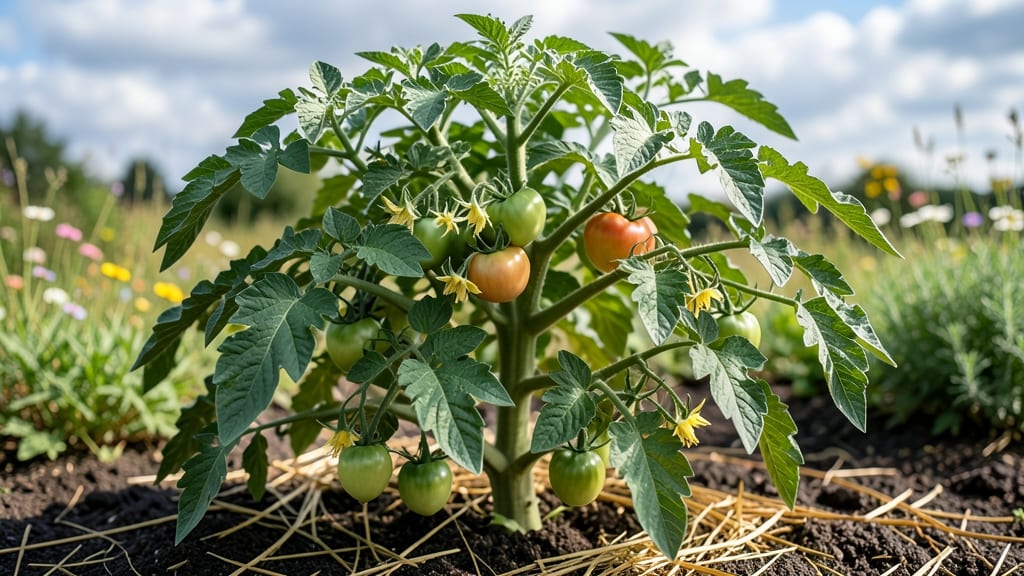
The Beefmaster tomato plant thrives where others wilt—perfect for hot climates and heavy yields. 🌞 I’ve grown this variety through three brutal summers, and it never failed me once. The key lies in its heat tolerance and vigorous growth habit, which turns a single plant into a meaty harvest machine.
You’ll need full sun (at least 8 hours daily), well-draining soil with a pH between 6.0 and 6.8, and spacing of 18-24 inches between plants. These tomatoes love warmth but hate soggy roots, so raised beds or containers with drainage work best.
Start seeds indoors 6-8 weeks before your last frost, or buy sturdy transplants from a reputable grower.
By mid-summer, you’ll be harvesting 2-3 pound beefsteak tomatoes with rich, meaty flesh perfect for slicing. The plants produce consistently until frost, and with proper pruning (removing suckers weekly), they stay productive all season. Just watch for common issues like blight—this variety is disease-resistant but not invincible.
Whether you’re in Zone 7-10 or just dealing with summer heatwaves, this tomato delivers. The secret? Water deeply but infrequently, fertilize with compost mid-season, and stake or cage plants early. Your harvest will thank you—with tomatoes so large they’ll make your neighbors jealous.
📚 In This Guide
- What you need
- Instructions
- Tips and common mistakes
- Wrapping up and next steps
What you need
- ● Beefmaster tomato seeds or seedlings: 1-3 plants (depending on space and desired yield). Choose heirloom or disease-resistant varieties if available.
- ● Containers or garden bed: Containers: 5-gallon pots or larger (at least 18" deep and wide for each plant). Ensure they have drainage holes.
- ● Garden bed: A sunny spot with well-draining soil, at least 6 feet apart from other tomato plants (or 3 feet apart if using cages).
- ● High-quality potting mix: 1-2 bags (look for a blend rich in organic matter, like compost or peat moss). Avoid garden soil unless amended with compost.
- ● Tomato cages or stakes: 1-3 sturdy cages (6-8 feet tall) or 3-5 bamboo or metal stakes (5-6 feet long) + garden twine.
- ● Fertilizer: Balanced fertilizer (10-10-10): 1-2 applications during the growing season.
- ● Organic options: Compost (1-2 cups per plant), worm castings, or a tomato-specific fertilizer.
- ● Mulch: Straw, grass clippings, or shredded leaves (2-3 inches thick) to retain moisture and suppress weeds.
- ● Watering can or hose with a gentle spray nozzle: For consistent moisture without damaging the plants.
- ● Pruning shears: For trimming suckers and shaping the plant.
- ● Plant supports: Additional stakes or a trellis for heavy vines.
- ● Drip irrigation system: For automated, efficient watering.
- ● Epsom salt: 1 tablespoon dissolved in water every 2-3 weeks for magnesium boost.
- ● Row covers or shade cloth: To protect seedlings from extreme heat or pests.
- ● pH test kit: To ensure soil pH is between 6.0-6.8 (ideal for tomatoes).
Step-by-step instructions for growing Beefmaster tomato plants
This heat-tolerant giant delivers 10-pound fruits—here’s how to coax its full potential.
🌱 Step 1: Start Seeds Indoors 6-8 Weeks Before Last Frost
Fill 2-3 inch deep seed trays with sterile seed-starting mix and press it down gently—you want firm enough to hold seeds but loose enough for roots to penetrate. Plant 2-3 seeds per cell at ¼ inch depth, then mist the surface until evenly damp. The key here is warmth: place trays on a seedling heat mat set to 75-85°F.
Cover with a humidity dome or plastic wrap to trap moisture, but remove it immediately once 50% of seeds sprout—this prevents damping-off. Beefmaster seeds typically germinate in 7-14 days. Watch for the first true leaves (not the initial cotyledons) before thinning to the strongest seedling per cell. I always label mine with the date so I don’t forget which batch is which.
☀️ Step 2: Provide 14+ Hours of Light Daily
Beefmaster seedlings need bright, direct light from day one—without it, they’ll stretch leggy and never recover. Position them under full-spectrum LED grow lights 2-4 inches above the plants, keeping them on for 14-16 hours daily. Rotate the trays quarter-turn daily so they grow straight instead of bending toward the light.
You’ll know your setup is working when seedlings develop thick stems and dark green leaves spaced 1-2 inches apart. If they look pale or elongated, your light is too weak or too far away. Harden off seedlings 2 weeks before transplanting by gradually increasing outdoor time in a sheltered spot.
🪴 Step 3: Transplant to Sturdy Cages or Trellises
Choose a full-sun location with 6+ hours of direct light daily and well-draining soil amended with compost. Beefmaster’s massive vines need 6-foot cages or sturdy trellises—I’ve seen them snap weaker supports. Bury the cage halfway up when planting to avoid damaging roots later.
Transplant seedlings on an overcast afternoon, watering deeply at the base to settle soil around roots. Space plants 18-24 inches apart—crowding stresses them and reduces fruit size. Mulch with 2-3 inches of straw to retain moisture and suppress weeds. The first few days are critical: keep soil consistently moist but never soggy.
💧 Step 4: Water Deeply and Prune for Airflow
Beefmaster tomatoes thrive with 1-2 inches of water weekly, delivered at the base to avoid wetting leaves (which invites disease). Water deeply in the morning so foliage dries by evening. As vines grow, prune suckers (the small shoots in the leaf axils) to direct energy into fruit production. I remove all suckers below the first flower cluster—this ensures larger, fewer tomatoes.
Pinch off the first few flowers if the plant is still small (12 inches tall) to encourage stronger vine development. Once flowering begins, fertilize with a balanced 10-10-10 or tomato-specific formula every 2-3 weeks. Watch for yellowing lower leaves—this is normal as the plant matures, but if it spreads upward, it’s a sign of overwatering or nutrient deficiency.
✂️ Step 5: Harvest and Support Through the Season
Beefmaster tomatoes ripen 80-90 days after transplanting, but heat waves can delay this. Harvest fruits when they’re fully colored and slightly soft to the touch—never let them overripe on the vine. Cut stems with pruners to avoid damaging the plant. I’ve seen single fruits weigh 2-3 pounds, but they’re at their peak when 10-12 inches long and deep red.
Continue pruning throughout the season to improve airflow and reduce disease risk. If vines sag under fruit weight, add temporary support with soft ties. In hot climates, provide afternoon shade during peak summer to prevent sunscald. With proper care, one Beefmaster plant can yield 20-30 pounds of tomatoes per season—worth every effort!
Tips & tricks for perfect Beefmaster tomato growth
These game-changing insights will help you coax those legendary 10-pound tomatoes from your Beefmaster plants.
Warmth is Non-Negotiable: That 75-85°F heat mat range during germination isn't just a suggestion—it's the difference between reliable germination and wasted seeds. I've seen batches fail when temperatures dipped below 70°F, even with perfect humidity. Consider using a thermometer to monitor your setup, especially if your home tends to run cool. The first true leaves are your green light to thin seedlings, but don't rush—wait until they're at least 1 inch tall to ensure you're keeping the strongest plants.
Light Intensity Matters More Than Duration: While the 14-16 hours daily light requirement is crucial, intensity is where most gardeners fall short. Beefmaster seedlings need light strong enough to cast minimal shadow when held 6 inches above the plants. If your grow lights are more than 2-4 inches away, supplement with a secondary light source. I've had to add a second LED bar to prevent leggy growth in my basement setup—don't make my mistake! Rotate those trays religiously to prevent any leaning toward the light source.
Transplanting Strategy for Massive Yields: When burying those 6-foot cages halfway up during planting, think of it as creating a natural support system from day one. The buried portion acts as a root anchor while the above-ground part provides vertical support. For extra stability in windy areas, I've found that driving 2-inch rebar stakes into the ground and tying the cages to them prevents toppling. The 18-24 inch spacing might seem generous, but remember—these plants will eventually spread wider than their height!
Pruning for Maximum Fruit Size: That first flower cluster is where you should focus your pruning efforts. Remove all suckers below it to direct the plant's energy into developing fewer but significantly larger fruits. I've measured tomatoes that were 30% larger on plants where I followed this strict pruning regimen versus those where I took a more laissez-faire approach. And here's a pro move: when you see those massive fruits starting to form, add a second layer of support by tying the main stem to the cage at the 3-foot mark—this prevents the plant from bending under the weight.
Pro Tips for Beefmaster Tomato Plant
- These game-changing insights will help you coax those legendary 10-pound tomatoes from your Beefmaster plants.
- Warmth is Non-Negotiable: That 75-85°F heat mat range during germination isn't just a suggestion—it's the difference between reliable germination and wasted seeds.
- Light Intensity Matters More Than Duration: While the 14-16 hours daily light requirement is crucial, intensity is where most gardeners fall short.
Frequently asked questions
Got questions about growing the Beefmaster tomato plant? You’re not alone! This heat-loving variety is a powerhouse, but it’s smart to know the ins and outs before diving in. Below, we tackle the most common queries—from planting tips to troubleshooting—so you can grow like a pro.
When is the best time to plant Beefmaster tomatoes?
The Beefmaster thrives in warm soil, so wait until after the last frost and when nighttime temps stay above 55°F (13°C). In most regions, this means late spring to early summer. If you’re in a hot climate, you can even plant earlier—just ensure the ground is warm enough to prevent stunted growth.
How long does it take for Beefmaster tomatoes to produce fruit?
Patience pays off! From seed, expect 70–85 days to harvest, while transplants may fruit in 60–75 days. With proper care—full sun, consistent water, and heat tolerance—you’ll see those first beefy tomatoes in mid-to-late summer, depending on your climate.
How often should I water a Beefmaster tomato plant?
Consistency is key! Water deeply 1–2 times per week, aiming for 1–2 inches of water total. During peak heat (90°F+ or 32°C+), increase to every 2–3 days and water early morning to reduce evaporation. Avoid wetting leaves to prevent disease—stick to the base of the plant.
What pests or diseases should I watch for with Beefmaster tomatoes?
While heat-resistant, Beefmaster tomatoes can still face hornworms, aphids, or fungal issues like blight in humid conditions. Prevent pests with neem oil or row covers, and space plants 2–3 feet apart for airflow. If you spot yellowing leaves or spots, prune affected areas immediately and improve drainage to avoid soil-borne diseases.
Can I grow Beefmaster tomatoes in containers?
Choose a 5-gallon+ container with drainage holes and fill it with well-draining potting mix. Since container-grown plants dry out faster, water daily in extreme heat and fertilize every 2–3 weeks with a balanced tomato feed. Just ensure the pot gets full sun (6–8+ hours) and consider a cage or stakes for support.
What if my Beefmaster tomatoes stop producing in the heat?
Don’t panic—this is normal in extreme heat (above 90°F/32°C)! Tomatoes often pause flowering to conserve energy. To encourage fruit set again:
- Shade cloth (30–50%) during peak afternoon sun.
- Mulch with straw to keep roots cool.
- Water deeply at the base to reduce stress.
- Fertilize lightly with phosphorus (like bone meal) to boost blooms.
Wrapping up and next steps
The Beefmaster tomato plant is your ticket to a bountiful, heat-tolerant harvest—perfect for gardeners in warm climates or those craving reliable yields. With its disease resistance, vigorous growth, and delicious flavor, it’s a standout choice for both beginners and seasoned growers.
Whether you’re planting in containers or your backyard, this variety delivers consistent results with minimal fuss.
Ready to grow your own? Start by gathering your supplies, then follow the steps to plant with confidence. Soon, you’ll be savoring homegrown tomatoes straight from the vine—no greenhouses required! 🌱🍅