
Planting
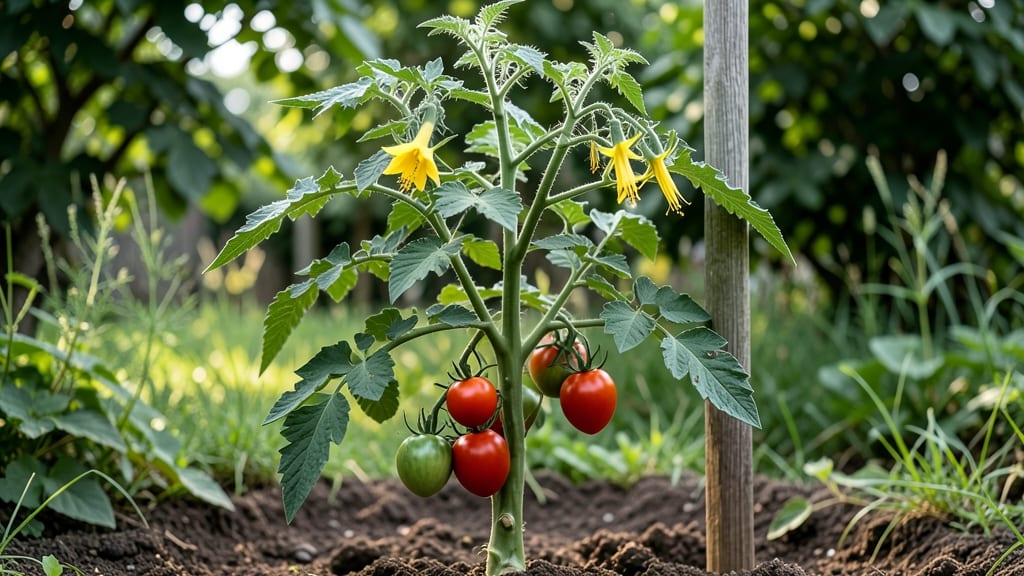
Growing tomato plants with those iconic banana legs means turning your garden into a jungle of vines and fruit. 🌿 These dramatic, sprawling varieties like 'Banana Legs' aren't just productive—they're a conversation piece, but they need the right support to thrive without snapping under their own weight.
The secret lies in sturdy trellising and strategic pruning to distribute weight while encouraging that signature vine growth. Unlike bush varieties, these need 8-10 feet of vertical space and a system that won't topple when loaded with fruit.
I've learned the hard way that cheap plastic stakes won't cut it—you need something substantial. You'll end up with pounds of sweet, meaty fruit that ripens all season long, plus lush foliage that adds drama to any garden.
The key is balancing growth and structure so the vines don't outpace their support system. Works for both backyard gardens and container setups with the right trellis. Here's how to make those banana legs work for you without the drama of collapsed plants.
📚 In This Guide
- What you need
- Instructions
- Tips and common mistakes
- Wrapping up and next steps
What you need
- ● Tomato seeds or seedlings: Choose a determinate variety (like 'Roma' or 'Celebrity') for manageable vertical growth. Quantity: 1–3 plants per vertical setup.
- ● Vertical trellis or support: Option 1: Banana leg trellis (DIY or store-bought) made of sturdy stakes (2–3 ft tall) and twine or burlap strips. Quantity: 3–5 stakes per plant.
- ● Option 2: Cage-free alternatives: A tomato tower (5–6 ft tall) or a wall-mounted trellis with hooks.
- ● Potting mix: High-quality, well-draining soil amended with compost. Quantity: 1–2 gallons per plant (or as needed for containers).
- ● Container or garden bed: Containers: 5-gallon buckets or fabric grow bags (with drainage holes). Quantity: 1 per plant.
- ● Garden beds: Raised beds or in-ground plots with at least 12–18" depth.
- ● Fertilizer: Balanced organic fertilizer (10-10-10) or tomato-specific feed. Quantity: Follow package instructions.
- ● Pruning shears or scissors: For trimming suckers and shaping vines.
- ● Garden twine or soft ties: To secure vines to the trellis. Quantity: 1–2 rolls.
- ● Watering can or hose with nozzle: For gentle watering (avoid wetting leaves).
- ● Mulch: Straw or shredded leaves to retain moisture. Quantity: 2–3 inches around the base.
- ○ Optional but helpful: Plant stakes or cages for backup support.
- ● Drip irrigation system for consistent watering.
- ● Shade cloth (if growing in hot climates).
- ● Sunlight: Full sun (6–8+ hours daily).
- ● Climate: Plant after the last frost (tomatoes are frost-sensitive!).
- ● Space: Vertical setup requires at least 3–4 ft of vertical clearance.
- ● Patience: Vertical training takes time—be ready to prune and guide vines weekly!
How to train banana legs tomato plants vertically
Here's the vertical gardening method I swear by for keeping those heavy tomato vines off the ground.
🪴 Step 1: Set Up Your Vertical Support System
Start with a sturdy 6-foot tomato cage or wooden trellis positioned where your plant will receive 6-8 hours of direct sun. I like to use cages because they're easy to assemble and provide built-in support for those banana legs. If using a trellis, make sure the spacing between rungs is about 12 inches apart—this gives the vines plenty of room to climb and branch.
Place your support structure right next to the planting hole before you put the transplant in. This prevents disturbing roots later when you're tying up vines. For extra stability, especially in windy areas, drive 2-foot stakes into the ground on either side of the cage and secure it with soft plant ties.
🌱 Step 2: Plant and Stake the Seedling Properly
Dig a hole just slightly deeper than the root ball of your tomato transplant. Gently remove the plant from its container and place it in the hole so the top of the root ball sits about 1 inch below soil level. This ensures the stem stays sturdy as it grows. Fill the hole with soil, pressing lightly around the base to eliminate air pockets.
Here's the thing—don't bury the entire stem. Only the bottom 1-2 inches should be underground. This prevents disease while still giving the plant stability. Immediately after planting, insert a 4-foot wooden stake next to the main stem, about 3 inches away. Tie the main stem to the stake using a soft cloth or plant tie, leaving some slack for growth.
✂️ Step 3: Prune and Guide Vines as They Grow
Once your plant reaches about 18 inches tall, start pruning the suckers—the little shoots that grow in the leaf axils. These banana legs can become a monster if left unchecked. Use clean pruning shears to snip them off just above the leaf where they emerge. You'll see the plant develop more lateral branches that produce fruit instead of just one long vine.
As new growth appears, gently weave the main vine and side shoots through the openings of your cage or trellis. Use soft plant ties or twist ties to secure them loosely—never tie too tightly, or you'll restrict growth. Watch for the vines to naturally curl around the structure; this is their way of climbing. When a vine reaches the top, pinch off the growing tip to encourage bushier growth lower down.
💧 Step 4: Water and Feed for Strong Vertical Growth
Water your banana legs tomato at the base, aiming for 1-1.5 gallons per week, depending on your climate. The key is consistency—let the top 2 inches of soil dry out between waterings to prevent root rot, but don't let it get bone-dry. I water in the morning so the foliage has time to dry out during the day, reducing the risk of fungal diseases.
Feed your plant every 2-3 weeks with a balanced, water-soluble fertilizer (10-10-10 or 20-20-20). I like to mix it into the watering can for even distribution. You'll notice the vines grow more vigorously and develop thicker stems when they're getting the right nutrients. Avoid over-fertilizing with nitrogen—this promotes leafy growth at the expense of fruit production.
☀️ Step 5: Monitor and Adjust for Optimal Vertical Growth
Check your plant weekly for signs of stress, like yellowing leaves or wilting vines. If you see leaves curling or turning yellow, it might be a sign of overwatering or nutrient deficiency. Adjust your watering schedule or add a balanced fertilizer to address the issue. Keep an eye out for pests like aphids or tomato hornworms—they love banana legs tomatoes too.
As the season progresses, you might need to adjust your support structure. If the vines get too heavy, add extra ties or even a second cage for support. I've had to reinforce my trellises with additional stakes when the fruit load becomes too much for the original structure. The goal is to keep the vines off the ground and prevent soil-borne diseases from splashing onto the fruit.
Tips & tricks for perfect vertical tomato growth
These simple strategies will help you master vertical gardening and keep those banana legs tomatoes thriving all season long.
Support System Stability: The 6-8 hours of direct sun requirement is non-negotiable, but placement matters just as much. Position your tomato cage or trellis so the afternoon sun hits it directly—this is when vines need the most support. I've found that placing the structure slightly north of the plant prevents afternoon shade from the plant itself. For extra stability in windy areas, bury the 2-foot stakes at least 6 inches deep and use soft plant ties that won't cut into the vines as they grow.
Pruning Precision: When you reach the 18-inch mark and start pruning those banana legs, here's what nobody tells you—cut at a 45-degree angle just above the leaf where the sucker emerges. This prevents water from pooling at the cut and causing rot. I also recommend sterilizing your pruning shears with rubbing alcohol between cuts to prevent disease spread. The goal is to keep 3-4 main stems growing vertically while encouraging lateral branches for fruit production.
Watering Wisdom: That 1-1.5 gallons per week guideline works great, but timing matters more than quantity. Water deeply in the morning so the foliage dries completely by evening—this dramatically reduces fungal diseases like early blight. I've seen plants with perfect vertical growth ruined by evening watering that kept leaves wet overnight. For containers, let the top 2 inches dry out completely before watering again, but never let the soil get bone-dry either.
Fertilizer Strategy: The 2-3 week feeding schedule is perfect, but here's the trick: alternate between balanced fertilizer and a low-nitrogen, high-phosphorus formula every other feeding. This shift encourages more fruit production instead of just leafy growth. I mix my fertilizer directly into the watering can for even distribution, but always water thoroughly afterward to prevent root burn. The key is consistency—never skip a feeding once you start.
Pro Tips for Banana Legs Tomato Plant
- These simple strategies will help you master vertical gardening and keep those banana legs tomatoes thriving all season long.
- Support System Stability: The 6-8 hours of direct sun requirement is non-negotiable, but placement matters just as much.
- Pruning Precision: When you reach the 18-inch mark and start pruning those banana legs, here's what nobody tells you—cut at a 45-degree angle just above the leaf where the sucker emerges.
Frequently asked questions
Got questions about growing banana legs tomato plants? You’re not alone! Here are some of the most common queries—plus quick, practical answers to keep your vertical vines thriving.
What exactly are "banana legs" on a tomato plant?
Banana legs (or determinate growth) refer to tomato plants that grow upward in a single, strong stem before producing fruit clusters. Unlike indeterminate varieties, they don’t keep growing indefinitely—ideal for vertical supports like stakes, trellises, or cages. Think of them as the "straight shooters" of the tomato world!
How long does it take for banana legs tomato plants to start producing fruit?
Most banana legs varieties mature in 60–85 days from transplanting, depending on the cultivar and climate. Early blooms may appear as early as 4–6 weeks after flowering, but consistent warmth (above 60°F) speeds things up. Pro tip: Prune suckers early to redirect energy to fruit production!
Can I grow banana legs tomatoes in containers? If so, what size pot do I need?
These plants thrive in containers as long as the pot is at least 12–18 inches deep and wide enough to support the root ball. Add a tomato-specific potting mix and a 5-gallon minimum for larger varieties. Just ensure the container has drainage holes to prevent root rot.
Why are my banana legs tomato leaves turning yellow?
Yellowing leaves (chlorosis) usually signal overwatering, nutrient deficiency, or poor drainage. Check the soil—it should be moist but not soggy. Test for nitrogen (N) or magnesium (Mg) deficiencies and amend with compost or Epsom salt. Pro tip: Yellow leaves at the bottom? It’s often natural aging. Top leaves turning yellow? Time to troubleshoot!
Are there alternatives to traditional stakes for banana legs tomato plants?
Yes! Try these space-saving supports:
- A-frame trellis: Sturdy and great for small gardens.
- Tomato cages (5–6 ft tall): Easy to install but may need reinforcement.
- PVC pipes or bamboo stakes: Budget-friendly and customizable.
- Wall-mounted planters: Perfect for urban growers!
Wrapping up and next steps
Growing banana legs tomato plants is a game-changer for small spaces and heavy vines—turning your garden into a vertical tomato paradise! 🌱 With the right support (like sturdy cages, trellises, or stakes) and a few clever pruning tricks, you’ll maximize yield, improve airflow, and keep your plants thriving.
The key? Start early, stay consistent, and don’t shy away from creativity—your tomatoes (and neighbors!) will thank you.
Ready to elevate your harvest? Grab your supplies, pick a sunny spot, and get planting! Next, try experimenting with companion plants like basil or marigolds to boost flavor and deter pests—happy gardening! 🌟