
Vegetables
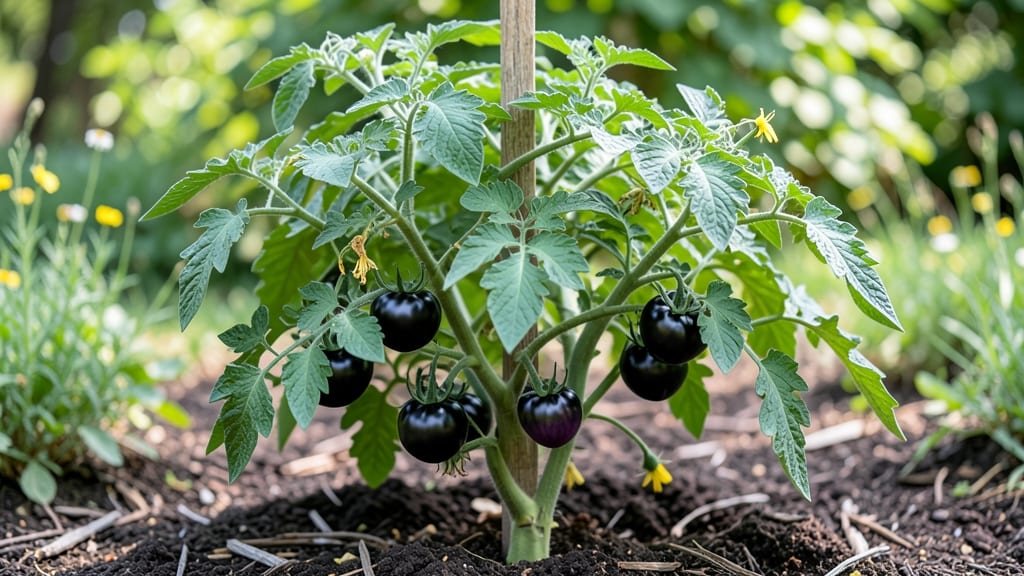
Growing Ananas Noire tomato seeds unlocks a deep purple-black fruit with honey-sweet flavor that tastes nothing like store-bought tomatoes. 🌱 I’ve saved seeds from this heirloom for years—it’s the only variety that turns my garden into a showstopper while delivering taste that makes neighbors ask, "What is that?"
The secret starts with patience: these seeds germinate slower than most, often taking 2-3 weeks in warm soil (70°F+). I’ve learned to soak them overnight in warm water first—it cuts that wait time nearly in half.
Once sprouted, they’re delicate, so I use small peat pots to avoid disturbing roots during transplant. By midsummer, you’ll harvest fruits that darken to near-black when ripe, with a flavor profile that’s sweet, smoky, and slightly tangy—like a cross between a tomato and a berry.
The plants themselves are compact (4-5 feet tall), making them perfect for containers or small spaces. Here’s the twist: saving seeds from these tomatoes requires letting a few fruits fully ripen on the vine (they won’t soften like red tomatoes).
Once dry, the seeds ferment naturally—this process ensures the next generation grows true to type. Ready to grow something extraordinary?
📚 In This Guide
- What you need
- Instructions
- Tips and common mistakes
- Wrapping up and next steps
What you need
- ● Ananas Noire tomato seeds – 1 packet (or saved seeds from a trusted source). Pro tip: 💡 Store seeds in a cool, dry place to keep them viable for years!
- ● Seed-starting mix – 10-12 oz (or a 10-inch tray of high-quality, sterile potting soil). Look for a mix labeled "seed-starting" or "organic potting soil."
- ● Planting containers – 4-6 small pots (2-3 inches deep) or a seed tray with cells. Reuse yogurt cups or egg cartons if you’re eco-friendly!
- ○ Grow lights or sunny windowsill – A grow light (optional but helpful) or a south-facing window with 6+ hours of sunlight daily.
- ● Spray bottle – For gentle watering (avoid soaking seeds!).
- ● Plastic wrap or humidity dome – To create a mini greenhouse effect while seeds germinate.
- ○ Fertilizer (optional but recommended) – A balanced, water-soluble fertilizer (5-5-5 or 10-10-10) for transplanting.
- ● Small hand trowel or spoon – For planting seeds without disturbing them.
- ● Labels & marker – To track your Ananas Noire seedlings (trust us, they’ll look different!).
- ○ Garden gloves – Optional but handy for messy soil or thorny plants.
- ○ Patience & warmth – Seeds germinate best in 70-85°F (21-29°C). A heat mat (optional) can speed things up!
- ● Coco coir or vermiculite – For extra moisture retention in seed-starting mixes.
- ● Fungicide spray – Like neem oil or a mild copper solution to prevent damping-off.
- ● Trellis or cage – Ananas Noire tomatoes grow large and heavy; support them early!
- ● pH test kit – To ensure your soil is slightly acidic (6.0-6.8) for optimal growth.
Step-by-step guide to growing Ananas Noire tomatoes from seed
This heirloom variety rewards patience with deep, rich fruit—here's how to coax those seeds into thriving plants.
🌱 Step 1: Prep Seeds for Maximum Germination
Ananas Noire seeds have a tough outer coating that slows germination. First, soak 10-15 seeds in lukewarm water for 24 hours—this softens the shell and speeds up sprouting. I use a small jar with a loose lid to prevent mold while keeping seeds submerged. After soaking, gently rub them between damp paper towels to break the coating further. You'll see tiny cracks appear within 12 hours.
Place the towel-wrapped seeds in a sealed plastic bag and store them in a warm spot (75-80°F). Check daily for moisture—keep the towels damp but not soggy. Germination typically occurs in 5-10 days, but be patient if your home runs cooler. The first sign is a tiny white root breaking through the seed coat—this is your cue to move quickly to soil.
🪴 Step 2: Start in Sterile Soil with Proper Spacing
Fill 2-3 inch deep biodegradable pots with a sterile seed-starting mix (never garden soil—it's too dense and may harbor diseases). Press the mix down lightly to remove air pockets, then create small ¼-inch deep holes with your finger. Plant 1-2 seeds per pot—thinning later prevents root disturbance.
Cover seeds with a thin layer of soil and mist gently with water until the surface feels damp. Place pots under a grow light or in a sunny window (6+ hours of light daily). Keep the soil consistently moist but never waterlogged—Ananas Noire seedlings hate soggy roots. You'll see the first true leaves (not the initial seed leaves) emerge in 2-3 weeks.
☀️ Step 3: Harden Off and Transplant After True Leaves Form
Once seedlings have 3-4 sets of true leaves, begin hardening them off. Start with 1 hour outside in a shaded spot, then gradually increase exposure over 7-10 days. Ananas Noire is sensitive to temperature swings, so avoid transplanting when nights dip below 55°F.
Choose a sunny spot with full sun exposure and well-draining soil. Space plants 24-36 inches apart—this variety grows large and needs room. Bury seedlings deeper than their original pots to encourage strong root development. Water deeply at the base immediately after transplanting to help roots establish.
✂️ Step 4: Prune and Support for Maximum Fruit Production
Ananas Noire benefits from pruning to direct energy toward fruit. Once plants reach 18 inches tall, remove the suckers (side shoots) that form in the leaf axils. Keep only the main stem and allow 2-3 secondary branches to develop—this creates a balanced plant. Use cages or stakes to support the heavy fruit clusters.
Pinch off the first flower cluster that appears. This delays fruiting until the plant is stronger and produces larger, more flavorful tomatoes. Watch for black fruit forming in 70-80 days—these ripen fully on the vine. Harvest when they're deep black and slightly soft to the touch. I always save a few seeds from the best fruits for next season!
Tips & tricks for growing Ananas Noire tomato plants
To get the most from these rare seeds, here's what I've learned after years of growing Ananas Noire—these tricks make all the difference between struggling seedlings and thriving plants.
Seed Preparation Matters: The 24-hour soak is non-negotiable for breaking that tough seed coat, but here's the secret: use filtered or distilled water instead of tap water if your area has high chlorine levels. I also add a pinch of hydrogen peroxide (1/4 teaspoon per cup of water) to prevent mold during the soaking process. After soaking, don't skip the towel-rubbing step—those tiny cracks you see at 12 hours are your signal to move to soil quickly before the seeds dry out.
Lighting is Everything: While 6+ hours of sunlight is ideal, most windows don't provide enough intensity. I use a simple LED grow light on a timer (14 hours on, 10 hours off) placed just 4-6 inches above the seedlings. The light should be bright enough that you can't see your hand through it when held beneath. If you notice seedlings stretching toward the light (a condition called legginess), lower the light immediately—this prevents weak stems that can't support themselves.
Transplanting with Care: When you bury seedlings deeper than their original pots, you're not just encouraging roots—you're creating a stronger plant. The buried stem will develop additional roots along its length, creating a more robust root system. I always water deeply right after transplanting, then let the soil dry slightly before watering again. This prevents waterlogged soil, which Ananas Noire seedlings particularly dislike.
Pruning Strategy: The 18-inch height mark is your cue to start pruning, but here's what nobody tells you: those suckers you remove aren't waste—save them! Place them in water to root, and you'll get additional plants. For the main stem, keep only 2-3 secondary branches to balance growth. I've found that plants with too many branches produce smaller fruit, so quality over quantity is key here.
Pro Tips for Ananas Noire Tomato Seeds
- To get the most from these rare seeds, here's what I've learned after years of growing Ananas Noire—these tricks make all the difference between struggling seedlings and thriving plants.
- Seed Preparation Matters: The 24-hour soak is non-negotiable for breaking that tough seed coat, but here's the secret: use filtered or distilled water instead of tap water if your area has high chlorine levels.
- Lighting is Everything: While 6+ hours of sunlight is ideal, most windows don't provide enough intensity.
Frequently asked questions
What makes Ananas Noire tomato seeds different from other heirloom varieties?
The seeds from Ananas Noire (Black Pineapple tomato) are prized for their high germination rate and the unique flavor they produce. Unlike hybrid seeds, these heirloom seeds are open-pollinated, meaning you can save them year after year for consistent results. Plus, the black fruit’s rich, smoky-sweet taste comes from careful seed selection by growers!
How long do Ananas Noire tomato seeds take to germinate?
Expect germination in 5–14 days under ideal conditions (70–85°F soil temp, moisture, and light). For faster sprouts, try soaking seeds in warm water for 24 hours before planting. Cold or dry soil? Germination may take 2–3 weeks. Patience pays off—these seeds are worth the wait!
Can I save seeds from Ananas Noire tomatoes I buy at the store?
Probably not! Store-bought tomatoes are often hybrids or treated to prevent seed viability. For reliable Ananas Noire seeds, buy from reputable seed banks (like Baker Creek or Seed Savers Exchange) or grow your own from certified organic seeds. If you’re unsure, ask the seller—heirloom seeds are a treasure!
Why are my Ananas Noire tomato seeds not sprouting?
Try these fixes if seeds are slow to germinate:
- Check moisture: Keep soil damp (not soggy) and use a humidity dome.
- Test temperature: Use a heating mat if your home is chilly.
- Inspect seeds: Discard any that look shriveled or moldy.
- Try scarification: Lightly sandpaper the seed coat to help water penetrate.
What’s the best way to store Ananas Noire tomato seeds long-term?
For maximum freshness, dry seeds completely (spread on paper towels for 3–5 days), then store in an airtight container with a desiccant packet in the fridge or freezer. Label with the date! Properly stored seeds stay viable for 3–5 years—perfect for sharing with fellow gardeners.
Pro Tip:
Need extra seeds? Let a few tomatoes fully ripen on the vine—the flavor deepens, and you’ll get the best seed quality. Bonus: The black skin adds a dramatic flair to your garden!
Wrapping up and next steps
Discovering Ananas Noire tomato seeds is like unlocking a hidden culinary gem! These heirloom seeds promise rich, fruity flavors and a stunning black fruit that’s as beautiful as it is delicious.
Whether you’re a seasoned gardener or a curious beginner, saving and growing these seeds is a rewarding adventure—just follow the tips shared here to ensure success.
Ready to grow your own black tomato treasure? 🌱 Start by planting those saved seeds this season and watch your garden transform into a flavor-packed paradise. Happy gardening!