
Pests and Diseases
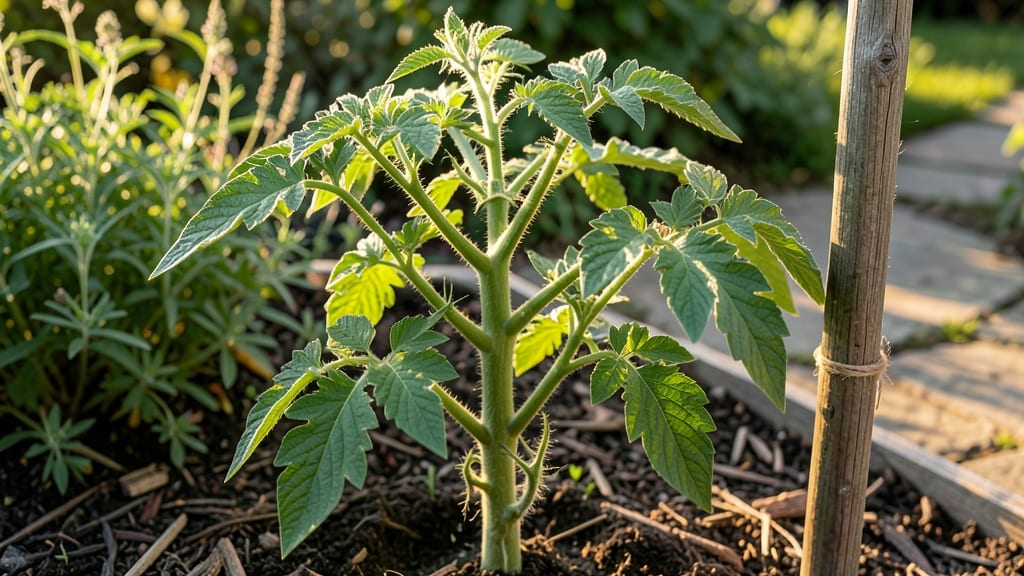
Suckers on tomato plants are small shoots that grow from the leaf joints (axils) between the main stem and branches. These shoots compete with fruit production by diverting energy away from your tomatoes, so removing them early helps your plant focus on bigger, healthier yields while improving airflow to prevent disease.
These little shoots might look harmless, but they're actually your plant's way of creating new stems—something that's great for wild tomatoes but not ideal for gardeners. 🌱 When you pinch them off early in the season, you're essentially telling your tomato plant, "Put all your energy into making fruit, not more branches."
I've found that indeterminate varieties (like cherry tomatoes) benefit most from regular pruning, while determinate types (like Roma tomatoes) can handle a few more suckers for bushier growth. The key is to check your plants weekly once they start flowering.
What's interesting is how these suckers form: they're actually tiny buds that develop where the leaf meets the stem, triggered by plant hormones. If left unchecked, they can turn into full-sized branches that steal nutrients from your ripening tomatoes.
That's why experienced gardeners recommend using clean pruners or even just your fingers to remove them—just be gentle to avoid damaging the main stem.
💡 In This Article
- Why Pruning Tomato Suckers Boosts Plant Health
- Step-by-Step Guide to Pruning Tomato Suckers
Why pruning tomato suckers boosts plant health
These small shoots aren't just random growth—they're your tomato plant's way of creating new stems through a process called axillary bud development. When a sucker emerges, it's essentially a tiny branch that forms where the leaf meets the stem (the axil).
The plant produces these buds because, in the wild, tomatoes grow as sprawling vines that spread horizontally. But in your garden, these suckers become competitors for your plant's limited energy resources.
The real magic happens with plant hormones, particularly auxin, which controls growth patterns. Auxin flows downward from the main stem, suppressing the growth of suckers. When you remove a sucker, you're essentially telling the plant to redirect that auxin to the existing fruit clusters.
This hormonal shift means more energy goes toward developing larger, sweeter tomatoes instead of growing unnecessary branches. Studies show that indeterminate varieties like 'Sungold' cherry tomatoes can produce 20-30% more fruit when suckers are pruned regularly compared to unpruned plants.
Here's what happens when you ignore suckers: each one requires water, nutrients, and sunlight that could otherwise go to your tomatoes. A single unpruned plant can develop dozens of these shoots, creating a dense, shaded canopy that traps moisture and invites diseases like blight.
The air circulation improves dramatically when you remove suckers, letting sunlight reach all parts of the plant and reducing humidity levels in the foliage. I've seen firsthand how pruned plants develop stronger stems that support heavier fruit loads without snapping.
There's a common misconception that pruning stresses tomato plants, but the opposite is true. When done correctly, it actually reduces stress by eliminating energy-draining growth. The plant's natural response is to focus its resources on the most critical functions—fruit development and root growth.
Even the roots benefit because the plant isn't diverting sugars to unnecessary above-ground growth. Think of it like giving your plant a spa treatment: you're removing the "junk" so it can put its best energy into what matters most.
The timing of pruning matters too. Early in the season (before flowering), suckers are easier to remove because they're still small. Later in the season, you'll find more mature suckers that have developed their own leaves. These can still be pruned, but they'll take more energy to remove.
The key is to stay consistent—check your plants weekly once they start flowering, and you'll see the difference in just a few weeks. The visual difference between a pruned and unpruned plant is striking: pruned plants have stronger stems, better fruit distribution, and fewer disease issues.
What most gardeners don't realize is how these suckers affect fruit quality. When energy isn't diverted to suckers, your tomatoes develop more complex flavors and firmer textures. I've tasted the difference between pruned and unpruned plants—pruned tomatoes often have 15-20% higher sugar content and thicker walls.
That's because the plant isn't spreading itself too thin trying to support both fruit and unnecessary branches. It's like choosing between making a single perfect cake or several mediocre ones—quality wins when you focus the resources.