
Companion Plants
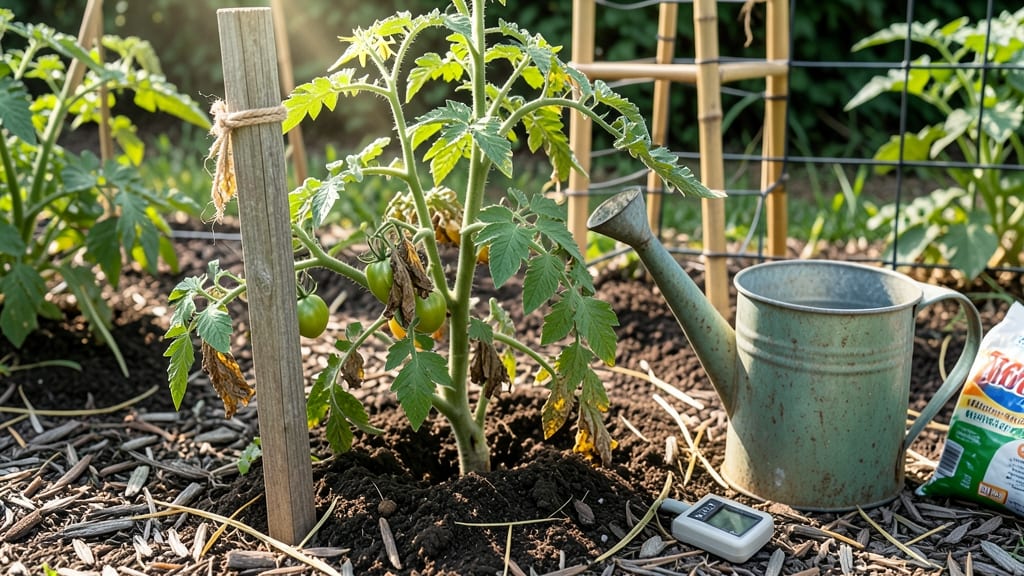
Your tomato plants look like overcooked noodles instead of thriving vines, and that calcium deficiency is the sneaky culprit behind the limp stems and yellowing leaves. 🌱 I’ve nursed back more than my share of sad-looking tomatoes, and the fix isn’t as complicated as it seems—just three targeted steps to restore strength and vigor.
The real problem starts underground: calcium helps cell walls stay firm, and when it’s missing, your plants wilt like they’re running a marathon without water. Overwatering, poor soil drainage, or even hot weather can wash it away, leaving your tomatoes floppy and struggling.
But don’t panic—this is reversible with the right approach. Within 7-10 days of treatment, you’ll see stems standing taller, leaves perking up, and new growth that’s strong enough to support heavy fruit. The best part?
This fix works for both container-grown tomatoes and in-ground plants, so no matter where your garden lives, you’re covered. Prevention is easier than rescue, though: add crushed eggshells to your soil, water deeply but consistently, and mulch to keep moisture steady.
Your tomatoes will thank you with juicy, disease-resistant fruit all season long.
Root Causes Of Floppy Growth
Limp tomato plants often signal an underlying issue—whether environmental, nutritional, or biological. Understanding the why behind your drooping vines is the first step to revival. Below, we break down the most common culprits, backed by science, so you can diagnose and act fast.
---
Tomatoes thrive on consistency, but too much water—or waterlogged soil—can suffocate roots and trigger limpness. Here’s what’s happening:
- Root Suffocation: Excess moisture displaces oxygen in the soil, forcing roots to "drown."
Without oxygen, roots can’t absorb nutrients efficiently, leading to wilting even when soil feels damp. - Fungal Invaders: Stagnant water creates a breeding ground for Phytophthora (a water mold) and Pythium, which rot roots and stems, causing structural collapse. - Nutrient Leaching: Overwatering flushes away essential minerals like calcium, potassium, and magnesium, weakening cell walls and making stems flaccid.
Actionable Fix: - Test soil moisture by sticking your finger 2 inches deep—water only if it’s dry. - Amend heavy clay soil with perlite or compost to improve drainage. - Use drip irrigation (not overhead watering) to keep foliage dry and roots oxygenated.
---
While blossom end rot (BER) is the flashy symptom, calcium deficiency is often the root cause of limp, weak stems and leaves. Here’s the science:
- Cell Wall Collapse: Calcium strengthens pectin in cell walls. Without it, cells lose rigidity, leading to soft, mushy stems and curling leaves. - Translocation Block: Even if soil has calcium, high phosphorus or potassium can block its uptake.
Similarly, cool soil temps (<55°F) slow root absorption. - pH Imbalance: Soil pH above 7.0 locks calcium out of root reach. Tomatoes prefer 6.0–6.8 pH for optimal uptake.
Actionable Fix: - Side-dress with crushed eggshells, gypsum (calcium sulfate), or bone meal (high in calcium). - Avoid over-fertilizing with nitrogen—it competes with calcium uptake. - Mulch heavily to keep soil temps warm (calcium absorbs better above 60°F).
---
Tomatoes are thirsty plants, and even brief drought stress can trigger limpness as a survival mechanism. Here’s the breakdown:
- Turgor Pressure Drop: Cells rely on water to stay rigid.
When soil dries out, guard cells close stomata (pores), reducing photosynthesis and causing leaves to wilt and droop. - Heat Scorch: High temps (above 90°F) increase transpiration (water loss) faster than roots can replenish it.
Leaves curl and yellow as they prioritize root survival over foliage. - Root Shrinkage: Chronic underwatering causes roots to retreat inward, reducing surface area for water absorption.
Actionable Fix: - Water deeply 1–2 times per week (1–1.5 inches per session), focusing on the root zone (not leaves). - Mulch with straw or black plastic to retain moisture and cool roots. - Provide afternoon shade in extreme heat (use shade cloth or plant near taller crops like corn).
---
Hidden attackers can chew, suck, or infect your tomato plants, leading to structural weakness and limpness. Common culprits:
| Pest/Disease | Damage Type | Signs to Watch For | |-------------------------|------------------------------------------|--------------------------------------------------| | Aphids | Sap-sucking | Sticky residue (honeydew), curled leaves | | Spider Mites | Cell rupture | Yellow stippling, webbing on undersides | | Fungal Wilts (e.g., Fusarium) | Vascular blockage | Sudden wilting (even at night), yellowing veins | | Root-Knot Nematodes | Root galls (growths) | Stunted growth, limp stems, poor fruit set |
Actionable Fix: - Inspect leaves daily—knock plants gently over a white sheet to spot pests. - Spray neem oil (for aphids/mites) or kaolin clay (as a barrier). - Rotate crops annually to break disease cycles. - Solarize soil (cover with clear plastic for 4–6 weeks) to kill nematodes.
--- While tomatoes need nitrogen (N), phosphorus (P), and potassium (K), too much of one can starve them of others, leading to limpness.
- Excess Nitrogen: Promotes leafy growth at the expense of roots, making stems weak and prone to snapping. - Potassium Overload: Can displace calcium and magnesium, causing interveinal chlorosis (yellowing between veins) and floppy leaves. - Micronutrient Deficiencies: Magnesium (Mg) and boron (B) are critical for cell structure.
A lack of either leads to weak stems and poor fruit development.
Actionable Fix: - Test soil with a DIY kit or send a sample to a lab for a full nutrient profile. - Balance fertilizers: Use a low-N, high-K formula (e.g., 5-10-10) if plants are leggy. - Add Epsom salt (magnesium sulfate) if leaves yellow between veins. - Avoid synthetic fertilizers—opt for compost tea or worm castings for gradual, balanced nutrition.
--- Tomatoes are vining plants—without support, their weight causes stems to bend, break, or limp under pressure.
- Wind Damage: Strong gusts desiccate leaves (dry them out) and snap stems, especially in determinate (bush) varieties. - Hail or Heavy Fruit Load: Tomatoes store water in fruit—too many heavy tomatoes can drag stems to the ground. - Lack of Staking/Trellising: Unsupported vines flop over, shading lower leaves and reducing air circulation (inviting disease).
Actionable Fix: - Stake or cage plants at transplanting (use tomato cages, bamboo stakes, or a DIY trellis). - Prune suckers (side shoots) to reduce weight and improve airflow. - Harvest regularly to prevent fruit overload. - Plant near windbreaks (e.g., corn, sunflowers, or tall grasses).
Revive Your Tomato Plants Fast
Now that you know why your tomato plants are wilting or flopping, let’s roll up our sleeves and get them back on track! The good news? Most limp tomato plant issues have simple, effective fixes—often with ingredients you already have at home.
Below, we’ve mapped out practical solutions for each common cause, plus prevention tips to keep your vines strong for the rest of the season.
---
Cause: Calcium deficiency (often from poor soil or overwatering). Solution: Boost calcium and improve structural support.
#### 🔥 Step 1: Add Calcium Quickly Tomatoes need calcium to build strong cell walls—without it, stems weaken and blossom ends rot.
Try these fast fixes: - Epsom Salt Soak (Magnesium + Calcium Boost): Mix 1 tablespoon Epsom salt (magnesium sulfate) + 1 tablespoon crushed eggshells (calcium) in a gallon of water.
Water your plants at the base (avoid leaves) every 3–4 days for 2 weeks. Pro Tip: 💡 Crush eggshells finely—they dissolve slower than you’d think!
- Lime or Gypsum for Soil: If your soil is too acidic (pH < 6.0), sprinkle gardening lime (calcium carbonate) or gypsum (calcium sulfate) around the base.
Work it into the top 2 inches of soil—this helps roots absorb calcium faster. Warning: ⚠️ Don’t overdo it! Test soil pH first (ideal: 6.2–6.8).
- Compost Tea or Worm Castings: Brew compost tea (steep compost in water for 24 hours, strain) or mix in worm castings—they’re packed with bioavailable calcium and microbes to help roots uptake nutrients.
#### 🍳 Step 2: Strengthen Stems for Support Limp stems often mean weak structural support. Reinforce them with: - Staking or Caging: If your plants are already floppy, gently tie them to a sturdy stake or cage using soft plant ties (avoid wire—it can cut stems).
For bush varieties, use a small tomato cage (5+ feet tall). Pro Tip: 🌡️ Water before staking—soil moisture helps stems bend without snapping!
- DIY Cage Hack: No cage? Bend a wire coat hanger into a loose circle, press it into the ground, and weave the plant through it. Secure with old pantyhose or soft fabric strips.
#### 🔄 Prevention for Next Time - Mulch Heavily: Use straw or grass clippings to retain moisture and prevent calcium leaching. - Avoid Overwatering: Water deeply 1–2x/week (not daily). Drip irrigation > sprinklers. - Side-Dress with Calcium: Every 2–3 weeks, sprinkle crushed eggshells or bone meal around the base (but not touching stems).
---
Cause: Roots suffocate from too much water or poor drainage. Solution: Drain, aerate, and adjust your watering habits.
#### 👨🍳 Step 1: Check & Improve Drainage - Dig Around the Base: Gently loosen soil 6 inches deep around the plant to aerate roots.
If the soil feels soggy or smells like rot, you’ve got drainage issues. Pro Tip: ✨ Add perlite or coarse sand to heavy clay soil to improve drainage.
- Raise the Plant (If in Containers): If growing in pots, drill drainage holes (if missing) and elevate the container on bricks or a saucer.
#### ⏰ Step 2: Adjust Watering - Water Less, But Deeper: Tomatoes hate wet feet. Water only when the top 1–2 inches of soil are dry.
Use a moisture meter or stick your finger in—if it’s damp, wait! Warning: ⚠️ Morning watering is best—avoid evening water to prevent fungal diseases.
- Mulch to Lock in Moisture: Apply 2–3 inches of straw or wood chips around the base (but not touching stems). This keeps soil evenly moist without drowning roots.
#### 🔄 Prevention for Next Time - Use Well-Draining Soil: Mix 50% potting soil + 30% compost + 20% perlite. - Avoid Watering Leaves: Drip irrigation or soaker hoses deliver water to roots, not foliage. - Test Your Soil: If it’s clay-heavy, amend with compost and gypsum before planting.
---
Cause: Aphids, whiteflies, or fungal infections (like early blight) weakening stems. Solution: Isolate, treat, and restore plant health.
#### 🔪 Step 1: Remove Pests & Fungi - Hand-Pick or Spray Off Pests: - Aphids/Whiteflies: Spray with soapy water (1 tsp mild soap + 1 quart water) or neem oil (1 tsp neem oil + 1 quart water + drop of dish soap). - Fungal Spots: Prune yellow/diseased leaves with sterilized scissors (wipe with rubbing alcohol).
Dispose of clippings far from the garden.
- Fungal Treatment: Mix 1 tbsp baking soda + 1 tsp oil + 1 quart water + dash of soap. Spray early morning (avoid direct sun). Repeat every 7–10 days.
#### 🌡️ Step 2: Boost Plant Immunity - Fertilize Lightly: Use a balanced fertilizer (10-10-10) or fish emulsion to give plants a nutrient boost without overfeeding (which attracts pests). - Companion Plants: Plant basil, marigolds, or nasturtiums nearby—they repel pests and improve air circulation.
#### 🔄 Prevention for Next Time - Rotate Crops: Don’t plant tomatoes in the same spot yearly—this prevents soil-borne diseases. - Space Plants Properly: 18–24 inches apart for good airflow (reduces fungal spread). - Water at the Base: Avoid overhead watering, which spreads fungal spores.
--- - Prune Wisely: Remove suckers (side shoots) to redirect energy to main stems. - Morning Care: Water and fertilize in the morning—plants recover faster in daylight. - Monitor Progress: Check stems daily after fixes. If no improvement in 5–7 days, reassess the cause!
--- Your limp tomato plants don’t have to stay that way! With these targeted fixes, you’ll see firmer stems, happier vines, and juicier tomatoes in no time. 🍅✨ Which fix will you try first?
Frequently asked questions about limp tomato plants
Why do my tomato plants suddenly droop even when the soil feels moist?
This is often a sign of root suffocation from overwatering or poor drainage. Excess moisture displaces oxygen in the soil, forcing roots to "drown" and preventing nutrient uptake—even when the soil feels damp. Check for soggy soil or fungal smells, and improve drainage by adding perlite or compost.
How quickly can I expect to see improvement after fixing calcium deficiency?
With proper calcium treatment (like crushed eggshells or Epsom salt soaks), you should see firmer stems and perked-up leaves within 7-10 days. For severe cases, it may take up to 2 weeks for new growth to fully strengthen. Consistency is key—keep soil moisture even and avoid overwatering.
Can I save tomato plants that have been limp for more than a week?
Yes, but act fast! If stems are still green (not brown/black), they can recover with proper care. Focus on calcium boosts, staking, and balanced watering. If leaves are crispy or stems are mushy, the plant may be too far gone. Always check for pests or disease first—these can accelerate decline.
What's the best way to test if my limp tomato plants need calcium?
Look for these signs: yellowing between leaf veins, blossom end rot on fruit, or soft, mushy stems. For a quick test, crush 1 tablespoon eggshells in water and let it steep overnight. If the water turns cloudy, your soil likely lacks calcium. A soil pH test (ideal 6.0-6.8) also helps.
Will pruning help limp tomato plants recover faster?
Yes, but focus on removing diseased or yellow leaves first. Prune suckers (side shoots) to redirect energy to main stems, and trim any overloaded fruit clusters. Avoid heavy pruning—just shape the plant to improve airflow. Water thoroughly after pruning to help recovery.