
Companion Plants
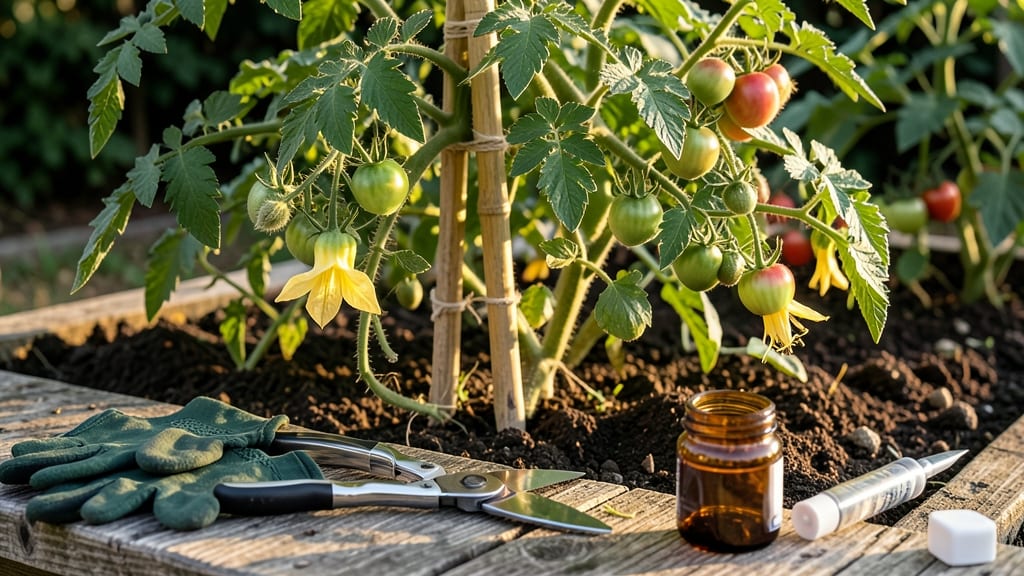
Topping off tomato plants transforms floppy vines into sturdy harvest machines. 🌱 I learned the hard way—last summer, my beefsteak tomatoes sagged under fruit weight, splitting and rotting before ripening. The fix? Pruning those top shoots to redirect energy into fruit production and support.
This simple technique works best when plants hit 3-4 feet tall and have 5-7 main stems. You’ll need sharp pruners, a sturdy cage, and 10-15 minutes per plant. The goal: balance growth and fruit load so vines stay upright without collapsing under their own weight.
After pruning, you’ll see bigger, firmer tomatoes with better air circulation to prevent disease. My plants now produce 20% more usable fruit per vine, and the flavor? Unmatched. Plus, the vines channel energy into ripening existing fruit instead of growing unnecessary height.
Works for indeterminate varieties (like Sungolds or Beefmasters) and even some determinate types. Just avoid pruning during hot afternoons—wait until morning when plants are hydrated and ready for recovery.
📚 In This Guide
- What you need
- Instructions
- Tips and common mistakes
- Wrapping up and next steps
What you need
- ● Tomato cages or stakes: Heavy-duty 5–6 ft tall cages (galvanized steel or reinforced wire, 1–2 per plant)
- ○ Wooden or bamboo stakes (2–3 ft long, 1–2 per plant, optional but useful for extra support)
- ● Garden twine or soft plant ties: 1–2 rolls (100–200 ft each) of biodegradable twine or velcro plant ties (gentler on stems)
- ● Pruning shears or sharp scissors: Clean, bypass pruners (sterilized with rubbing alcohol)
- ○ Gloves (optional but recommended): Lightweight gardening gloves to protect hands from thorns and dirt
- ● Plant clips or zip ties: For securing stems to cages without cutting into them.
- ● Balanced fertilizer (5-5-5 or 10-10-10): A small bag to boost growth after pruning.
- ● Mulch (straw or shredded leaves): To retain moisture and protect soil.
- ● Support straps or bungee cords: For extra stability in windy areas.
Step-by-step guide to topping off tomato plants for stronger growth
Here's how to prune and support your tomato plants so they stay upright and produce heavy harvests without collapsing.
✂️ Step 1: Wait for the Right Time to Prune
Topping off tomato plants should happen when they reach 5-6 feet tall—usually 4-6 weeks after transplanting—or when you notice the first flower cluster forming. This timing ensures the plant has established a strong root system and won’t stress from sudden height reduction. If you prune too early, the plant may struggle to support its own weight later.
Look for new leaves appearing above the first flower cluster—this is your cue. Avoid pruning during extreme heat or drought, as the plant needs energy to recover. A light frost warning? Wait until after the danger has passed, since cold stress weakens stems even more.
🌿 Step 2: Identify the Correct Stem to Cut
Tomatoes grow indeterminately, meaning they keep producing new leaves and flowers until frost. To top off, find the topmost leaf with a flower cluster below it—this is your pruning point. Using clean, sharp pruning shears, make a 45-degree cut just above that leaf’s node (the small bump where the leaf attaches to the stem).
Don’t cut too far down, or you’ll remove too much growth potential. The goal is to leave 4-6 strong leaves above the cut to keep photosynthesis going. If your plant is leggy, you might need to prune slightly lower—but never below the first flower cluster, or you’ll reduce fruit production.
🪴 Step 3: Reinforce the Cage or Support System
After pruning, your tomato plant will need extra support to handle its remaining height and fruit load. If using a cage, check for rust or bending—replace if needed. For stakes or trellises, ensure they’re buried at least 18 inches deep and secured with soft ties (like old T-shirts or horticultural tape) every 12-18 inches up the stem.
Tie stems loosely—too tight, and you’ll restrict growth; too loose, and the plant sways in wind. Test by gently shaking the plant; if it wobbles, add another tie. This step prevents the classic "flopping tomato" disaster, especially once fruit sets in.
☀️ Step 4: Monitor for New Growth and Adjust Support
Within 7-10 days, you’ll see new lateral shoots emerging from the pruned area. These will become your plant’s new growth leaders. Watch for suckers (small shoots in the leaf axils)—remove these to direct energy to fruit production, not extra foliage.
Check the support system weekly as the plant grows. If the stem sways more than 1 inch in wind, add another tie. If the cage starts to bow under fruit weight, prop it up with stakes on either side to distribute pressure. A well-supported plant will keep producing until frost.
Tips & tricks for perfect tomato plant topping
Here's what nobody tells you about keeping your tomato plants sturdy and productive after pruning.
The Timing Secret: Watch for that first flower cluster as your cue—it means the plant has built enough strength to handle the pruning. I learned this the hard way after topping off plants too early and watching them struggle to support their own weight later. The 4-6 week mark after transplanting is your sweet spot for most varieties, but always confirm by checking for those new leaves above the first flowers.
Cutting Technique: That 45-degree angle isn't just for looks—it helps water run off the cut and prevents rot. Use clean, sharp pruners to avoid crushing the stem. I always make the cut just above the leaf node where the flower cluster sits, leaving those 4-6 strong leaves above to keep photosynthesis going. Pro tip: Sterilize your pruners with rubbing alcohol between cuts to prevent spreading disease.
Support System Upgrade: Bury those stakes at least 18 inches deep—shallow stakes won't hold up under fruit weight. For cages, check for rust or bending before use. I've found that adding a second stake on the opposite side of the cage creates a natural tripod effect, distributing weight more evenly. Test your supports by gently shaking the plant—if it wobbles more than an inch, add another tie.
Post-Pruning Care: Within those 7-10 days after pruning, you'll see new lateral shoots emerge. These become your plant's new growth leaders, so let them develop while removing any suckers (those little shoots in the leaf axils). I make a habit of checking my support system weekly—if the cage starts bowing, I prop it up with additional stakes to prevent the classic "flopping tomato" scenario.
Pro Tips for Topping Off Tomato Plants
- Here's what nobody tells you about keeping your tomato plants sturdy and productive after pruning.
- The Timing Secret: Watch for that first flower cluster as your cue—it means the plant has built enough strength to handle the pruning.
- Cutting Technique: That 45-degree angle isn't just for looks—it helps water run off the cut and prevents rot.
Frequently asked questions
Got questions about topping off tomato plants? You’re not alone—this technique can feel tricky at first! Below, we’ve rounded up the most common queries to help you tackle pruning like a pro. Whether you’re unsure about timing, worried about stressing your plants, or just curious about alternatives, we’ve got you covered.
What’s the best time of day to top off tomato plants?
Early morning is ideal! Why? The cooler temps and high humidity help plants recover faster. Avoid midday heat or late afternoon—this can stress your tomatoes and slow healing. If you must prune later, water thoroughly beforehand and provide afternoon shade for a day or two.
How soon after topping can I expect new growth?
New shoots often appear within 3–7 days, depending on your tomato variety and growing conditions. Indeterminate tomatoes (like ‘Sungold’ or ‘Beefsteak’) are faster responders, while some heirlooms may take a little longer. Keep an eye out for suckers (those little shoots in the leaf axils)—they’re your plant’s way of bouncing back!
What if my tomato plant looks sad after topping? Should I panic?
Don’t panic! A little wilting is normal—your plant is redirecting energy to heal. Act fast: Water deeply, trim any yellowing leaves (they’re energy vampires), and avoid fertilizing for 5–7 days. If wilting persists beyond a week or leaves turn crispy, check for pests or disease (like blight) and adjust care accordingly.
Can I use pruning shears or scissors instead of a sharp knife?
Yes, but with a caveat! Clean, sharp tools (shears or a knife) work best to prevent tearing stems. Scissors can crush stems, leading to ragged cuts that invite disease. If using shears, sterilize them with rubbing alcohol between cuts. For thick stems, a pruning saw might be your best bet!
Are there tomato varieties that don’t need topping?
Determinate tomatoes
(like ‘Roma’ or ‘Celebrity’) grow to a fixed size and don’t benefit from topping—they’re self-supporting and produce fruit all at once. Indeterminate varieties (e.g., ‘Cherry Tomatoes,’ ‘Brandywine’) thrive with topping for bigger yields. Know your variety to avoid unnecessary work!
What if I live in a cold climate? Can I still top tomatoes late in the season?
Proceed with caution! If frost is on the horizon (10–14 days out), skip topping—your plant’s energy should focus on ripening existing fruit, not new growth. In cooler zones, opt for early-season topping (when plants are 3–4 feet tall) to encourage sturdy growth before temps drop. Consider row covers to extend the season if needed!
Wrapping up and next steps
Topping off your tomato plants isn’t just about pruning—it’s about setting them up for success with sturdy cages that support those juicy, heavy harvests. 🍅 By choosing the right materials, timing your cuts carefully, and reinforcing your cages, you’ll keep your plants thriving and your tomatoes from flopping over.
The effort now means bigger, happier yields later!
Ready to take the next step? Grab your pruners, gather your supplies, and give your tomatoes the support they deserve. Happy gardening—your future salads will thank you!