
How To
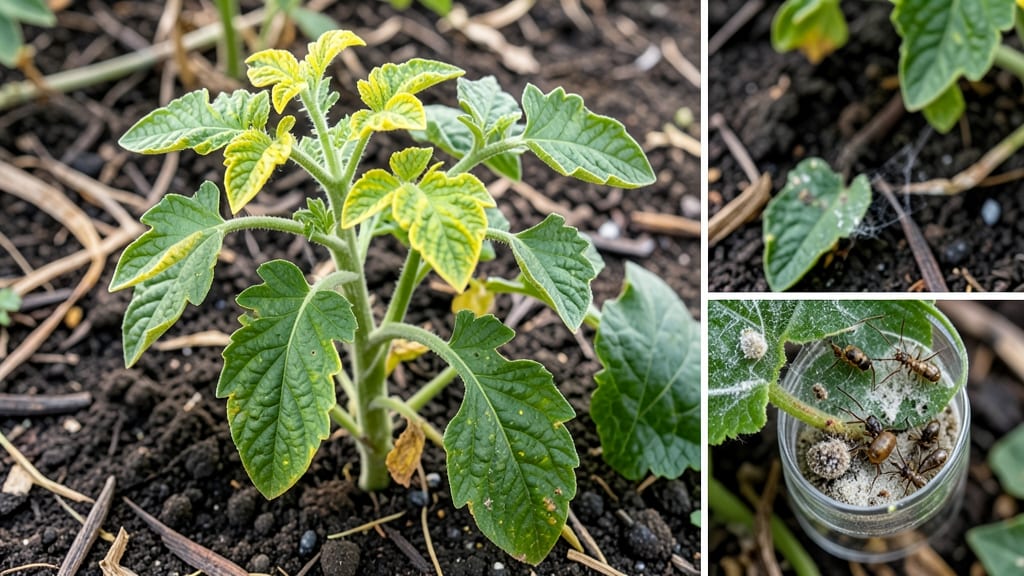
Tomato leaves curling can turn your thriving plants into sad, wilted shadows—unless you act fast. 🌱 I’ve seen early blight, aphids, and even overwatering ruin a season’s worth of work, but copper spray has saved my tomatoes time and again when other treatments failed.
The first step is identifying the culprit: check for brown spots (early blight), sticky residue (aphids), or yellowing between veins (nutrient issues). Copper spray works best for fungal diseases like blight—it creates a protective shield that prevents spores from taking hold.
For pests, a strong spray knocks them off leaves while still combating fungal risks.
You’ll notice leaves staying firm and green within a week of treatment, with new growth free of curling. The key is consistency: apply copper spray every 7–10 days during wet seasons, and always spray undersides where fungal spores hide.
Works for both organic and conventional gardens, and the same approach prevents blight in peppers and potatoes. Here’s how to make it work for your plants—no more sad, curled leaves!
Root Causes Behind Leaf Distress
When your tomato plants start showing signs of leaf curling, it’s often a cry for help from the plant itself. Understanding the underlying triggers is the first step toward fixing the problem.
Below, we break down the most common culprits—each with a distinct "signature" that can help you diagnose the issue accurately.
Tomatoes are tropical plants at heart, but they can’t handle extreme heat or sudden temperature swings without protesting. When daytime temperatures soar above 90°F (32°C) or nighttime temps dip below 50°F (10°C), leaves respond by curling inward. This protective mechanism helps reduce water loss and prevent wilting.
🔍 How to spot it:
- Curling occurs uniformly across the plant, not just on one side.
- Leaves may also appear dull or slightly scalded on the edges.
- Symptoms worsen in afternoon heat and improve in cooler conditions.
💡 Actionable fix:
- Provide shade cloth (30-50%) during peak sun hours to lower leaf surface temperatures.
- Water deeply in the morning to encourage root uptake and cooling.
- Use mulch (straw or grass clippings) to insulate roots and retain moisture.
- Avoid over-fertilizing with nitrogen, which can increase heat sensitivity.
⚠️ Watch out: If curling persists even with temperature control, heat stress may be masking a pest or disease—check for secondary issues.
While tomatoes love consistent moisture, soggy roots can trigger curling as the plant struggles to absorb oxygen. Overwatering disrupts root function, leading to nutrient deficiencies and fungal infections like Phytophthora, which often manifest as curled, yellowing leaves.
🔍 How to spot it:
- Curling is paired with yellowing (chlorosis) between leaf veins.
- Soil feels muddy or smells sour when checked.
- Leaves may droop slightly even when soil is wet.
💡 Actionable fix:
- Let the top 1-2 inches of soil dry out between waterings—stick your finger in to test.
- Improve drainage by amending soil with perlite or compost.
- Ensure pots or garden beds have drainage holes and elevate containers.
- If fungal infection is suspected, apply a copper fungicide spray (like the one in this article!) to prevent spread.
✨ Pro tip: Drip irrigation with a timer is far better than overhead watering—it delivers moisture directly to roots without wetting leaves, reducing fungal risks.
Tiny pests like aphids, spider mites, and whiteflies suck sap from tomato leaves, causing them to curl, pucker, or distort. These pests thrive in hot, dry conditions and often go unnoticed until damage is visible.
🔍 How to spot it:
- Curling is often localized to new growth or the undersides of leaves.
- Look for sticky residue (honeydew) on leaves or nearby surfaces.
- Use a magnifying glass to spot tiny webs (mites) or clustered bugs (aphids).
💡 Actionable fix:
- Blast pests off with a strong spray of water (early morning works best).
- Introduce beneficial insects like ladybugs or lacewings to control populations naturally.
- Apply neem oil or insecticidal soap (follow label instructions).
- For severe infestations, use pyrethrin-based sprays (organic) or systemic insecticides (synthetic).
🎯 Prevention tip: Yellow sticky traps placed near plants can catch adult whiteflies before they lay eggs.
Fungal pathogens like Alternaria solani (early blight) or Phytophthora infestans (late blight) thrive in humid, warm conditions and cause leaves to curl, brown, and die. These diseases spread rapidly and can devastate a crop if untreated.
🔍 How to spot it:
- Curling is paired with dark spots (early blight) or greasy-looking lesions (late blight).
- Spots may have concentric rings (Septoria) or irregular edges.
- Leaves often crisp and fall off as the disease progresses.
💡 Actionable fix:
- Remove and destroy infected leaves immediately to prevent spread.
- Apply a copper-based fungicide (like copper hydroxide) every 7-10 days as a preventive measure.
- Improve air circulation by pruning crowded foliage and spacing plants properly.
- Avoid watering leaves—use drip irrigation instead to keep foliage dry.
🔥 Emergency tip: If late blight is confirmed, isolate the plant and treat the entire garden with fungicide to stop the outbreak.
Tomatoes are heavy feeders, and deficiencies in key nutrients can cause leaves to curl as the plant struggles to maintain cellular function. Potassium (K) and magnesium (Mg) are particularly critical for leaf structure and disease resistance.
🔍 How to spot it:
- Potassium deficiency: Curling starts at leaf edges, which turn brown and crispy ("scorch").
- Magnesium deficiency: Interveinal yellowing (chlorosis) between veins, with curling in severe cases.
- Zinc deficiency: New leaves are small, curled, and distorted ("little leaf" syndrome).
💡 Actionable fix:
- Conduct a soil test to identify specific deficiencies.
- For potassium, use a balanced fertilizer (10-10-10) or wood ash (sparingly
Fixing Curled Tomato Leaves Fast
If your tomato plants are showing signs of curled leaves, don’t panic—there’s a solution for every cause! Whether it’s pests, disease, or environmental stress, these targeted fixes will help your plants bounce back.
Below, we’ve mapped the most common culprits to their fixes, along with prevention tips to keep your tomatoes thriving.
Curling leaves with yellow spots or brown patches? Early blight or fungal blight is likely the culprit. Copper-based fungicides are a powerful, organic-friendly defense.
#### 🍳 Step-by-Step Fix: 1. Choose Your Copper Spray – Pick a liquid copper fungicide (like Copper Soap or Bordeaux Mixture). 2. Apply at Dawn or Dusk – Avoid spraying in direct sunlight to prevent leaf burn. 3. Cover All Surfaces – Focus on the undersides of leaves (where spores hide) and stems. 4. Reapply Every 7–10 Days – Consistency is key until new growth appears. #### 💡 Prevention Tips: - Rotate Sprays – Alternate copper with neem oil or baking soda spray to avoid resistance. - Remove Infected Leaves – Prune and destroy diseased foliage immediately. - Improve Airflow – Space plants 18–24 inches apart to reduce humidity buildup.Tiny pests like spider mites or aphids can cause curling by sucking sap. A strong spray will knock them out fast.
#### 🥘 Step-by-Step Fix: 1. Rinse Off Pests – Spray plants with a strong stream of water to dislodge mites/aphids. 2. Use Insecticidal Soap – Mix 1 tbsp mild soap (like Castile soap) with 1 quart water. Spray thoroughly. 3. Neem Oil Spray – For stubborn infestations, apply neem oil (1 tsp per quart of water) every 5–7 days. 4. Introduce Beneficial Bugs – Ladybugs and lacewings eat aphids naturally! #### 🎯 Prevention Tips: - Keep Plants Hydrated – Spider mites thrive in dry conditions; water deeply 2–3 times a week. - Yellow Sticky Traps – Place near plants to catch flying pests early. - Avoid Over-Fertilizing – Too much nitrogen attracts aphids.Curling from environmental stress? Your plants may be too hot or waterlogged. Fixing the conditions is the fastest solution.
#### ⏰ Step-by-Step Fix: 1. Check Soil Moisture – Stick your finger 1–2 inches deep; if soggy, reduce watering. 2. Provide Shade – Use shade cloth (30–50%) if temps exceed 90°F (32°C). 3. Mulch Heavily – Apply 2–3 inches of straw or wood chips to regulate soil temp. 4. Prune for Airflow – Thin crowded foliage to improve circulation. #### ✨ Prevention Tips: - Water Deeply, Less Often – Early morning watering prevents fungal growth. - Use Drip Irrigation – Avoid wetting leaves to reduce disease risk. - Hardening Off Seedlings – Gradually expose young plants to sun/heat to build resilience.If leaves curl suddenly after spraying, herbicides or harsh chemicals may be to blame. Act fast to minimize damage.
#### 🍖 Step-by-Step Fix: 1. Stop All Chemical Use – Immediately halt herbicide or pesticide applications. 2. Rinse Plants – Use a gentle hose spray to remove residue. 3. Apply Hydrogel or Compost Tea – Boost root health with organic amendments. 4. Monitor Growth – New leaves should recover in 1–2 weeks if stress is removed. #### 💡 Prevention Tips: - Read Labels Carefully – Avoid drift from nearby herbicide use. - Use Barrier Sprays – Apply a thin layer of petroleum jelly to stems if herbicides are nearby. - Opt for Organic Controls – Choose vinegar-based or soap sprays instead of synthetic herbicides.With these targeted fixes, your tomato plants should straighten out and start producing healthy, disease-free fruit in no time. Act quickly—the sooner you address the issue, the better your harvest will be!
Frequently asked questions
Why are my tomato leaves curling upward instead of downward?
Upward curling often signals underwatering or heat stress. When roots can't absorb enough moisture, leaves curl upward to reduce water loss. Check soil moisture—if the top 1-2 inches are dry, water deeply in the morning. For heat stress, provide afternoon shade with shade cloth (30-50%) to protect leaves from scorching.
Can I use copper spray if my tomatoes already have curled leaves?
Yes! Copper spray works both preventively and as a treatment for fungal diseases like early blight. Apply it immediately when you notice curling with brown spots. Spray undersides of leaves (where spores hide) at dawn or dusk to avoid leaf burn. Reapply every 7-10 days until new growth appears.
What's the fastest way to tell if pests are causing my tomato leaves to curl?
Look for these clues: sticky residue (honeydew) on leaves, tiny webs (spider mites), or clustered bugs (aphids) on leaf undersides. Hold a white sheet under the plant and shake gently—if pests fall, that's your answer. For a quick fix, blast them off with water, then follow up with neem oil or insecticidal soap.
Will pruning help tomato leaves stop curling?
Pruning helps improve airflow and reduce humidity, which prevents fungal diseases that cause curling. Remove crowded or diseased leaves and focus on opening up the plant's center. Just avoid over-pruning—never remove more than one-third of the foliage at once. This works best for environmental stress or fungal issues, not pest problems.
How soon will my tomato leaves uncurl after treatment?
With proper treatment, you'll typically see improvement in 3-7 days. New growth should appear straight within 1-2 weeks if the root cause (pests, disease, or stress) is addressed. For severe cases, it may take longer—don't give up if you don't see instant results! Monitor soil moisture, pest levels, and environmental conditions daily.