
Vegetables
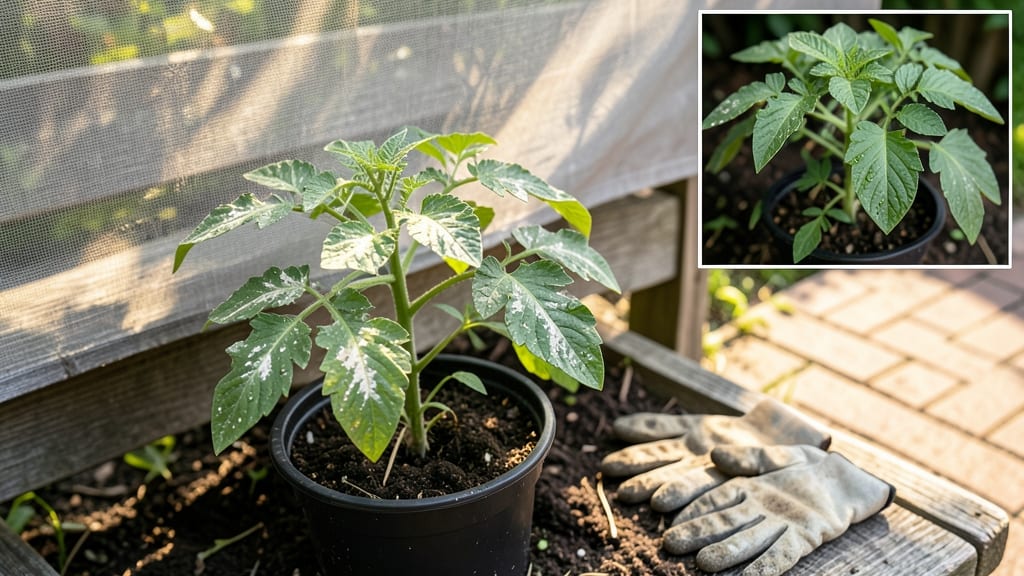
Your tomato seedlings are getting sunburned—those pale, crispy patches on leaves aren’t just cosmetic, they’re slowing growth and stressing your plants. 🌱 I’ve nursed back more scorched seedlings than I’d like to admit, and the fix is simpler than you think: gradual sunlight exposure, smart watering, and a few strategic tweaks.
The culprit? Direct afternoon sun without proper hardening-off. Young leaves lack the protective pigments of mature plants, so they bleach out like forgotten milk in the sun. Even worse, the damage often shows up after you’ve already transplanted—when it’s too late to save the season.
But here’s the good news: recovery is possible if you act fast, and prevention is just a few adjustments away. Start by moving seedlings to partial shade for a week, then gradually increase sunlight. Keep soil moist but not soggy—dry roots can’t absorb nutrients fast enough to repair damage.
Snip off severely burned leaves (they won’t recover) and watch for new growth within 5-7 days if the roots stay healthy. This trick works for all seedlings—peppers, eggplants, even herbs—so you’ll be ready next season too. Let’s get those plants back to thriving.
When Sun Becomes the Enemy
Tomato seedlings are delicate powerhouses—packed with potential but vulnerable to the very light that fuels their growth. When the sun shifts from a gentle nurturer to a harsh aggressor, sunburn strikes, leaving behind crispy, white, or yellowed patches on leaves.
But why does this happen? Let’s break down the science behind the scorching.
Sunlight is essential for photosynthesis, but when seedlings are exposed to direct, high-intensity UV rays—especially midday sun—their protective mechanisms get overwhelmed. Young tomato leaves lack the thick cuticle (the waxy outer layer) of mature plants, making them highly susceptible to damage.
- UV Radiation Spike: UV-B rays (most intense between 10 AM–4 PM) break down chlorophyll and cell membranes, causing oxidative stress. Think of it like a sunburn on human skin, but at the cellular level.
- Albedo Effect: Light-colored soil (like fresh potting mix) reflects sunlight upward, amplifying the UV exposure on seedlings. Darker soil absorbs heat, but the reflected glare still poses a risk.
- Thin Cell Walls: Seedlings’ cells are soft and hydrated, with less phenolic compounds (natural sunscreen-like antioxidants) than mature plants. Without gradual hardening, they fry under sudden brightness.
Pro Tip: 🌡️ Monitor leaf temperature—if it reaches 100°F+ (38°C+) in full sun, damage is likely. Use a soil thermometer near seedlings to gauge risk.
Seedlings started indoors thrive under low-light conditions (often 12–16 hours of artificial grow lights). When moved outside too quickly, their photoprotective pigments (like carotenoids) haven’t had time to ramp up. This mismatch triggers photoinhibition, where sunlight disrupts photosynthesis instead of powering it.
- Sudden Transplant Shock: Even a 2–3 hour jump from shade to full sun can cause stress. The plant’s xanthophyll cycle (a natural "sunscreen" system) needs days to activate.
- Root Constraints: If roots aren’t established in the new soil, the seedling can’t transpire efficiently (release excess water vapor). This traps heat in leaves, accelerating burn.
- Wrong Time of Day: Planting seedlings in peak afternoon sun (after 1 PM) is a recipe for disaster. The soil is hot, and UV levels are highest.
Pro Tip: ✨ Harden off gradually—start with 1–2 hours of morning sun on Day 1, then add 1 hour daily. By Day 7, they should tolerate 4–6 hours of filtered sun.
Sunburn doesn’t strike in isolation—other factors amplify the damage, turning a mild case into a full-blown crisis. Here’s how:
| Stressor | How It Contributes |
|---|---|
| Drought | Closed stomata (pores) reduce cooling via transpiration, causing leaves to overheat like a car left in the sun with windows rolled up. |
| High Humidity | Traps heat near leaves, creating a "greenhouse effect" that intensifies UV exposure. |
| Wind Burn | Dries out leaf surfaces faster, making cells more permeable to UV damage (like chapped skin). |
| Fertilizer Burn | Excess salts in soil disrupt cellular repair, leaving seedlings unable to recover from sun stress. |
Pro Tip: 💡 Mulch heavily with straw or grass clippings to keep soil temps below 85°F (29°C) and retain moisture. A 50% shade cloth over seedlings for the first week outdoors can cut UV exposure by 30–50%.
Understanding these triggers is the first step to protecting your seedlings. Next, we’ll dive into actionable fixes to shield your plants before the damage sets in.
Fixing Sun-Damaged Seedlings Fast
Sunburned tomato seedlings can look like a lost cause, but with the right steps, you can nurse them back to health—and even prevent future damage. The key is acting quickly and adjusting your growing conditions.
Below, we’ll break down practical fixes for each common cause, plus prevention tips to keep your seedlings thriving.
If your seedlings are blanched, crispy, or bleached from too much direct sun, they need immediate shade relief.
🛡️ Step 1: Move Them to Indirect Light
- 🌿 Relocate seedlings to a spot with filtered sunlight (e.g., under a sheer cloth, near a north-facing window, or in a greenhouse with diffused light).
- ⏰ Time it right: If outdoors, place them in morning sun only (before 10 AM) or late afternoon shade (after 4 PM).
- 🌡️ Monitor temps: Avoid placing them in hot, reflective surfaces (like black plastic or concrete), which can bake them further.
🌿 Step 2: Provide Temporary Shade
- 🛍️ Use shade cloth (30-50% coverage) if moving them isn’t an option.
- 🏠 DIY shade hack: Drape a white bedsheet or cheesecloth over a hoop or trellis above the seedlings.
- 🌱 Keep humidity up: Sunburn weakens plants, making them more prone to transpiration stress.
Mist leaves lightly in the morning to help recovery.
💡 Pro Tip:
If seedlings are already crispy, don’t prune the damaged leaves—let them dry up naturally to prevent infection. Focus on new, healthy growth instead.
If your seedlings are wilted, limp, or have a "cooked" look, extreme heat (not just sun) may be the culprit.
💦 Step 1: Increase Airflow & Hydration
- 🌬️ Improve ventilation: Use a small fan (on low) to circulate air around seedlings—this mimics natural breeze and reduces heat stress.
- 💧 Water deeply at the base: Sunburn dehydrates plants fast.
Use lukewarm water (not cold) to avoid shocking roots. - ❄️ Cool the soil: Place a damp towel over the soil surface to reflect heat and keep roots cool.
🌱 Step 2: Adjust Growing Conditions
- 🏡 Move indoors temporarily if outdoor temps exceed 85°F (29°C).
- 🌱 Use mulch: Apply a thin layer of straw or coconut coir around seedlings to insulate soil and retain moisture.
- 🌅 Avoid transplant shock: If moving seedlings, harden them off gradually (acclimate to outdoor conditions over 5-7 days).
💡 Pro Tip:
Morning watering is best—it gives plants moisture before the day heats up. Avoid evening watering, which can promote fungal issues.
If seedlings were rushed from indoors to full sun, they’re vulnerable to sunburn shock.
🏋️ Step 1: Gradual Sun Exposure
- ⏳ Start slow: Introduce seedlings to 1-2 hours of morning sun per day, increasing by 30 minutes daily.
- 🌿 Use a cloche or row cover for the first 3-5 days to filter light.
- 🌅 Time it right: Avoid peak sun (11 AM–3 PM)—this is when UV rays are strongest.
🌱 Step 2: Strengthen Their Skin
- 💪 Boost natural defenses: Grow seedlings in bright, indirect light indoors before transplanting.
- 🌿 Use a light shade cloth (like Agribon) for the first week outdoors.
- 🍃 Fertilize lightly: A balanced, low-nitrogen fertilizer (like 5-5-5) helps build resilience.
💡 Pro Tip:
Yellowing leaves? It’s often a sign of sun stress or nutrient burn. Flush the soil with water to leach excess salts before fertilizing again.
Once your seedlings recover, prevent future damage with these long-term strategies:
| Problem | Prevention Fix | When to Do It |
|---|---|---|
| Intense midday sun | Use shade cloth (30-50%) or drip irrigation to keep leaves cool. | Install before transplanting. |
| Reflective surfaces | Plant near white walls, gravel, or mulch (avoid black plastic). | At transplant time. |
| Sudden heatwaves | Mulch heavily and water at soil level (not leaves). | Before extreme heat hits. |
| Overcrowded seedlings | Thin plants to improve airflow. | When seedlings are 2-3 inches tall. |
| Weak seedlings | Start with strong stock—avoid leggy, pale seedlings. | Before transplanting. |
✨ Bonus Hack:
Grow tomatoes in containers if your garden gets brutal afternoon sun. Pots heat up faster, but you can move them to shade during peak hours.
Final Thought: Sunburned seedlings aren’t a death sentence—they just need a little TLC and smart adjustments. With these fixes, your tomatoes will bounce back stronger and reward you with juicy, healthy fruit** all season long! 🍅🌞
Frequently asked questions
Why do my tomato seedlings get sunburned even when they're in the shade?
Even partial shade can't block all UV rays—especially when light-colored soil reflects sunlight upward (the albedo effect). Use 50% shade cloth or place seedlings near dark mulch to reduce glare. The key is gradual exposure—start with 1-2 hours of morning sun and increase by 30 minutes daily.
Can I save a seedling if the leaves are already crispy and white?
Yes, but focus on the roots! Remove only severely damaged leaves (don't prune healthy ones). Water deeply at the base and move to partial shade. New growth should appear in 5-7 days if the roots stay cool and moist. Avoid fertilizing until recovery begins.
What's the best time of day to transplant seedlings outdoors?
Always transplant in the early morning or late afternoon to avoid peak sun (11 AM–3 PM). Start with 1-2 hours of sunlight on Day 1, then increase by 1 hour daily. This gradual hardening prevents photoinhibition (when sunlight disrupts photosynthesis).
Will mulch really help prevent sunburn?
Mulch keeps soil temps 10-15°F cooler by reflecting heat away and retaining moisture. Use straw or grass clippings (2-3 inches deep) to create a protective barrier. For extra defense, add a lightweight row cover during the first week outdoors.
Can I use regular household items to protect seedlings?
Yes! Try a white bedsheet (30% shade) or cheesecloth draped over a hoop for DIY shade. For heat relief, place a damp towel over the soil surface—it reflects sunlight and cools roots. Avoid plastic (traps heat); opt for breathable fabrics instead.