
How To
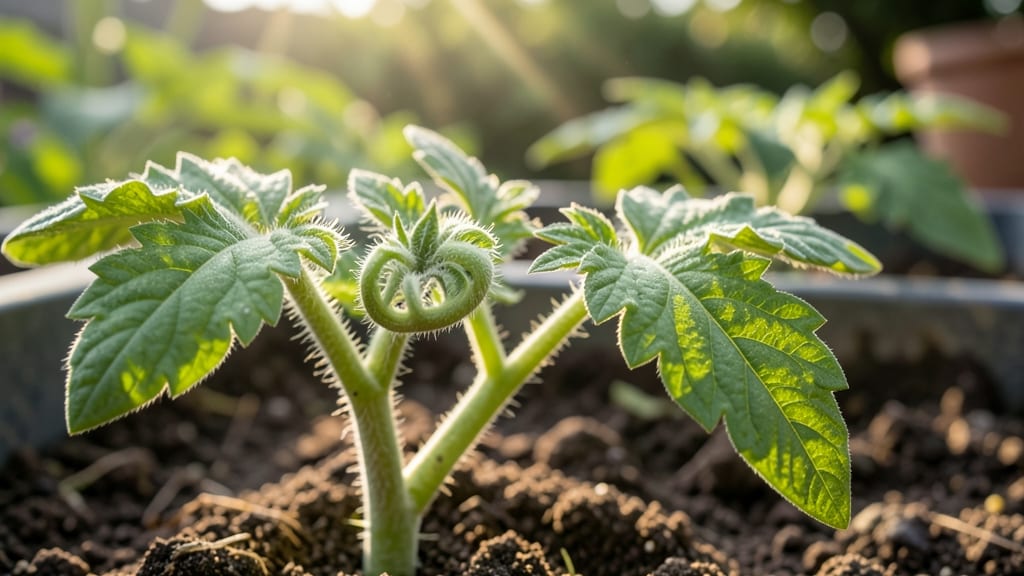
Tomato seedling leaves curling upward? That’s your plant screaming for help. 🌱 I’ve seen this happen after a single scorching afternoon, and it’s usually fixable before your seedlings throw in the towel. The good news? Most cases aren’t permanent—just miscommunication between your plants and their environment.
Heat stress, windburn, or even overwatering can make leaves pucker like a dried-up raisin. Pests like spider mites or fungal pressure (especially in humid climates) love to exploit stressed seedlings too. The key? Act fast—within 24-48 hours—and you’ll often see leaves flattening back to normal by morning.
Start by moving seedlings to shade and checking soil moisture—it should feel like a damp sponge, not a swamp. A quick spray with neem oil (for pests) or baking soda solution (for fungal hints) works wonders. Most seedlings bounce back in 3-5 days if you catch it early.
Prevention is easier than curing: use row covers on windy days, water at the base (not overhead), and keep humidity in check. Your goal? Healthy vines that grow strong enough to outrun the next heatwave. Let’s get those leaves flat again!
Root Causes Of Leaf Curls
Tomato seedling leaves curling upward can feel like a mysterious plant whisper—your seedlings are talking, but what’s their message? 🌱💬 The truth is, this common issue usually stems from environmental stress, pest pressure, or nutrient imbalances.
Below, we break down the top scientific culprits behind those upward-rolling leaves, so you can diagnose (and fix!) the problem fast.
When seedlings bake under intense sunlight or dry out too quickly, their leaves curl upward as a water conservation tactic. Think of it like a plant version of tucking in its arms to stay cozy—but too much stress leads to stunted growth.
- Why it happens: High temperatures (above 85°F/30°C) or low humidity cause rapid transpiration, forcing leaves to curl to reduce water loss.
- Actionable fix:
- Move seedlings to partial shade (use shade cloth if needed).
- Water deeply at the soil level (not overhead) to encourage strong root growth.
- Use mulch (straw or grass clippings) to retain moisture and cool roots.
Sap-sucking pests like aphids, spider mites, or whiteflies inject toxins as they feed, triggering leaf curl. These pests are invisible until the damage is done—so check the undersides of leaves for sticky residue or tiny webs.
- Why it happens: Pests disrupt nutrient flow by damaging plant cells, causing leaves to curl upward as a defense mechanism.
- Actionable fix:
- Blast off pests with a strong spray of water (aphids hate it!).
- Introduce beneficial insects (ladybugs, lacewings) or use neem oil (a natural pesticide).
- Isolate infected plants to prevent spread.
While underwatering causes drought stress, overwatering smothers roots by cutting off oxygen. This leads to root rot, which starves the plant of nutrients—causing leaves to curl as a distress signal.
- Why it happens: Waterlogged soil (especially in pots without drainage holes) suffocates roots, preventing nutrient uptake.
- Actionable fix:
- Let the top inch of soil dry out before watering again.
- Use well-draining soil mixes (add perlite or vermiculite).
- Repot if roots are circling or the soil smells sour (a rot red flag!).
Leaves curl when your seedlings are starving for key nutrients, particularly:
- Nitrogen (N): Leads to yellowing leaves + curling (old leaves first).
- Potassium (K): Causes brown leaf edges and upward curling (common in heat stress).
- Magnesium (Mg): Shows as interveinal yellowing (between leaf veins).
- Why it happens: Seedlings outgrow their nutrients if you’re not fertilizing properly—or if soil lacks organic matter.
- Actionable fix:
- Test your soil (DIY kits are cheap and easy).
- Feed lightly with a balanced fertilizer (10-10-10 or 5-5-5) at half-strength every 2 weeks.
- Compost tea or fish emulsion gives a quick nutrient boost without burning roots.
Pathogens like early blight or bacterial spot can cause leaves to curl as they invade plant tissues. Look for dark spots, lesions, or oily sheen on leaves.
- Why it happens: Excess moisture (from overhead watering or poor airflow) creates the perfect breeding ground for fungi/bacteria.
- Actionable fix:
- Remove infected leaves immediately (don’t compost them!).
- Space plants for airflow and avoid wetting foliage.
- Prevent recurrence with copper-free fungicides (baking soda spray: 1 tsp baking soda + 1 quart water + a drop of dish soap).
If your seedlings were recently transplanted, their leaves may curl as they adjust to new conditions. This is temporary—but if ignored, it can lead to permanent damage.
- Why it happens: Root disturbance during transplanting causes stress, slowing nutrient uptake.
- Actionable fix:
- Water deeply after transplanting to reduce shock.
- Use root stimulator (like seaweed extract) to encourage recovery.
- Hardening off (gradually exposing seedlings to outdoor conditions) prevents future shock.
Not sure which culprit you’re dealing with? Run through this 3-step test: 1. Check the soil: Is it dry, soggy, or crumbly? ➡️ Water/drainage issue.
- Inspect leaves: Look for pests, spots, or webbing. ➡️ Pests/disease.
- Observe growth: Are new leaves curling? ➡️ Nutrient or heat stress.
Most cases resolve within 3–7 days if you act fast! 🚀
Quick Fixes for Curling Tomato Leaves
Now that you understand why your tomato seedling leaves might be curling upward, let’s roll up our sleeves and tackle the problem—without copper sprays! The good news? Most of these fixes are simple, cost-effective, and can be done in minutes.
Below, we’ve mapped out the most common causes and their practical, copper-free solutions, along with prevention tips to keep your seedlings thriving.
If your seedlings are soggy at the roots, curling leaves are their way of screaming, "Drainage! Now!"
How to Fix It:
🔥 Step 1: Check the Soil Moisture Stick your finger 1 inch deep into the soil. If it’s damp or muddy, your seedlings are drowning. Tomato seedlings prefer soil that’s moist but not waterlogged.
🍳 Step 2: Adjust Your Watering Routine
- Water only when the top inch of soil is dry (usually every 2–3 days for seedlings).
- Use a small watering can with a narrow spout to target the base—avoid splashing leaves.
- Morning watering is best (allows foliage to dry before nightfall).
👨🍳 Step 3: Improve Drainage Fast
- If your pots lack drainage holes, poke a few with a nail or drill (yes, really!).
- Mix in perlite, vermiculite, or coarse sand (10–20%) to loosen heavy soil.
- For garden beds, amend the soil with compost to improve aeration.
⏰ Step 4: Let It Dry Out (Temporarily) If roots are waterlogged, skip watering for 1–2 days to let excess moisture evaporate. Monitor for improvement in 24–48 hours.
💡 Prevention Tips:
✔ Use well-draining potting mix (avoid cheap, dense blends). ✔ Elevate pots on saucers or trays to prevent water pooling. ✔ Group seedlings together to create a microclimate with higher humidity (but still avoid soggy soil).
Tomatoes are heat-loving but can’t handle sudden swings or scorching sun.
How to Fix It:
🌡️ Step 1: Shield from Direct Sun (Temporarily) If seedlings are in hot afternoon sun (above 90°F/32°C), provide dappled shade with:
- A lightweight row cover or cheesecloth.
- A white shade cloth (30–50% block) over pots.
🎯 Step 2: Acclimate Gradually
- Hardening off (preparing seedlings for outdoor conditions) should take 7–10 days.
- Start with 1–2 hours of sun/day, increasing by 1 hour daily.
✨ Step 3: Cool Down the Roots
- Place pots in a shady spot during peak heat.
- Mulch with straw or grass clippings to insulate soil and retain moisture.
💡 Prevention Tips:
✔ Avoid transplanting on super-hot days (wait for morning or evening). ✔ Use black pots (they absorb heat faster—switch to terracotta or white if needed). ✔ Mist leaves lightly in extreme heat (but avoid wetting foliage at night to prevent disease).
Curling can signal too much nitrogen (leafy growth at the expense of roots) or lack of key nutrients like phosphorus or potassium.
How to Fix It:
📊 Step 1: Test Your Soil (DIY or Kit)
- A simple soil test kit (available at garden centers) can reveal pH and nutrient levels.
- Ideal pH for tomatoes: 6.0–6.8.
💪 Step 2: Balance Fertilizer - If leaves are dark green and leggy → Too much nitrogen. Switch to a balanced fertilizer (e.g., 5-5-5 or 10-10-10). - If leaves are yellow with curling → Lack of phosphorus or potassium.
Use a tomato-specific fertilizer (look for higher middle or last number, e.g., 5-10-10).
🥗 Step 3: Feed with Organic Boosters
- Banana peel tea (rich in potassium): Chop peels, steep in water for 24 hours, then dilute and water plants.
- Epsom salt spray (for magnesium deficiency): Mix 1 tbsp Epsom salt in 1 gallon of water, spray foliage weekly.
💡 Prevention Tips:
✔ Follow the fertilizer instructions—more isn’t better! ✔ Rotate crops to prevent nutrient depletion in garden beds. ✔ Use compost tea as a gentle, nutrient-rich soil amendment.
Tiny invaders like aphids, spider mites, or fungal spores can cause curling as they feed or infect leaves.
How to Fix It:
🔪 Step 1: Inspect Leaves Closely
- Look for sticky residue (aphids), fine webbing (spider mites), or white powder (powdery mildew).
🌿 Step 2: Blast Off Pests Naturally - Neem oil spray: Mix 1 tsp neem oil + 1 tsp mild soap + 1 quart water.
Spray every 5–7 days until pests vanish. - Insecticidal soap: Spray directly on pests (reapply after rain). - Introduce beneficial insects: Ladybugs or lacewings eat aphids—buy them online or attract them with dill or marigolds.
🌡️ Step 3: Improve Airflow
- Space seedlings 12–18 inches apart to reduce humidity and fungal growth.
- Prune lower leaves to improve airflow around the plant.
💡 Prevention Tips:
✔ Quarantine new plants for 1–2 weeks before introducing them to your garden. ✔ Remove yellow or diseased leaves immediately (don’t compost them—trash them!). ✔ Water at the base (not overhead) to discourage fungal spores.
If your seedlings are severely curled but still green:
- Trim the worst-affected leaves (sounds harsh, but it redirects energy to healthy growth).
- Repot in fresh, sterile soil if roots are rotting (use a 50/50 mix of potting soil and perlite).
- Mist with a diluted seaweed solution (1 tsp seaweed extract per gallon of water) to boost resilience.
Remember: Most curling issues resolve within 3–5 days of fixing the root cause. Keep an eye on your seedlings, and don’t hesitate to adjust care as they grow! 🍅🌟
Frequently asked questions
Why do my tomato seedlings' leaves curl upward after transplanting?
This is a classic sign of transplant shock—your seedlings are adjusting to new conditions. The root disturbance slows nutrient uptake, causing leaves to curl temporarily. To help them recover, water deeply at the base and use a root stimulator like seaweed extract. Most seedlings bounce back in 3-5 days with proper care.
Can I save tomato seedlings with severely curled leaves?
It depends! If the leaves are still green and firm, prune the worst-affected ones to redirect energy to healthy growth. For root rot or fungal infections (check for dark spots), repot in fresh, sterile soil with perlite. If leaves are crispy or black, the seedling may be beyond saving—focus on preventing issues with your remaining plants.
How do I tell if curling is from pests vs. heat stress?
Flip the leaves—pests like spider mites leave fine webbing, while aphids create sticky residue. Heat stress usually affects all leaves uniformly and often comes with wilting. Test by moving seedlings to shade: if they improve within 24 hours, it’s likely heat-related. Pests require targeted treatments like neem oil.
Is baking soda really effective for fungal issues causing leaf curl?
Yes! A simple baking soda spray (1 tsp baking soda + 1 quart water + a drop of dish soap) works as a copper-free fungicide. Spray on leaves every 7-10 days during humid conditions. It’s especially helpful for early blight or powdery mildew. Just avoid spraying in direct sunlight to prevent leaf burn.
Will my tomato plants recover if I fix the curling now?
Most seedlings recover fully within 3-7 days if you address the root cause. Early intervention is key—once leaves curl, the plant redirects energy to protect itself. Focus on consistent care (proper watering, shade, and pest control), and your seedlings will grow strong enough to handle future stress.