
Pests
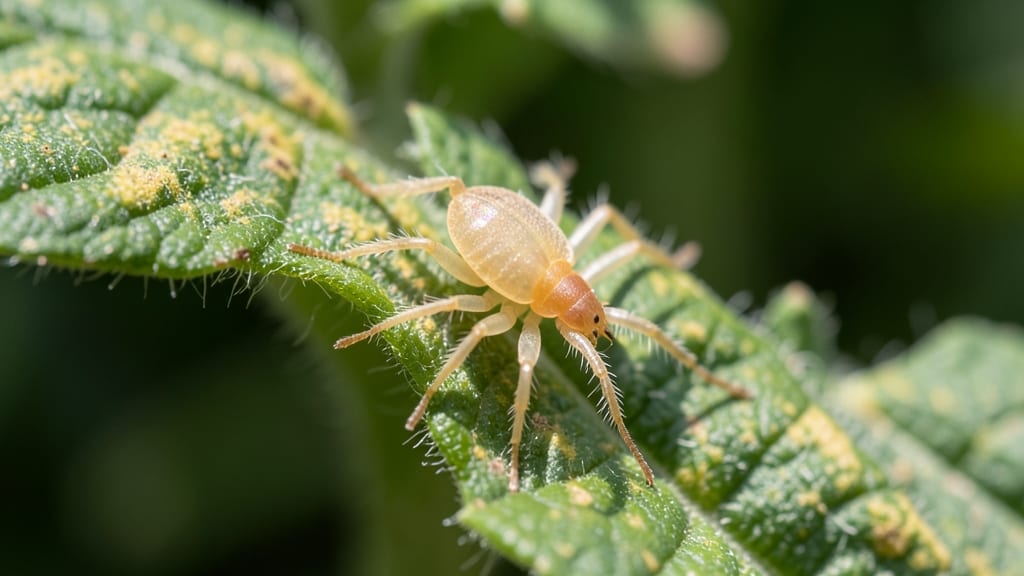
Your tomato plants' leaves are turning bronze and stippled—it's not heat stress, it's the tomato rust mite. 🌱 I've battled these tiny pests for years, and the silica dust barrier method finally gave me the upper hand without harsh chemicals. The key is acting fast before they spread to fruit.
This approach works because rust mites hate silica dust—it physically blocks them while letting your plants breathe. You'll need just a few supplies: food-grade silica dust, a duster or sieve, and a calm afternoon. The process takes about 20 minutes and protects for 2-3 weeks between applications.
By the end of this, your plants will look healthier, with fewer bronzed leaves and more green growth. The best part? You won't have to worry about chemical residues on your homegrown tomatoes. Works for both garden beds and containers, and it's safe for pollinators once settled.
Let's get those plants protected!
Root Causes Of Tiny Leaf Scorch
When your tomato plants start showing signs of stunted growth, silvery-white webbing, or leaves that look like they’ve been singed by a hidden flame, you’re likely dealing with a tomato rust mite infestation. But why does this pesky pest target your garden in the first place?
The answer lies in a mix of environmental triggers, plant stress, and even human habits. Understanding these causes is the first step to preventing future outbreaks—and keeping your harvest thriving.
The tomato rust mite thrives in hot, dry climates, making it a common nuisance in regions with long, sunbaked summers. These tiny arachnids (yes, they’re related to spiders!) prefer temperatures between 77–95°F (25–35°C). Here’s why heat and drought create the perfect storm for them:
- Accelerated reproduction: Warmer temperatures speed up their life cycle, allowing them to multiply rapidly—sometimes producing new generations every 10–14 days.
- Reduced plant resilience: Dry soil stresses plants, making them less able to produce protective compounds like silica, which naturally repels pests.
- Thicker leaf surfaces: In drought conditions, leaves can become waxy or brittle, providing an ideal grip for mites to burrow and feed.
Actionable tip: 💡 If you’re in a hot, arid zone, mulch heavily to retain moisture and water deeply in the early morning to cool the soil and deter mites.
Tomato rust mites don’t just appear out of nowhere—they’re drawn to weak, crowded, or nutrient-deficient plants. Here’s how poor plant health invites them in:
- Lack of airflow: Dense foliage traps heat and humidity, creating a microclimate that mites love. Stagnant air also slows down beneficial predators like ladybugs and lacewings.
- Nutrient imbalances: Plants low in potassium or calcium are more susceptible. These nutrients help strengthen cell walls, making it harder for mites to puncture leaves.
- Pruning neglect: Overgrown or unpruned plants provide more hiding spots for mites to lay eggs and feed undetected.
Actionable tip: 🌱 Space plants 18–24 inches apart, prune regularly to improve airflow, and side-dress with compost or a balanced fertilizer (like 10-10-10) to boost plant vigor.
Mites don’t just spread from plant to plant—they can hitchhike on tools, soil, or even wind currents. Here’s how infestations persist or spread:
- Reinfestation from last year: Mites can survive in cracked soil, old plant debris, or compost over winter, ready to attack new seedlings.
- Dirty pruners or gloves: Even a quick snip with contaminated tools can transfer mites to healthy plants. 70% of gardeners unknowingly spread pests this way.
- Windborne spores or mites: In drought-prone areas, mites can ride dust particles for short distances, colonizing new plants.
Actionable tip: ⏰ Sterilize tools with rubbing alcohol between uses, remove all plant debris after harvest, and rotate crops annually to break the mite life cycle.
By addressing these root causes—heat stress, poor plant health, and contamination—you can create an environment where tomato rust mites struggle to take hold. The next step? Proactive barriers like silica dust to give your plants the upper hand. 🚀
Quick Fixes for Tiny Tomato Troubles
Got those pesky rust mites wreaking havoc on your tomato plants? Don’t panic—these tiny pests might be small, but they’re no match for a strategic defense plan. Below, we’ll break down practical, step-by-step solutions tailored to the root causes of your tomato woes.
From immediate fixes to long-term prevention, here’s how to reclaim your garden—without losing your sanity (or your harvest).
Cause: Rust mites suck sap, starving leaves of nutrients and causing chlorosis (yellowing) or stunted growth.
Fix It Fast:
- 🍳 Spray with Neem Oil (Best for Immediate Relief) Mix 1 tbsp neem oil + 1 tsp mild dish soap + 1 quart water in a spray bottle. Shake well and apply early in the morning (mites hate the sun!). Reapply every 5–7 days until you see improvement.
- Pro Tip: 💡 Add a few drops of horticultural oil for extra stickiness—mites can’t escape!
- 👨🍳 Introduce Beneficial Predators (Long-Term Solution) Ladybugs, lacewings, and **predatory mites (like Phytoseiulus persimilis) feast on rust mites. Buy them online or from garden centers and release them at dusk when pests are least active.
Cause: Rust mites leave behind silver or bronze speckling on leaves, reducing photosynthesis.
Fix It Fast:
- 🔪 Prune and Destroy Infested Foliage Snip off heavily damaged leaves (wear gloves!) and dispose of them in a sealed bag**—don’t compost! This stops the mites from spreading further.
- Pro Tip: ✨ Use sterilized pruners (wipe with rubbing alcohol) to avoid cross-contamination.
- 🌡️ Adjust Watering for Mite Discomfort Rust mites love dry conditions. Mist your plants lightly 2–3 times a week (focus on undersides of leaves) to create an unfavorable environment. Avoid overhead watering at night to prevent fungal issues.
Cause: Mites multiply rapidly in warm, sheltered spots (like under leaves or in greenhouses).
Fix It Systematically:
- 🏗️ Build a Silica Dust Barrier (Your Secret Weapon!) Sprinkle food-grade diatomaceous earth (DE) or silica dust around the base of plants and under leaves. The microscopic particles dehydrate mites on contact—but only works if dry!
- How to Apply:
- Wear a dust mask (it’s abrasive!).
- Lightly dust early in the day (avoid windy conditions).
- Reapply after rain or watering.
- How to Apply:
- 🛡️ Use Reflective Mulch or Aluminum Foil Mites hate bright light. Wrap the base of tomato stems with crinkled aluminum foil or use silver mulch to reflect sunlight, confusing and repelling them.
Once you’ve kicked them out, lock the door with these habits: - 🌱 Rotate Crops – Don’t plant tomatoes in the same spot yearly (mites overwinter in soil). - 🌿 Companion Planting – Grow basil, marigolds, or chives nearby; their scents repel mites. - 🕵️♂️ Inspect New Plants – Quarantine store-bought or nursery plants for 2 weeks before introducing them to your garden. - 🌡️ Monitor Humidity – Keep humidity above 50% (mites thrive in dry air).
Use a hygrometer to track levels.
Final Reminder: Consistency is key! Rust mites are persistent, but with neem oil, silica dust, and beneficial insects, you’ll have your tomatoes thriving in no time. Happy gardening! 🍅💪
Frequently asked questions
What do tomato rust mite damage look like on leaves?
Look for bronze or silver speckling on upper leaf surfaces and tiny stippling that resembles sandpaper. The undersides may show fine webbing, and severely affected leaves will curl or develop a scorched appearance. This differs from spider mites, which cause more uniform yellowing.
Can tomato rust mites harm the fruit itself?
While they primarily feed on leaves, heavy infestations can reduce fruit quality by weakening the plant. The real risk comes from fruit scarring if mites migrate to developing tomatoes, though this is less common than with other tomato pests. Focus on protecting foliage to maintain plant vigor.
How often should I reapply silica dust for rust mites?
Reapply every 7-10 days or immediately after rain/watering, as moisture washes away the dust. For best results, apply in the early morning when mites are least active. Store extra dust in an airtight container away from humidity to maintain effectiveness.
Will neem oil kill tomato rust mites completely?
Neem oil disrupts their life cycle but rarely eliminates infestations alone. For best results, combine it with silica dust and beneficial predators like ladybugs. Reapply every 5-7 days until new growth appears free of stippling.
Are tomato rust mites dangerous to humans or pets?
No, these mites pose no direct threat to humans or pets. However, some chemical treatments may be harmful if ingested. Always follow product instructions and keep pets away from treated areas until fully dry. Silica dust and neem oil are generally safe when used as directed.