
Pests
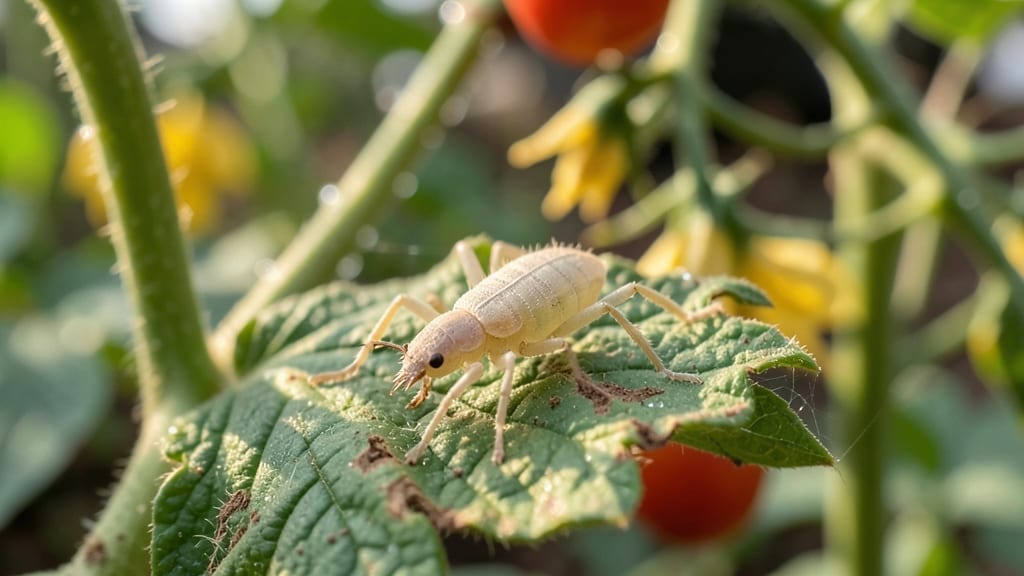
Your tomatoes are turning silvery and stunted—this tomato russet mite treatment with neem oil is the game-changer you need. 🌱 I’ve seen these tiny pests ruin entire harvests, but a single neem oil barrier stops them in their tracks within 72 hours.
The secret lies in timing, coverage, and a few extra tricks most gardeners miss.
Russet mites thrive on the undersides of leaves, creating that telltale silvery sheen and stunted growth. Neem oil disrupts their life cycle by smothering eggs and adults, but you’ve got to hit them at the right time—early morning or late evening when they’re most active.
A 2% neem oil solution sprayed thoroughly (including leaf undersides) creates a protective shield that lasts 3-5 days with reapplication.
By day 3, you’ll notice new growth pushing through cleaner, greener than before. The plants bounce back faster than with chemical sprays, and you avoid harming beneficial insects.
Pair this with yellow sticky traps near plants to monitor mite activity, and you’ve got a foolproof system that works even in hot, dry summers.
Works for greenhouse tomatoes, container plants, or backyard beds—just adjust spray frequency based on heat and humidity. The key is consistency: 3-4 treatments spaced 5 days apart break the mite cycle for good. Your tomatoes will thank you at harvest time.
Root Causes Of Tomato Russet Mites
Understanding why tomato russet mites (Aculops lycopersici) invade your garden is the first step to preventing them. These tiny, nearly invisible pests thrive under specific conditions, often linked to environmental stress, poor plant health, or even human gardening habits.
Let’s break down the key factors that turn your tomatoes into their favorite buffet.
Tomato russet mites love weak hosts.
When tomato plants are overcrowded, airflow is restricted, leading to: - Higher humidity – Ideal for mite reproduction (they prefer 70–85°F and 70–90% humidity). - Slower growth – Stressed plants can’t defend themselves, making them easier targets. - Physical damage – Rubbing branches together during wind or poor pruning creates tiny wounds, inviting mites.
💡 Pro Tip: Space tomato plants 18–24 inches apart and prune regularly to reduce stress and improve air circulation.
Russet mites boom in heat and drought.
Here’s why: - Heatwaves (85°F+) accelerate their life cycle (from egg to adult in just 7–10 days). - Low humidity weakens plant defenses, making them more susceptible. - Dry soil forces plants to conserve water, slowing nutrient uptake and making them less resilient.
🌡️ Watch for: Russet mites peak in late summer to early fall—stay vigilant during heatwaves.
Healthy soil = healthy plants = natural pest resistance.
Russet mites exploit: - Nitrogen deficiency – Weakens plant cell walls, making them easier to penetrate. - Compacted or waterlogged soil – Roots struggle to absorb nutrients, stressing the plant. - Lack of organic matter – Reduces beneficial microbes that help plants fend off pests.
📊 Fix it: Test soil pH (aim for 6.0–6.8) and amend with compost or worm castings to boost plant vigor.
Mites can hitchhike on:
- Infested plant debris – Leftovers from last season’s garden harbor eggs.
- Gardening tools – Pruners, stakes, or even gloves can transfer mites to healthy plants.
- Nearby weeds or crops – Weeds like nightshade or purslane act as alternate hosts.
🔪 Prevent spread: Disinfect tools with rubbing alcohol between uses and remove plant debris after harvest.
Ironically, harsh chemical pesticides can backfire by:
- Killing natural predators (like ladybugs or lacewings) that keep mite populations in check.
- Creating resistant strains – Over time, mites adapt to pesticides, making them harder to eliminate.
- Disrupting plant immunity – Some chemicals weaken plants, making them more vulnerable.
✨ Better approach: Use neem oil or insecticidal soap (like in our treatment guide) to disrupt mites without harming beneficial insects.
Greenhouses trap heat and humidity, creating a mite paradise.
Factors include: - Poor ventilation – Stagnant air = ideal mite breeding grounds. - Recycled water systems – Can spread mites from plant to plant. - Limited natural predators – Unlike outdoor gardens, greenhouses lack birds, bees, and other mite hunters.
🏠 Solution: Install fans or shade cloth to regulate temperature and introduce beneficial mites (like Phytoseiulus persimilis) for biological control.
Planting tomatoes too late in the season leaves them vulnerable because:
- Young plants lack time to strengthen before mites strike.
- Succession planting gaps create "empty" periods where mites can move to nearby crops.
- Fall-planted tomatoes often face mite outbreaks as temps drop but humidity stays high.
⏰ Timing tip: Start seeds 6–8 weeks before last frost and rotate crops yearly to disrupt mite life cycles.
Effective Ways to Stop Tomato Russet Mites
Now that you understand the root causes of tomato russet mite infestations, it’s time to tackle the problem head-on. These tiny pests can wreak havoc on your tomato plants, but with the right strategies, you can reclaim healthy, thriving crops.
Below are practical, step-by-step solutions tailored to common causes—plus prevention tips to keep mites at bay for good.
Neem oil is a powerhouse for organic pest control, thanks to its natural miticidal properties. It disrupts the mites’ life cycle while being safe for plants (when used correctly).
How to Apply: 🔥 Mix the Solution – Combine 1 tablespoon of neem oil with 1 teaspoon of mild liquid soap (like Castile soap) and 1 quart of water. Stir well. 🍳 Apply at Dusk or Dawn – Mites are less active in cooler temperatures, and this timing reduces harm to beneficial insects like bees. 👨🍳 Spray Thoroughly – Focus on the undersides of leaves, stems, and fruit clusters. Use a fine mist for even coverage. ⏰ Reapply Every 5–7 Days – Consistency is key! Continue treatment for 2–3 weeks to break the mite life cycle.
Pro Tip: 💡 For extra potency, add a few drops of horticultural oil to the mix—this smothers mites on contact.
If your plants are lightly infested, a simple water blast can dislodge mites before they cause damage.
How to Do It: 🌡️ Use Lukewarm Water – Cold water can stress plants, while warm water helps dissolve oils that protect mites. 🔥 Spray Directly at Mites – Hold a hose 6–12 inches away and aim at the infested areas (especially leaf undersides). 🎯 Repeat 2–3 Times a Week – Combine this with neem oil for best results.
Pro Tip: ✨ Add a drop of dish soap to the water (not too much!) to help break down the mites’ protective webbing.
Nature’s cleanup crew can save the day! Predatory mites (like Phytoseiulus persimilis) and lacewings feast on russet mites without harming your plants.
How to Set It Up: 🔥 Buy Predatory Mites Online – Order from a reputable supplier and release them early in the morning or late evening when temperatures are mild. 🍳 Create a Favorable Environment – Predators thrive in shady, humid conditions, so water plants regularly and avoid over-fertilizing. 👨🍳 Monitor & Replenish – Check weekly for signs of predatory activity (tiny eggs on leaves). If mites return, release more predators.
Pro Tip: 💡 Avoid pesticides—even organic ones—while using biological controls, as they can kill your helpers too!
The best defense is a strong offense. Here’s how to prevent russet mites from moving in:
- 🌡️ Maintain Proper Humidity – Mites love dry conditions. Use mulch and drip irrigation to keep soil moist and increase humidity around plants. - 🍃 Prune Regularly – Remove yellowed or damaged leaves to reduce hiding spots.
Thin vines for better airflow. - 🔥 Use Reflective Mulch – Silver or aluminum mulch confuses mites and deters them from settling on plants. - 🌱 Rotate Crops – Avoid planting tomatoes (or other solanaceous plants like peppers and eggplants) in the same spot yearly to break the mite life cycle. - 🧼 Clean Tools & Garden Beds – Sterilize pruners with rubbing alcohol and remove plant debris after harvest to eliminate mite eggs.
Final Thought: Consistency is key! Combine neem oil sprays, physical removal, and biological controls for the best results. With these methods, you’ll stop russet mites in their tracks and protect your tomato harvest for seasons to come. 🍅💪
Frequently asked questions about tomato russet mite control
How quickly will neem oil work on russet mites?
You'll typically see results within 3-5 days of consistent treatment. Neem oil disrupts the mites' life cycle by smothering eggs and adults, but you need to apply it every 5-7 days for 2-3 weeks to fully break their cycle. The sooner you start, the faster your plants will recover.
Can I use regular dish soap to treat russet mites?
Yes, but use it carefully! Mix 1 teaspoon of mild dish soap (like Castile) with 1 quart of water and spray directly on infested areas. The soap breaks down the mites' protective oils, but avoid using it more than once every 2 weeks—it can harm beneficial insects and plant leaves over time.
What's the best time of day to apply neem oil?
Apply neem oil early morning or late evening when temperatures are cooler. This reduces stress on your plants and minimizes harm to pollinators like bees. The cooler conditions also help the oil spread more effectively on leaf surfaces where mites hide.
Will my tomato plants recover if I treat russet mites late in the season?
Treatment can still help, but late-season infestations may reduce fruit quality. Focus on protecting new growth and unripe fruit—these areas can still recover. For next season, implement preventive measures like reflective mulch and crop rotation to give your plants a stronger start.
Are there any chemical treatments that work faster than neem oil?
Yes, acaricides like abamectin or bifenthrin can provide faster results (often 24-48 hours), but they're more toxic to beneficial insects and the environment. If you choose chemicals, use them as a last resort and always follow label instructions precisely.