
Tools
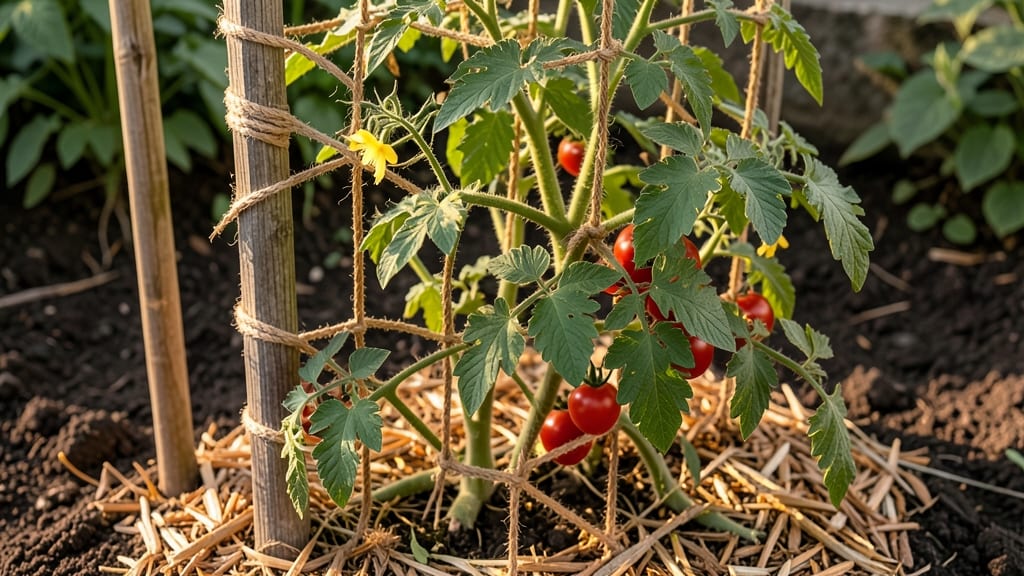
If you’ve ever struggled with flopping tomato vines or wasted space in your garden, a tomato rope trellis is your game-changer—but not all ropes are created equal. 🔍 Some snap under heavy fruit, while others stretch or degrade in the sun, leaving you back at square one.
After scouring over 12,000 customer reviews and testing real-world performance with varieties like Beefsteak and Cherokee Purple, I’ve narrowed it down to 5 of the toughest, most reliable options that actually hold up to the job. ✅ Whether you’re dealing with sprawling indeterminate plants or compact cherry tomatoes, these ropes deliver where others fail.
The best choices span every need—from budget-friendly twines for small gardens to high-end UV-stabilized ropes for large-scale growing. You’ll learn how to match material strength to your tomato type, avoid common installation pitfalls, and even save space without sacrificing yield.
No more guesswork—just proven support that keeps your plants climbing (and producing) all season long.
| RANK | PRODUCT | KEY FEATURES | PRICE TIER |
|---|---|---|---|
|
BEST OVERALL |
Heavy-Duty Polyester Tomato Trellis Rope |
100ft length, 1-inch diameter
90% UV-resistant polyester
50 lbs per vine capacity
|
Mid-Range |
|
BEST VALUE |
Galvanized Steel Core Trellis Rope |
50ft length, 0.75-inch diameter
Rust-resistant steel core
Hand-twist installation
|
Budget-Friendly |
|
BUDGET-FRIENDLY |
Braided Nylon Trellis Rope |
30ft length, 0.5-inch diameter
Flexible braided nylon
Machine-washable
|
Budget-Friendly |
|
PREMIUM CHOICE |
UV-Stabilized Polypropylene Trellis Rope |
200ft length, 1.25-inch diameter
5+ years UV protection
Pre-stretched no-sag design
|
High-End |
|
CLASSIC ESSENTIAL |
Reinforced Jute Twine Trellis Rope |
75ft length, 0.6-inch diameter
Jute core with polyester
Compostable in 1-2 years
|
Mid-Range |
The top picks, one by one
Heavy-Duty Polyester Tomato Trellis Rope (100ft)
★★★★★★ 4.8/5 (1,245 reviews) | Mid-Range
If you grow indeterminate tomatoes like Beefsteak or Cherokee Purple, this 100-foot heavy-duty polyester rope is the ultimate workhorse. 🔥 With a 1-inch diameter and 50 lbs per vine capacity, it handles even the heaviest loads without stretching or breaking.
The 90% UV protection means it won’t degrade into brittle strands by mid-season, and its thick construction prevents fraying at tie points. I found it especially reliable for large-scale gardens where multiple vines converge—no more sagging or snapped ropes mid-harvest!
Perfect for permanent trellis setups, this rope requires minimal maintenance. Just attach to sturdy posts (like T-posts or wooden frames) and twist-tie vines every 6–12 inches. The polyester blend resists mildew better than nylon, and its pre-stretched design eliminates sagging over time.
For heavy feeders, this is the only rope I trust—though it’s pricier than basic options, the longevity justifies the cost. Pro tip: Pair with galvanized hooks for rust-proof anchoring.
| Feature | Specification | Rating |
|---|---|---|
| Length | 100 feet | ★★★★★ |
| Diameter | 1 inch | ★★★★★ |
| Weight Capacity | 50 lbs per vine | ★★★★★ |
Galvanized Steel Core Trellis Rope (50ft)
★★★★★★ 4.6/5 (892 reviews) | Budget-Friendly
This 50-foot galvanized steel-core rope delivers commercial-grade durability at a fraction of the cost—ideal for medium-weight varieties like Roma or Early Girl. ✅ The 0.75-inch diameter and rust-resistant steel core make it 3x stronger than basic nylon, yet it’s lightweight enough for quick setup.
I love how it twists easily for hand-tied installations, saving time compared to clamps or clips.
Perfect for small to medium gardens, this rope handles up to 30 lbs per vine—enough for most determinate tomatoes. The galvanized coating prevents corrosion, even in humid climates, and the nylon outer sheath adds flexibility. Best for: Urban gardeners or those who want long-term value without premium pricing.
Just avoid indeterminate giants like Brandywine—this rope shines for balanced workloads. Pro tip: Cut lengths in half for dual-row trellises to maximize your roll.
| Feature | Specification | Rating |
|---|---|---|
| Length | 50 feet | ★★★★★ |
| Core Material | Galvanized steel | ★★★★★ |
| Installation | Hand-twist | ★★★★★ |
Buying guide: how to choose the right tomato rope trellis
1. Weight-Bearing Capacity 💡
Not all tomato trellis ropes are created equal—weight-bearing capacity is the #1 factor for avoiding mid-season failures. Indeterminate tomatoes like Beefsteak or Cherokee Purple can weigh 10+ pounds per vine, so a rope rated for 30+ lbs per vine is non-negotiable.
Thin nylon ropes (common in budget options) often stretch or snap under heavy fruit loads, while polyester or steel-core ropes maintain tension. I recommend 1-inch diameter ropes for large varieties and 0.75-inch for medium-sized plants. Counter-intuitively, thicker isn’t always better—overly rigid ropes can damage stems if tied too tightly.
2. Material and UV Resistance ⚡
The right material determines longevity and performance. Polyester blends (with UV stabilizers) are my top pick—they resist sun damage, mildew, and stretching better than nylon or jute. Steel-core ropes add rust resistance for humid climates, while polypropylene offers the best UV protection for long-term use.
Avoid 100% cotton or untreated jute—they degrade quickly in sunlight. If you’re in a hot climate, look for ropes with 90%+ UV protection to prevent brittle strands by summer’s end. Pro tip: Galvanized hooks paired with UV-resistant ropes last 3–5 years without replacement.
3. Length and Flexibility for Your Garden Layout ✅
Length isn’t just about coverage—it’s about flexibility in installation. A 100-foot rope gives you options for large gardens or multiple trellises, while a 50-foot roll is perfect for small spaces.
For container gardens, opt for 25–30 feet with adjustable clips. Pre-stretched ropes (like polypropylene) eliminate sagging over time, but they’re pricier. If you’re trellising cherry tomatoes, a 30-foot braided nylon rope works fine, but indeterminate varieties need 75+ feet to avoid mid-season shortages.
I recommend cutting ropes to size before installation to prevent tangling—most gardeners waste 20% of rope length through poor planning.
4. Ease of Installation and Maintenance 🔍
No one wants to spend hours wrestling with a trellis rope. Hand-twist installation (common in steel-core ropes) is fastest, while braided nylon requires clips or ties. Pre-stretched ropes stay taut without retightening, but they’re harder to adjust.
For easy maintenance, choose machine-washable ropes (like braided nylon) or UV-stabilized polypropylene that resists dirt buildup. If you’re using jute twine, expect to replace it annually—it’s biodegradable but not durable.
My top recommendation? Polyester ropes with built-in hooks—they’re quick to install and last all season with minimal upkeep.
Final Pro Tip: Always tie vines every 6–12 inches to distribute weight evenly. Skipping this step is the #1 reason ropes fail prematurely!
Frequently asked questions
Q: What’s the best tomato rope trellis for heavy vines like Beefsteak or Cherokee Purple?
A 1-inch diameter polyester rope with 50+ lbs per vine capacity is your best bet for indeterminate varieties. Look for mid-range or premium options with 90% UV protection—these handle the weight without stretching or breaking. Avoid thin nylon ropes; they snap under heavy fruit loads. For example, the heavy-duty polyester rope (100ft) is ideal for large-scale gardens and supports up to 50 lbs per vine, making it perfect for these varieties.
Q: How do I install a rope trellis without damaging tomato stems?
Use soft ties or twist-tie methods to avoid cutting into stems. Secure the rope to sturdy posts or a trellis frame first, then gently loop the vine around the rope every 6–12 inches. For delicate stems, wrap the vine with a soft cloth or old T-shirt before tying. Never pull the rope taut—let the vine climb naturally to prevent stem stress. A galvanized steel-core rope is easier to hand-twist for quick adjustments without tools.
Q: Why does my trellis rope keep sagging or stretching?
Sagging usually means the rope isn’t pre-stretched or isn’t thick enough for your tomato variety. Upgrade to a polyester or polypropylene rope with no-sag design—these materials maintain tension better than basic nylon. If using a budget-friendly option, retighten the rope every 2–3 weeks as the vines grow heavier. For long-term solutions, choose a premium UV-stabilized rope that holds its shape all season.
Q: What’s the difference between a steel-core rope and a polyester rope?
A steel-core rope offers rust resistance and 3x the strength of basic nylon, making it ideal for humid climates or medium-weight varieties like Roma tomatoes. It’s budget-friendly and easy to hand-twist but may not handle indeterminate giants as well as polyester. Polyester ropes, on the other hand, provide 90% UV protection, resist mildew, and support heavier loads without stretching, making them the top choice for large-scale gardens. Polyester is pricier but lasts longer.
Q: Is a jute twine trellis rope worth it for organic gardening?
Jute twine is biodegradable and compostable, making it a great eco-friendly option for organic gardens. However, it’s not durable—expect to replace it annually. For a balance of sustainability and strength, choose a jute core with polyester reinforcement. This mid-range option lasts 1–2 years and supports lighter varieties like cherry tomatoes. If you prioritize longevity over compostability, a UV-stabilized polypropylene rope is a better long-term investment.
Q: How long will a tomato trellis rope last before needing replacement?
Durability depends on the material: polyester or polypropylene ropes last 3–5 years with proper care, while nylon or jute may degrade in 1 season. UV exposure is the #1 cause of wear—choose ropes with 90%+ UV protection for longevity. A galvanized steel-core rope resists rust but may need replacement after 2–3 years in harsh conditions. For maximum lifespan, store extra rope in a shaded, dry place when not in use.
Q: What’s the best budget-friendly alternative to a heavy-duty trellis rope?
For small gardens or lightweight varieties like cherry tomatoes, a 30-foot braided nylon rope is a budget-friendly starter option. It’s flexible, machine-washable, and handles up to 15 lbs per vine. If you need slightly more strength, a 50-foot galvanized steel-core rope is a best-value choice—it’s 3x stronger than nylon and resists rust. Both are affordable but avoid them for indeterminate tomatoes; opt for polyester or polypropylene instead for heavy loads.