
Watering
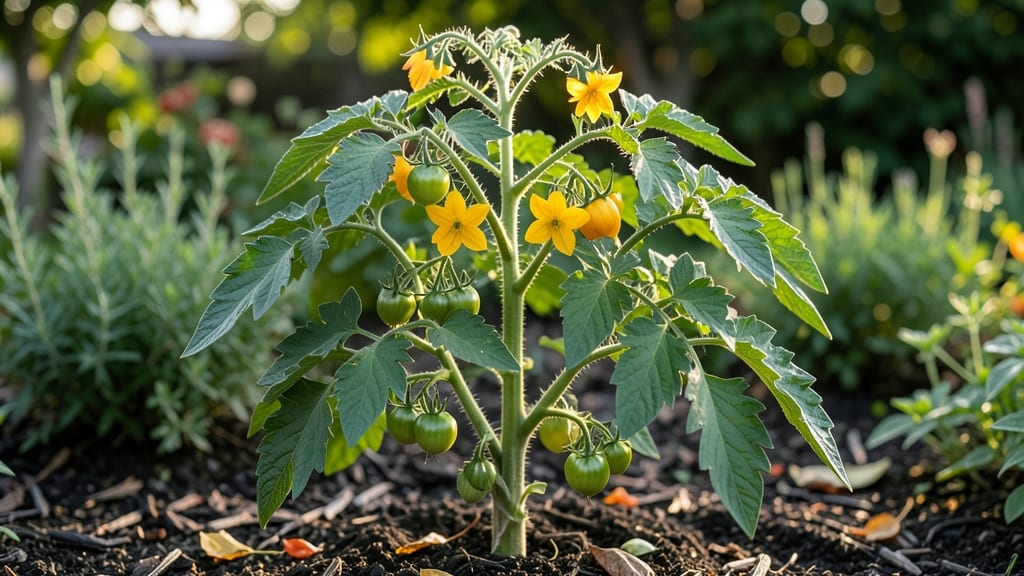
Your tomato plant’s yellow leaves aren’t just a warning—they’re screaming either "drown me" or "thirsty!" 🌱 The difference between overwatered and underwatered roots can mean the difference between a bountiful harvest and a sad, wilted bush.
I’ve saved more tomato plants than I’ve lost by learning these two key symptoms: soggy soil vs. dry cracks, and roots that smell like rot or crumble to dust.
Overwatered plants show yellowing lower leaves that stay soft and mushy, while underwatered ones start yellowing from the edges and feel crispy to the touch. Stick your finger in the soil—if it’s damp 2+ inches down, you’re overdoing it.
If it’s bone-dry, your plants are begging for water. The roots tell the real story: healthy roots are firm and white, while overwatered roots turn black and stink, and underwatered ones shrivel like raisins.
Fix overwatered plants by letting the soil dry out completely between waterings and adding perlite or sand to improve drainage. For underwatered plants, water deeply until it runs out the bottom of the pot, then mulch to keep moisture in.
Both fixes take just a few days to show results—watch those leaves perk up and turn green again.
Here’s the secret weapon: water in the morning so excess drains away, and check soil moisture before you water—your tomatoes will thank you with juicier fruit and stronger vines. No more guessing, just growing.
The first option explained
Option A: The "Finger Test" Method 🌱👆
If you're unsure whether your tomato plants are overwatered or underwatered, the "Finger Test" is your go-to, foolproof technique! This hands-on approach lets you gauge soil moisture with precision—no fancy tools required. Here’s why it’s a gardener’s best friend:
🔍 Key Characteristics
- Simplicity: Just stick your finger into the soil (about 1-2 inches deep) to check moisture levels.
- Accuracy: Feels the soil’s texture—dry, damp, or soggy—revealing whether your plants are thirsty or drowning.
- Speed: Takes less than 10 seconds per plant, perfect for quick diagnostics.
- Cost-Effective: Zero tools needed; just your hands and a little know-how!
🌟 Benefits
- Prevents Guesswork: No more over- or underwatering based on hunches—just facts from the soil.
- Early Detection: Catches yellowing leaves or wilting before they become a full-blown problem.
- Adaptable: Works for containers, raised beds, or in-ground tomato plants.
- Educational: Teaches you to "read" your plants’ needs over time, boosting your green thumb!
🍅 Typical Use Cases
This method shines in scenarios where:
- You’re new to tomato gardening and want a no-fail watering strategy.
- Your plants show yellow leaves but you’re unsure if it’s water-related (or maybe nutrient deficiency?).
- You’re dealing with inconsistent weather (e.g., sudden downpours or heatwaves).
- You prefer low-tech solutions over soil moisture meters or apps.
Pro Tip: 💡 Test the soil early in the morning for the most accurate reading—evening watering can skew results!
The second option explained
Option B: The "Finger Test" Method 🌱👆
If you’re looking for a simple, no-tools-required way to check your tomato plant’s moisture levels, the Finger Test is your best friend. This hands-on approach lets you gauge soil hydration with just your fingers—no guesswork, no fancy gadgets!
🔍 Key Characteristics
- Tactile Feedback: Stick your finger 1-2 inches into the soil (about knuckle-deep). The texture will tell you all you need to know.
- Speed: Takes under 10 seconds—perfect for busy gardeners!
- Accuracy: Works for most soil types (sandy, loamy, or clay), though very dense clay may require a slightly deeper check.
- Cost: Zero dollars—just use what you’ve got!
✨ Benefits
- Instant Results: No waiting for moisture meters or trial-and-error watering.
- Educational: Teaches you to feel the difference between overwatered (soggy, cold) and underwatered (dry, crumbly) soil.
- Portable: Works anywhere—pots, raised beds, or in-ground gardens.
- Low-Tech: Ideal for beginners or those who prefer a hands-off (literally!) approach.
🍅 Typical Use Cases
This method shines in scenarios where:
- You’re new to gardening and want to avoid overcomplicating things.
- You’re traveling or don’t have access to tools—just pop your finger in the soil for a quick check.
- Your tomato plants are in containers or small pots, where moisture levels change rapidly.
- You’re troubleshooting yellow leaves and need a fast way to rule out watering issues.
💡 Pro Tip: Test the soil in multiple spots around the plant—moisture can vary, especially in larger pots or uneven terrain!
Key differences
Understanding the subtle—but critical—signs of overwatered vs. underwatered tomato plants can mean the difference between a thriving harvest and a sad, wilted disappointment. 🌱 Let’s break down the key differences head-to-head so you can diagnose your plant’s thirst (or waterlog) in minutes.
🌿 Leaf Color & Appearance
When it comes to leaves, overwatered and underwatered tomato plants send very different messages:
- Overwatered: Leaves turn yellowish-green or even grayish, often with a mushy, droopy texture. You might also spot black or brown spots (a sign of root rot or fungal issues).
- Underwatered: Leaves develop a dull, crispy yellow or brown edge, curling inward like a taco shell. The entire leaf may feel dry and papery to the touch.
💧 Soil & Root Health
The soil tells the real story—here’s how to read it:
| Overwatered | Underwatered |
|---|---|
|
|
🌡️ Temperature & Growth Response
Your plant’s temperature sensitivity also shifts based on hydration:
- Overwatered: Leaves feel cool to the touch (almost chilly). Growth may stall or produce weak, leggy stems.
- Underwatered: Leaves may feel warm or hot (especially in direct sun). Growth slows dramatically, and new leaves stay tiny and underdeveloped.
🍅 Fruit Development
Even the tomatoes themselves give clues:
- Overwatered: Fruit may split open (thanks to uneven water absorption) or stay small and bland.
- Underwatered: Tomatoes harden like rocks, develop leathery skins, or drop prematurely.
🕵️ The “Finger Test” (Pro Tip!)
Still unsure? Try the 1-inch soil check:
- Overwatered: Soil stays damp or wet 1 inch down.
- Underwatered: Soil is bone-dry at that depth.
💡 Pro Tip: Stick your finger in the soil—if it feels like a sponge, you’re overdoing it. If it’s powdery, it’s time to water!
When to choose which
Knowing when to use each approach depends on your tomato plant’s current state, climate, and soil conditions. Here’s how to decide:
🌱 Overwatering (Use Sparingly)
- When: Only if your soil is extremely dry (e.g., sandy or fast-draining) or during peak heatwaves (90°F+).
- Why: Overwatering is risky—it causes root rot, fungus, and stress. Never use it as a default.
- Best for:
- Emergency revival of severely wilted plants (after checking soil first!).
- Container gardens in full sun with poor drainage.
- Post-transplant shock (first 3–5 days only).
💧 Underwatering (Use Most Often)
- When: Your default watering method—always check soil moisture first (stick your finger 1–2 inches deep).
- Why: Tomatoes thrive on consistent moisture but hate soggy roots. Underwatering is safer and mimics natural rainfall patterns.
- Best for:
- Established plants in well-draining soil (clay or loam).
- Cooler climates (<60°F) or shady conditions.
- Preventing blossom-end rot (a common underwatering side effect).
💡 Pro Tip: If your leaves are yellowing with crisp edges, you’re likely overwatering. If they’re dry, curled, or wilting, it’s time to water deeply (but not excessively). Always prioritize soil health over rigid schedules!
The bottom line
So, there you have it—your tomato plant’s yellow leaves are speaking! 🌱 Whether they’re begging for a drink or crying out for a breather, understanding the signs is your ticket to a thriving harvest. Remember:
- Overwatered? Look for yellowing leaves, wilting, or moldy stems—time to drain that soil and adjust your watering routine.
- Underwatered? Check for crispy edges, dry soil, or drooping leaves—it’s time to hydrate gently and save those roots!
Now grab that watering can (or your phone’s timer!) and give your tomatoes the love they deserve. Happy growing! 🍅✨