
Companion Plants
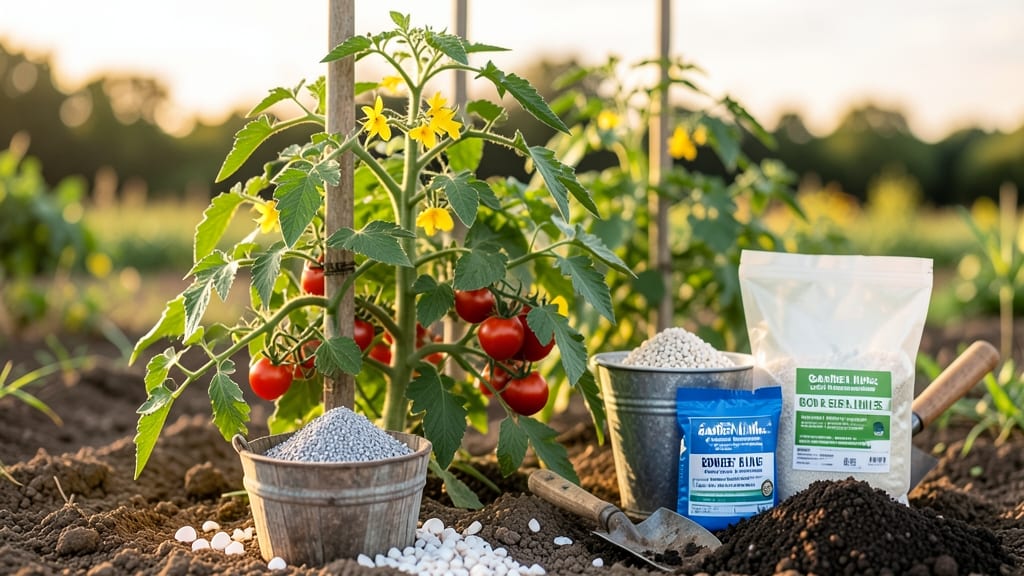
Sources of calcium for tomato plants include crushed eggshells, lime (calcium carbonate), wood ash, and bone meal—all applied directly to soil or foliar-sprayed as calcium nitrate. These prevent blossom end rot by addressing calcium deficiencies naturally.
Tomatoes need calcium to develop strong cell walls, especially during fruit formation.
When soil lacks this mineral, blossom end rot appears as sunken, dark spots on the fruit's blossom end. 🌱 I've found that organic sources like eggshells (baked and ground) or wood ash work best when worked into the soil before planting, while foliar sprays with calcium nitrate provide fast results during active growth.
The key is consistency—tomatoes are heavy feeders, so regular applications keep deficiencies at bay.
For best results, pair these amendments with proper watering practices. Calcium absorbs poorly in waterlogged soil, so maintain even moisture levels.
If you notice early signs of blossom end rot, a quick foliar spray can often reverse the damage before it worsens. 💫 The right calcium source depends on your soil type—test it first to determine if you need to raise pH (lime) or simply boost mineral availability (eggshells).
💡 In This Article
- How Calcium Deficiency Causes Blossom End Rot in Tomatoes
- Best Organic Calcium Amendments for Tomato Soil
Best organic calcium amendments for tomato soil
Calcium amendments work through different mechanisms—some raise soil pH to improve calcium availability, while others provide direct mineral supplementation. Crushed eggshells are my go-to for gardeners who want a free, kitchen-sourced option. Bake them at 200°F for 10 minutes to sterilize, then grind into a fine powder.
This form releases calcium slowly over months, making it ideal for pre-plant soil amendments. A general rule is to apply 1 cup per plant worked into the top 6 inches of soil, but adjust based on your soil's existing calcium levels.
For faster results, wood ash is a potent but alkaline amendment that dissolves quickly. Sprinkle 1/4 to 1/2 cup per plant around the base, keeping it 3 inches away from stems to avoid burning roots.
The high pH can disrupt nutrient balance, so test soil pH first—ideal levels for tomatoes are 6.0-6.8. 🌿 What most gardeners miss is that wood ash also provides potassium, making it a two-in-one fertilizer. However, avoid overapplying, as excess can lock out other essential nutrients like phosphorus and magnesium.
When blossom end rot appears mid-season, foliar sprays with calcium nitrate offer immediate relief. Mix 1 tablespoon per gallon of water and spray leaves thoroughly in the morning to prevent fungal issues. The calcium absorbs through leaf surfaces within hours, strengthening cell walls faster than soil amendments.
I've seen dramatic improvements in just 3-5 days of consistent spraying. For organic gardeners, this is the quickest fix when soil applications aren't enough.
Bone meal is another powerful option but requires careful timing. Apply 1/4 cup per plant at planting or early season—it releases calcium slowly over 3-6 months, making it better for long-term prevention than emergency fixes. The downside?
It's high in phosphorus, which can imbalance soil if overused. Always pair bone meal with compost to buffer its effects. For container gardens, mix 1/2 cup per 5-gallon pot into the growing medium before transplanting.
Each amendment has unique properties—eggshells for gradual release, wood ash for quick pH adjustment, foliar sprays for emergencies, and bone meal for long-term soil building.
The best choice depends on your tomatoes' current needs and soil conditions. 💫 Pro tip: Combine methods for maximum effectiveness—use eggshells pre-plant, wood ash mid-season, and foliar sprays when you spot early rot signs.
Remember that calcium uptake depends on multiple factors beyond just soil levels. Consistent moisture (never soggy soil), proper spacing to reduce root competition, and balanced fertilization all play crucial roles. When in doubt, start with eggshells—they're the safest bet for most gardeners and won't disrupt your soil's delicate balance.