
Planting
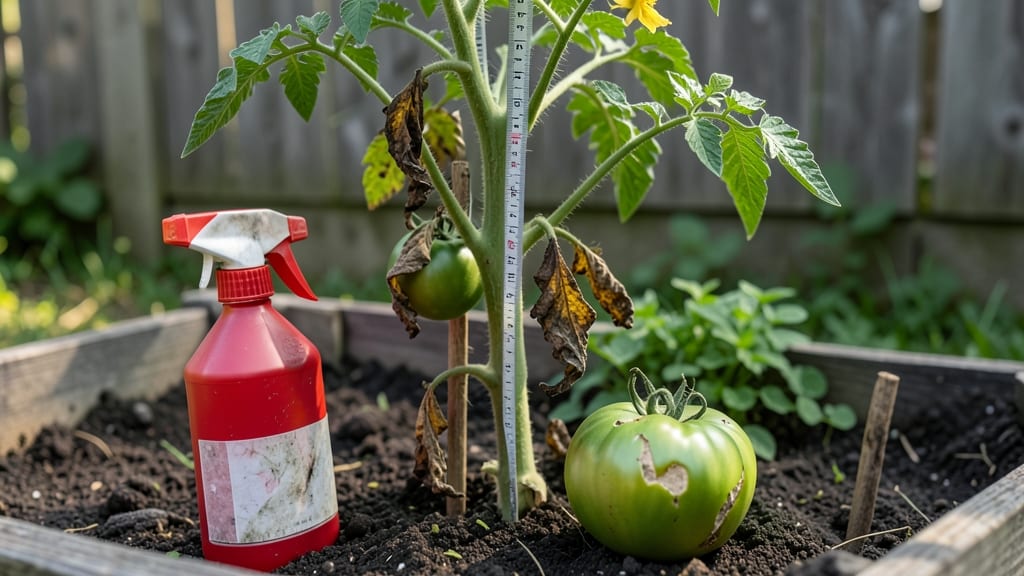
When your tomato plants show sudden wilting or strange brown spots, herbicide damage might be the culprit—especially from drift or accidental overspray. 🌱 I’ve nursed back more than a few plants after this exact problem, and the key is acting fast with organic fixes that don’t harm your garden long-term.
The first sign is often crispy edges on leaves or stunted growth, but don’t panic—plants are tougher than you think.
Glyphosate and other systemic herbicides are the usual suspects, sneaking in through wind or misapplication. Even a tiny amount can stress plants, but the good news is that tomatoes recover well with the right care.
Start by rinsing affected leaves with water to remove residue, then trim back damaged foliage to redirect energy to new growth. Within 2-3 weeks, you’ll see fresh, healthy leaves pushing through if the roots are still intact.
For long-term revival, focus on soil health—add compost or organic matter to help roots rebound faster. Avoid synthetic fertilizers for now, as they can stress plants further. Instead, use a diluted fish emulsion or seaweed extract to gently boost recovery.
Your plants might take a few weeks to bounce back, but with this approach, they’ll come back stronger than before.
Prevention is easier than cleanup: always check weather forecasts before spraying nearby, and consider organic alternatives like vinegar or corn gluten meal for weed control. A 10-foot buffer zone between herbicide-treated areas and your garden can make all the difference. Trust me, your future tomatoes will thank you!
Root Causes of Herbicide Harm
Herbicides are powerful tools for controlling weeds, but when they affect your tomato plants, the damage can be devastating. Understanding why this happens is the first step to prevention and recovery. Below, we break down the key reasons—from misapplication to chemical persistence—and explain the science behind the damage.
Herbicides are designed to target specific plant types, but mistakes in application can lead to collateral damage. Here’s how it happens:
- Wrong Herbicide Type: Glyphosate (e.g., Roundup) is a systemic herbicide, meaning it moves through a plant’s vascular system.
Tomatoes are non-target broadleaf plants, so glyphosate can be absorbed through leaves, stems, or even roots, disrupting photosynthesis and nutrient transport. Pre-emergent herbicides (like pendimethalin) are another culprit—they prevent seed germination by inhibiting root growth, which can smother young tomato seedlings if applied too close.
- Overlapping Spray Drift: Even if you’re careful, wind or improper nozzle settings can cause spray drift, where herbicide particles land on unintended plants. Tomatoes are particularly vulnerable because their large, broad leaves provide a bigger target for drifting chemicals.
- Incorrect Timing: Applying herbicides when tomatoes are in active growth phases (like flowering or fruiting) increases absorption. The plant’s cuticle layer (its natural protective barrier) is thinner during these stages, making it easier for chemicals to penetrate.
Pro Tip: 💡 Always check the herbicide label for crop compatibility and weather conditions (e.g., no spraying on windy days). A 24-inch buffer zone around tomato plants is a must!
Some herbicides don’t break down quickly, leaving residual activity in the soil that can harm future tomato plantings. Here’s how persistence plays a role:
- Soil Residue Buildup: Herbicides like 2,4-D (a common weed killer) can persist in the soil for months or even years, especially in clay or poorly drained soils.
If you planted tomatoes in the same spot after treating weeds, the residual chemicals can inhibit root development or cause stunted growth.
- Volatilization: Certain herbicides (e.g., dinitroanilines like trifluralin) can off-gas from the soil, turning into vapors that re-enter the air and redeposit on nearby plants. Tomatoes with young, tender leaves are highly susceptible to these fumes.
- Leaching into Water: Water-soluble herbicides (like atrazine) can seep into groundwater or move deeper into the soil profile. If your tomatoes are planted in sandy or loose soil, their roots may absorb these chemicals as they grow.
Pro Tip: 🌡️ Test your soil for herbicide residues before planting tomatoes. If you suspect contamination, amend the soil with compost or organic matter to speed up breakdown.
Even with perfect application, environmental factors can cause herbicides to behave unpredictably:
- Rain or Irrigation Wash-Off: If herbicide is applied before rain, it can be washed into the soil and absorbed by tomato roots. Post-emergent herbicides (like those containing dicamba) are especially risky—they can translocate (move internally) in plants, causing cupping, twisting, or necrosis in tomato leaves.
- Microorganism Breakdown Delays: Some herbicides rely on soil microbes to degrade them. If your soil lacks the right bacteria (due to poor health or recent chemical use), the herbicide can linger longer, increasing the risk of damage to tomatoes.
- pH and Soil Chemistry: Herbicides like glyphosate are less effective in high-pH soils (above 7.0), so growers may overapply them. This not only wastes product but also increases the chance of runoff or absorption by nearby crops.
Pro Tip: ✨ Use mulch (like straw or grass clippings) to block herbicide drift and reduce soil exposure. Avoid planting tomatoes in the same bed as treated weeds for at least 6 months.
Tomatoes aren’t just harmed by herbicides—they’re also more vulnerable when already stressed:
- Drought or Nutrient Deficiency: Plants under water stress or lacking potassium/magnesium have thinner cuticles, making them more susceptible to herbicide absorption. A deficient tomato plant will show symptoms (like yellowing leaves) sooner after herbicide exposure.
- Disease or Pest Pressure: If tomatoes are already battling blight, aphids, or spider mites, their immune system is compromised. Herbicide damage will manifest as stunted growth, wilting, or sudden leaf drop because the plant can’t allocate energy to recovery.
- Young or Old Plants: Seedlings have delicate root systems, while mature plants may have reduced vigor. Both are high-risk for herbicide damage because they can’t metabolize toxins as efficiently.
Pro Tip: 💪 Strengthen your tomatoes with balanced fertilization (especially potassium) and regular watering before and after herbicide treatment nearby. Healthy plants recover faster!
Reviving Your Tomatoes Naturally
Herbicide damage can feel like a death sentence for your tomato plants, but with the right steps, you can nurse them back to health—even if they look like they’ve been hit by a chemical time bomb.
The key is acting fast, identifying the damage, and using organic fixes tailored to the problem. Below, we’ll map the most common causes of herbicide damage to practical solutions, plus prevention tips to keep your garden thriving.
If your plants show signs of root burn (yellowing leaves, wilting, or stunted growth), the herbicide likely seeped into the soil. Here’s how to detoxify and revive them:
🔥 Step 1: Stop Watering (Temporarily)
- Why? Overwatering can spread herbicide deeper into the soil, worsening damage.
- How long? Skip watering for 24–48 hours to let the soil dry slightly.
🍳 Step 2: Flush the Soil with Clean Water
- Method: Water deeply 2–3 times over 2 days using rainwater or filtered water (tap water may contain chlorine or salts).
- Pro Tip: 💡 Add 1 tablespoon of Epsom salt per gallon of water to replenish magnesium, which herbicides can deplete.
👨🍳 Step 3: Boost Microbial Activity
Herbicides kill beneficial soil bacteria. Restore balance with:
- Compost tea (brew 1 cup compost in 5 gallons water for 24 hours, strain, and water plants).
- Mycorrhizal fungi (add to soil to help roots absorb nutrients again).
⏰ Recovery Timeline
- Mild cases: New growth in 7–10 days.
- Severe cases: May take 2–3 weeks—prune dead leaves to redirect energy.
If your tomato leaves look bleached, curled, or crispy (like they’ve been sun-scalded), the herbicide likely landed on the foliage. Act fast to prevent systemic damage:
🔪 Step 1: Rinse Affected Leaves
- How: Use a soft spray nozzle to gently wash leaves with soapy water (1 tsp mild dish soap per gallon).
- Avoid: Harsh scrubbing—herbicide residue can cling to delicate leaves.
🥘 Step 2: Apply a Protective Barrier - DIY shield: Mix 1 tablespoon of neem oil + 1 teaspoon of baking soda in a gallon of water.
Spray early morning or evening to coat leaves and deter further absorption. - Alternative: Use food-grade diatomaceous earth (sprinkle lightly around the base to block soil-to-leaf transfer).
🌡️ Step 3: Shield from Sun & Wind
- Temporary cover: Use shade cloth (30–50%) for 3–5 days to reduce stress.
- Windbreaks: Place a straw bale or cardboard on the windward side to prevent further drift damage.
✨ Prevention for Next Time
- Barrier method: Lay cardboard or mulch around plants before applying herbicides nearby.
- Timing: Avoid spraying herbicides when tomatoes are in bloom or fruit stage—they’re most vulnerable then.
Herbicide damage often starves plants of essential nutrients. Jumpstart recovery with these quick fixes:
| Nutrient Deficiency | Symptoms | Fix |
|---|---|---|
| Nitrogen (N) | Yellow lower leaves | Side-dress with alfalfa meal or fish emulsion (1 tbsp per plant). |
| Potassium (K) | Brown leaf edges | Water with banana peel tea (steep 3 peels in 2 cups water for 24 hrs). |
| Calcium (Ca) | Blossom end rot (fruits) | Sprinkle crushed eggshells around the base or use calcium nitrate. |
| Magnesium (Mg) | Yellow patches between veins | Spray Epsom salt solution (1 tbsp per gallon) every 2 weeks. |
💪 Extra Boost: Foliar Feeds
- Liquid kelp or seaweed extract (1 tsp per gallon) strengthens cell walls and speeds recovery.
- Aloe vera gel (diluted 1:10 with water) soothes burned leaves and reduces transpiration loss.
Once your tomatoes bounce back, keep them safe with these proactive strategies:
- 🌿 Crop Rotation: Avoid planting tomatoes in the same spot where herbicides were used last season.
- 🚫 Buffer Zones: Plant fast-growing cover crops (like clover) between your veggie beds and lawn to absorb stray herbicide.
- 🔍 Soil Testing: Check pH and nutrient levels annually—herbicide damage is worse in alkaline or nutrient-poor soil.
- 🛡️ Organic Alternatives: Use vinegar (20% acetic acid) or corn gluten meal for weeds instead of synthetic herbicides.
Remember: Even severely damaged tomatoes can recover if you act within 48 hours. Monitor daily, adjust care as needed, and soon you’ll be back to harvesting juicy, vine-ripened tomatoes—no chemical regrets! 🍅💚
Frequently asked questions
What are the first signs of herbicide damage on tomato plants?
Look for crispy brown edges on leaves, sudden wilting, or yellowing between leaf veins—these are classic symptoms. You might also spot stunted growth or distorted new leaves. The damage often appears within 24–48 hours of exposure, especially if the herbicide was systemic like glyphosate.
Can tomato plants recover from herbicide exposure?
With quick action, most plants bounce back in 2–3 weeks. Rinse affected leaves immediately, trim damaged foliage, and boost soil health with compost. Young plants recover faster than mature ones, but even severely affected tomatoes can regrow if the roots are still healthy.
How do I prevent herbicide drift from harming my tomatoes?
Create a 10-foot buffer zone between treated areas and your garden, and always spray on calm days. Use a shielding barrier (like cardboard) around plants, and avoid applying herbicides when tomatoes are flowering or fruiting—they’re most vulnerable then.
Is it safe to eat tomatoes affected by herbicide damage?
Only if the damage was mild and superficial. If leaves show severe browning or the plant was systemically affected (roots included), it’s safer to remove and compost the plant. Herbicides like glyphosate can accumulate in tissues, so when in doubt, discard the produce and focus on recovery.
What’s the best organic alternative to herbicides for my garden?
Try vinegar (20% acetic acid) for spot treatment or corn gluten meal as a pre-emergent. For established weeds, hand-pulling with a hula hoe works well. Mulch with straw or grass clippings to smother weeds naturally—it’s safer for tomatoes and the environment!