
Container Gardens
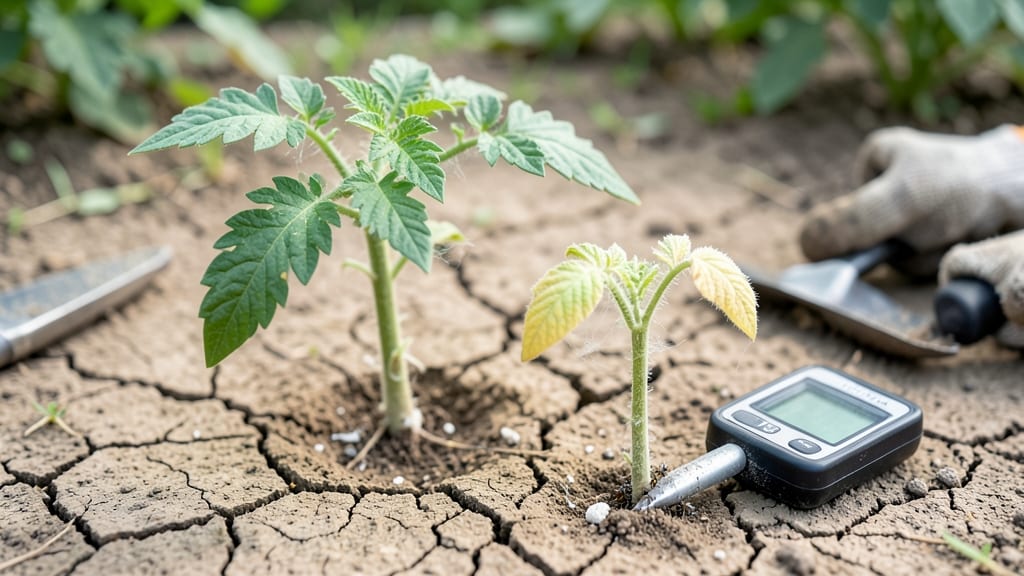
Your tomato seedlings stopped growing, but this isn't the end of the line. 🌱 The good news? Most cases are fixable with quick adjustments—whether it's water, light, or something lurking in the soil. I've revived dozens of stalled seedlings using these same tricks, and you can too.
The most common culprits are overwatering (which drowns roots) or underwatering (which stresses plants), but pests, temperature swings, and nutrient gaps can halt growth too. The key is spotting the signs: yellowing leaves, stunted stems, or powdery residue all point to specific fixes.
Within 3-5 days of the right adjustments, you'll see new growth—sometimes even the next morning. We're talking dark green leaves, sturdy stems, and roots that dig back in like nothing happened.
Let's troubleshoot step by step—no guesswork, just actionable fixes that work for containers, trays, or even windowsill starts.
Root Causes Behind Stunted Growth
When your tomato seedlings hit a growth plateau, it’s usually a cry for help from their roots—or something blocking their path to success. Understanding why your seedlings are stalled is the first step to reviving them.
Below, we break down the most common culprits, backed by science, so you can diagnose and act fast.
Tomato seedlings need a nutrient-rich, well-aerated soil mix to thrive. If the soil is compacted, waterlogged, or lacking essential nutrients, roots struggle to absorb what they need, leading to stunted growth.
- Compacted Soil: Heavy or clay-like soil restricts root expansion, limiting water and oxygen uptake. Roots become suffocated, slowing growth.
- Fix: Amend soil with compost or perlite to improve aeration.
- Low Nutrients: Seedlings deplete nutrients quickly. Without phosphorus (for root development) or nitrogen (for foliage), growth stalls.
- Fix: Use a balanced fertilizer (10-10-10) or compost tea to replenish nutrients.
- Wrong pH: Tomatoes prefer a slightly acidic soil (pH 6.0–6.8). Soil that’s too alkaline or acidic locks out vital nutrients like iron and zinc.
- Fix: Test soil pH and adjust with sulfur (to lower) or lime (to raise).
Water is life—or death—for seedlings. Overwatering or underwatering both create stress that halts growth.
- Overwatering: Soggy soil cuts off oxygen, leading to root rot (Pythium or Phytophthora fungi). Roots suffocate, and seedlings wilt despite excess water.
- Fix: Let the top inch of soil dry before watering again. Use pots with drainage holes.
- Underwatering: Drought stress forces seedlings to conserve energy, pausing growth. Wilting or dry, crispy leaves are red flags.
- Fix: Water consistently at the soil level (not leaves) to encourage deep root development.
Tomato seedlings are light-hungry. Without enough sunlight, they stretch (etiolation) or grow weak, diverting energy away from roots.
- Insufficient Light: Less than 6–8 hours of sunlight daily weakens seedlings. Artificial grow lights can help, but natural light is best.
- Fix: Move seedlings to a sunnier spot or supplement with LED grow lights (12–16 hours/day).
- Leggy Seedlings: Overcrowding or shade causes seedlings to elongate, making them top-heavy and unstable.
- Fix: Thin seedlings to 12–18 inches apart and rotate pots weekly for even growth.
Pests and pathogens can silently drain seedlings’ energy, leaving them weak and stunted.
- Aphids/Whiteflies: These sap-sucking insects weaken seedlings by feeding on leaves, reducing photosynthesis.
- Fix: Spray with neem oil or introduce ladybugs for natural pest control.
- Fungal Infections: Powdery mildew or damping-off (a soil-borne fungus) attack young roots or stems, causing collapse.
- Fix: Avoid overwatering, use fungicide (copper-based), and sterilize tools between plants.
- Root-Knot Nematodes: Microscopic worms burrow into roots, disrupting nutrient absorption.
- Fix: Solarize soil (cover with clear plastic for 4–6 weeks) or plant resistant varieties like ‘Mountain Merit.’
Tomatoes are warm-season plants. Extreme heat or cold shocks their systems, halting growth.
- Cold Stress: Temperatures below 50°F (10°C) slow metabolic processes, stunting seedlings.
- Fix: Use row covers or move pots to a sheltered, warmer spot.
- Heat Stress: Above 90°F (32°C), seedlings may wilt or stop growing due to transpiration stress.
- Fix: Provide afternoon shade and mulch to retain moisture.
- Transplant Shock: Moving seedlings too early or roughly damages roots, delaying recovery.
- Fix: Harden off seedlings gradually (acclimate to outdoor conditions over 7–10 days) before transplanting.
Each of these factors can individually—or in combination—derail your seedlings’ growth. The good news? Most are reversible with targeted fixes. Next, we’ll dive into actionable solutions to get your tomato seedlings back on track. 🚀
Quick Fixes to Revive Stalled Seedlings
When your tomato seedlings hit a growth pause, don’t panic—just act! The key is identifying the root cause (literally or figuratively) and applying the right remedy. Below, we’ve mapped out practical, step-by-step solutions for the most common reasons seedlings stall, plus prevention tips to keep them thriving.
Let’s get those plants back on track!
Fix: Give them space to stretch their legs (and roots).
- 🔥 Check the Roots Gently remove the seedling from its container and inspect the roots. If they’re circled tightly or poking out of drainage holes, it’s time to upgrade.
- 🍳 Repot into Larger Containers
- Use individual pots (4–6 inches deep) or a shared tray with cells (at least 2–3 inches per seedling).
- Fill with well-draining potting mix (avoid garden soil—it compacts).
- Bury stems up to the first true leaves to encourage stronger root growth.
- 👨🍳 Thinning Tips
- If seedlings are too close, snip the weakest ones at the base with clean scissors.
- Leave the healthiest, sturdiest seedling per pot.
💡 Prevention:
- Start with larger seedling trays (2–3 inches deep) to delay the need for repotting.
- Use biodegradable pots (like peat or coconut coir) to avoid transplant shock later.
Fix: Move them to a sunnier, warmer spot.
- 🌡️ Optimize Light Exposure
- Outdoors? Place seedlings in full sun (6+ hours/day). If temps drop below 50°F (10°C), use a cloche or row cover for warmth.
- Indoors? Rotate trays daily for even growth and supplement with a grow light (12–16 hours/day, 2–4 inches above plants).
- 🔥 Boost Warmth
- Place trays on a heat mat (70–80°F / 21–27°C) for 12–16 hours/day if nights are chilly.
- Avoid drafts (like AC vents or open windows).
💡 Prevention:
- Start seeds indoors 6–8 weeks before the last frost for a head start.
- Use black plastic mulch outdoors to warm soil faster.
Fix: Let roots breathe and dry out slightly between waterings.
- 🔪 Check for Root Rot
- Gently squeeze the soil—if it’s soggy and smells foul, roots may be rotting.
- Solution: Repot in fresh, dry potting mix and hold off on watering for 2–3 days.
- 🥘 Adjust Your Watering Routine
- Water only when the top inch of soil is dry (stick your finger in to test).
- Use a watering can with a narrow spout to avoid drowning roots.
- Drainage is critical! Ensure pots have holes and use a tray underneath to catch excess.
💡 Prevention:
- Mix perlite or vermiculite (20%) into potting soil for better aeration.
- Avoid watering on a schedule—check moisture levels instead.
Fix: Feed them the right balance of food.
- 📊 Diagnose the Problem
- Yellow lower leaves? Likely nitrogen deficiency (common in new seedlings).
- Purple stems or slow growth? Could be phosphorus or potassium shortage.
- Crispy edges or stunted growth? Possible over-fertilization (burned roots).
- 💪 Fertilize Correctly
- First 2 weeks: Use half-strength balanced fertilizer (5-5-5 or 10-10-10).
- Weeks 3–6: Switch to a low-nitrogen, high-phosphorus fertilizer (e.g., 5-10-10) to encourage root growth.
- Organic option: Diluted fish emulsion or compost tea works gently.
- ✨ Avoid Burnout
- Never fertilize soil that’s dry or cold—wait until roots are established.
- Flush soil monthly with water to prevent salt buildup.
💡 Prevention:
- Test soil pH (ideal: 6.0–6.8 for tomatoes).
- Side-dress with compost when seedlings are 4–6 inches tall.
Fix: Isolate and treat before damage spreads.
- 🔍 Identify the Culprit
- Aphids, spider mites, or whiteflies? Look for sticky residue or tiny bugs.
- Fungal issues (damping off)? Check for mushy stems or moldy soil.
- 🛡️ Treat Gently
- Pests: Spray with neem oil (1 tsp per quart of water) or insecticidal soap.
- Fungus: Remove affected seedlings, sterilize tools with rubbing alcohol, and repot in fresh, dry mix.
- Prevent spread: Keep trays elevated and avoid overhead watering.
💡 Prevention:
- Rotate crops if reusing containers.
- Sterilize tools between uses to prevent disease transfer.
Fix: Ease them into their new home.
- 🌿 Harden Off Gradually
- Week 1: Move seedlings outside for 1–2 hours/day, then bring them back in.
- Week 2: Increase time to 4–6 hours, protecting from wind/rain.
- Final step: Leave them out overnight 3–4 days before full transplant.
- 🌡️ Time It Right
- Wait until night temps stay above 50°F (10°C).
- Transplant in cloudy weather to reduce stress.
💡 Prevention:
- Use shade cloth the first week after transplanting.
- Water deeply before and after moving to reduce shock.
Frequently asked questions
Why are my tomato seedlings just sitting there instead of growing?
Your seedlings might be stalled due to root-bound conditions (crowded pots), nutrient depletion in the soil, or light deficiency. Check for yellowing leaves (nutrient issue) or roots circling the pot (time to repot). Even pests like aphids can drain energy—inspect leaves for sticky residue.
How do I know if my seedlings need more light or fertilizer?
Look for these clues: Leggy, stretched seedlings need more light (move to a sunniest spot or add grow lights). Yellow lower leaves signal nitrogen deficiency—use half-strength fertilizer. Purple stems mean phosphorus is lacking—switch to a 5-10-10 blend. If leaves are crispy, you’ve over-fertilized.
Can I save seedlings with mushy stems or black spots?
Those are classic signs of damping-off fungus or root rot. Remove affected seedlings immediately, sterilize tools with rubbing alcohol, and repot the healthy ones in fresh, dry potting mix. Avoid overwatering—let the top inch dry between waterings. For prevention, keep trays elevated and avoid overhead watering.
Is it too late to fix my 4-week-old seedlings that stopped growing?
Never! With the right care, you can revive them in 3-5 days. Start by checking roots, adjusting light (6+ hours/day), and repotting if needed. Use a balanced fertilizer (5-5-5) and ensure proper drainage. Most seedlings bounce back quickly once their basic needs are met—don’t give up!
Should I transplant my stalled seedlings into the ground now?
Only if night temps stay above 50°F (10°C) and you’ve hardened them off (gradually exposed to outdoor conditions for 7-10 days). Transplanting too early causes shock. First, solve any growth issues indoors—repot, adjust light, and fertilize. Stronger seedlings handle transplanting better.