
Vegetables
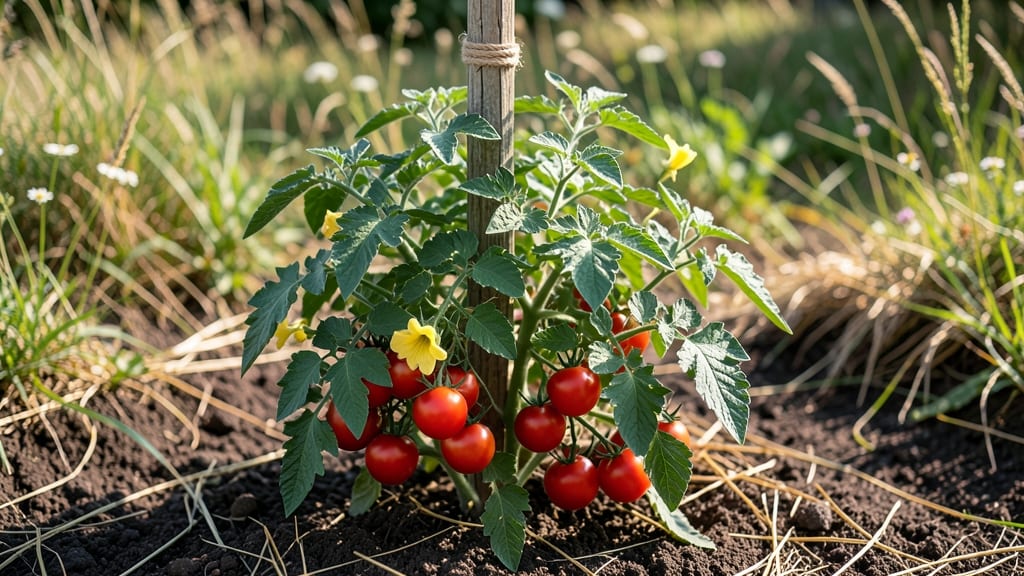
Growing German Johnson tomatoes transforms your garden into a 6-foot-tall vine of sweet, beefsteak-sized fruit. 🌱 This heirloom variety isn’t just productive—it’s a showstopper, with glossy green leaves and tomatoes that weigh in at 1 pound each when ripe. The secret to success?
Trellising, which keeps the vines tidy and the fruit easy to reach. Most gardeners struggle with floppy tomato plants, but German Johnson demands vertical support. A sturdy trellis or cage isn’t optional—it’s what turns this variety from a sprawling mess into a neat, high-yielding powerhouse.
Start with well-draining soil rich in compost, and you’ll see those first blossoms appear in 6-8 weeks after transplanting. By mid-summer, you’ll be harvesting dozens of tomatoes per plant, each with a balance of sugar and acid that makes store-bought varieties taste bland.
The key is consistent watering (1-2 inches per week) and pruning suckers to focus energy on fruit production. Pests like hornworms love these plants, so keep an eye out for hungry caterpillars. This variety thrives in zones 4-10, making it versatile for nearly any climate.
Whether you’re a first-time gardener or a seasoned pro, German Johnson delivers reliable, restaurant-quality tomatoes with minimal fuss. Ready to grow the best beefsteaks of your life?
📚 In This Guide
- What you need
- Instructions
- Tips and common mistakes
- Wrapping up and next steps
What you need
- ● German Johnson tomato seeds or seedlings – 3-5 plants (for a small harvest) or 6-10 (for a bountiful yield). Opt for organic, non-GMO seeds for the best flavor!
- ● Trellis or sturdy support system – A 6-8 ft tall wooden, metal, or PVC trellis (or a strong tomato cage as a backup). Aim for 16-24 inches between supports for stability.
- ● Well-draining potting mix or garden soil – A blend rich in compost (20-30%) and organic matter. For containers, use a 5-gallon pot minimum per plant.
- ● Fertilizer – A balanced 10-10-10 or 5-5-5 organic fertilizer (or compost tea) to kickstart growth. Avoid high-nitrogen blends—German Johnsons love phosphorus for fruiting!
- ● Mulch (straw, grass clippings, or shredded leaves) – 2-3 inches thick to retain moisture and suppress weeds.
- ● Garden trowel or transplanting spade – For planting seeds/seedlings with care.
- ● Pruning shears or sharp scissors – To trim suckers and shape the vine (sterilize blades with rubbing alcohol!).
- ● Garden twine or soft plant ties – 2-3 ft per plant to secure vines to the trellis gently (avoid plastic ties—they can cut into stems!).
- ● Watering can or drip irrigation system – German Johnsons hate soggy feet but love deep, consistent watering (1-2 inches per week).
- ○ Gloves (optional but recommended) – Protect your hands from thorns and prickly stems!
- ● Sunlight – Full sun (6-8+ hours daily). German Johnsons are sun-worshippers!
- ● Warmth – Start seeds indoors 6-8 weeks before last frost (or transplant seedlings after soil reaches 50°F+).
- ● Space – 18-24 inches between plants (they’ll sprawl if unsupported!).
- ● Patience – German Johnsons take 75-90 days to mature, but the wait is worth it for those massive, beefsteak tomatoes!
Step-by-step instructions for growing German Johnson tomatoes on trellises
Here's how to turn sprawling German Johnson vines into a trellis-trained bounty—no sprawl, no fuss.
🪴 Step 1: Set Up a Sturdy Trellis System
German Johnson's indeterminate vines need a 6-8 foot tall trellis to climb properly. I use a wooden A-frame trellis with 1-inch diameter horizontal supports spaced 12 inches apart—this gives the plants plenty of room to sprawl horizontally while vertical growth stays controlled. Secure the trellis firmly in the ground or attach it to a sturdy post to handle the 15-20 pound weight of a fully laden vine.
Position the trellis in full sun where it won't be shaded by other plants. The ideal spot gets at least 8 hours of direct sunlight daily. If your garden gets afternoon shade, choose a location where the trellis receives morning sun exclusively—German Johnson tolerates partial shade better than most heirlooms but still needs strong light to produce flavorful fruit.
🌱 Step 2: Plant Deeply and Stake Early
Dig a hole twice as wide as the root ball but only as deep as the container—German Johnson roots don't like being buried too deeply. Loosen the roots slightly if they're circling in the pot, then place the plant so the topmost set of leaves sits just above soil level. This encourages strong root development below ground while keeping the stem stable.
Drive a 4-foot wooden stake into the ground 6 inches away from the plant on the side opposite the trellis. Tie the main stem loosely to the stake with soft plant ties (never wire or twine—it cuts into stems as they thicken). The goal is to support the plant without restricting growth. Once the vine reaches the trellis, gently weave the main stem through the horizontal supports and secure it every 12 inches with ties.
☀️ Step 3: Prune for Airflow and Fruit Production
German Johnson benefits from sucker removal—those little shoots that form in the leaf axils. Pinch off suckers when they're smaller than a pencil eraser to redirect the plant's energy into fruit production. Focus on removing suckers below the first 6-8 inches of the vine to encourage bushier lower growth that bears more fruit.
Once the vine reaches the top of the trellis, stop pruning upward growth—let the vine continue climbing naturally. However, prune back any side shoots that grow toward the trellis supports to prevent shading and improve airflow. You'll see healthier fruit development when leaves aren't competing for light with the trellis structure.
💧 Step 4: Water and Feed for Maximum Yield
Water German Johnson deeply 1-2 times per week, aiming for 1-1.5 gallons per plant each time. The soil should be dry 2-3 inches down before watering again—consistent moisture prevents blossom-end rot, a common issue with heirloom tomatoes. Water at the base of the plant in the morning to reduce disease risk and give foliage time to dry before evening.
Feed plants every 2-3 weeks with a balanced liquid fertilizer (10-10-10 or similar) mixed at half-strength. German Johnson responds well to compost tea or fish emulsion for a nutrient boost, especially when flowers appear. Avoid high-nitrogen fertilizers—they promote leafy growth at the expense of fruit. You'll know you're on track when the plant produces steady blossoms every 2-3 weeks throughout the season.
✂️ Step 5: Harvest and Maintain Through Fall
Pick tomatoes when they're fully colored and slightly soft to the touch—German Johnson's red fruit ripens from the stem inward, so a deep red blush means it's ready. Harvest every 2-3 days during peak production to encourage more flowering. Use a small knife or pruners to cut stems cleanly, leaving a ¼ inch of stem attached to the fruit.
As fall approaches, reduce watering gradually to harden off the plant. Once temperatures drop below 50°F at night, the vine will slow production. You can prune back the trellis-supported growth after the first frost to clean up the garden, but leave the lower portion of the plant—German Johnson often produces a final flush of fruit before winter.
Tips & tricks for perfect German Johnson tomato trellis growth
Here's what nobody tells you about transforming sprawling heirlooms into a vertical powerhouse—these are the details that make all the difference.
Trellis Positioning: German Johnson vines reach their full potential when positioned to catch morning sun exclusively if afternoon shade is unavoidable. The key is to avoid any shading on the trellis structure itself—even partial shade can weaken the vine's ability to produce flavorful fruit. I've seen plants in afternoon shade still yield well because the trellis receives unobstructed morning light, which is when photosynthesis is most efficient.
Root Ball Strategy: When planting, gently tease apart any circling roots in the container—this prevents girdling as the plant matures. The topmost leaves should sit just above soil level, not buried. I learned this the hard way after seeing several plants struggle with root rot from being planted too deeply. This simple adjustment makes a world of difference in early establishment.
Pruning Precision: Focus your sucker removal efforts below the first 6-8 inches of the vine, where the plant naturally produces side shoots that can become fruit-bearing branches. Once the vine reaches the top of your 6-8 foot trellis, stop pruning upward growth—this allows the plant to continue its natural vertical progression while maintaining airflow through the trellis structure. The goal is to create a balanced plant that produces fruit at multiple levels rather than concentrating all energy at the top.
Fertilizer Timing: The 2-3 week feeding schedule works best when you notice the first flowers appearing. This is when the plant needs that nutrient boost to support fruit development. I've found that compost tea applied at this stage provides a gentle but effective nutrient increase without the risk of burning that can come with concentrated fertilizers. The steady blossoms every 2-3 weeks you'll see are your reward for perfect timing.
Pro Tips for Tomato German Johnson
- Here's what nobody tells you about transforming sprawling heirlooms into a vertical powerhouse—these are the details that make all the difference.
- Trellis Positioning: German Johnson vines reach their full potential when positioned to catch morning sun exclusively if afternoon shade is unavoidable.
- Root Ball Strategy: When planting, gently tease apart any circling roots in the container—this prevents girdling as the plant matures.
Frequently asked questions
Got questions about growing the Tomato German Johnson? You’re not alone! This heirloom beauty is stunning but comes with its own quirks. Here are answers to the most common queries to help you grow confidently.
How tall does German Johnson need to trellis?
The Tomato German Johnson can grow 8–12 feet tall with proper support! Start trellising early—when plants are 12–18 inches tall—to prevent sprawling. Use sturdy stakes or a cattle panel trellis for heavy vines. Prune suckers regularly to encourage upward growth and better air circulation.
When should I transplant German Johnson seedlings?
Wait until nighttime temperatures stay above 55°F (13°C)—usually 2–3 weeks after your last frost date. Harden off seedlings for 7–10 days before transplanting to avoid shock. Plant deep (bury ⅔ of the stem) to encourage strong root growth. Morning cloudy days are ideal for minimal transplant stress!
Why are my German Johnson tomatoes cracking?
Cracking (radial or concentric) is common in fast-growing varieties like German Johnson. Inconsistent watering (drought followed by heavy rain) is the usual culprit. Keep soil evenly moist—not soggy—especially during fruit development. Mulch helps stabilize soil moisture, and harvesting early can reduce severity.
Can I grow German Johnson in containers?
Yes! But choose a large container (at least 5 gallons) with drainage holes. Use a lightweight potting mix and a strong trellis or cage (vines can top 6–8 feet in containers). Place in full sun and fertilize weekly with a balanced tomato feed. Container-grown plants may yield slightly less but still produce beautiful, beefy tomatoes!
What’s the best way to store German Johnson tomatoes?
These tomatoes don’t ripen well off the vine, so harvest when fully colored (deep red) but still firm. Store at room temperature (55–65°F) for 1–2 weeks. Avoid refrigeration—it ruins flavor! For longer storage, freeze or can them whole or as sauce. Pro tip: Wrap individually in paper towels to prevent bruising.
Wrapping up and next steps
Growing Tomato German Johnson is a rewarding adventure for any gardener, blending vibrant flavors with sturdy trellis-friendly vines. Whether you're a seasoned green thumb or a beginner, these heirloom beauties promise juicy, sweet rewards—just give them the right space, support, and care.
Now that you’re armed with tips on soil, stakes, and pruning, roll up your sleeves and let your garden flourish!
🌱 Next step: Mark your calendar for planting (or transplanting) in early spring after the last frost. Watch those vines climb, blossom, and burst with flavor—your future German Johnson harvest is just weeks away! 🍅✨