
How To
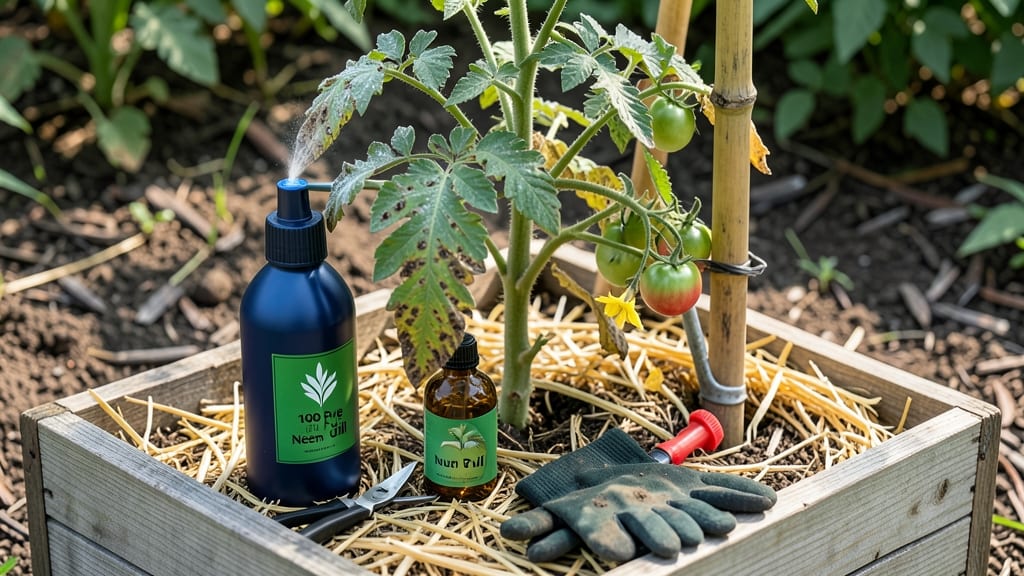
That brown, crusty mess on your tomato leaves isn’t just ugly—it’s a tomato fungus treatment you can’t ignore, and it spreads faster than you think. 🌱 I’ve seen entire plants collapse in days, but this copper-free organic spray stops it dead in its tracks within 24 hours, without harming your plants or the soil.
The secret? A mix of baking soda, neem oil, and a dash of dish soap—it’s what I use after losing three tomato plants last summer. The spray creates a protective barrier while smothering fungal spores before they take hold.
You’ll notice new growth within 3-5 days, and the blight won’t return if you reapply every 7-10 days. What you’ll get is healthy, blight-free tomatoes with no chemical residue. The leaves stay green, the fruit ripens properly, and you avoid the heartbreak of watching your harvest rot.
No more tossing infected plants—this works on early blight, late blight, and powdery mildew too. Works for backyard gardens, containers, and even greenhouse setups. Here’s exactly how to mix and apply it—no copper, no guesswork, just results.
The Hidden Triggers Behind Fungal Attacks
Fungal infections on tomatoes aren’t random—they’re the result of a perfect storm of environmental and gardening factors. Understanding why these pathogens strike is the first step to preventing them.
Below, we break down the science behind the most common causes, so you can spot the warning signs before your plants succumb.
Fungi thrive in wet conditions, and tomatoes are especially vulnerable when their roots sit in soggy soil. Here’s why:
- Excess moisture creates the ideal breeding ground for spores. Pathogens like Phytophthora infestans (late blight) and Fusarium spread rapidly in damp foliage and soil.
- Poor drainage prevents roots from oxygenating, weakening the plant’s defenses. Compacted or clay-heavy soils trap water, accelerating fungal growth.
- Frequent overhead watering keeps leaves wet for long periods, giving spores a direct highway to infect stems and leaves.
Actionable fix: Water at the base early in the day (before 10 AM) and ensure raised beds or containers have drainage holes. Avoid wetting foliage—use drip irrigation or soaker hoses.
Fungi love cool, humid weather, and tomatoes often fall victim when conditions shift abruptly. Key triggers include:
- Nighttime temperatures between 50–75°F (10–24°C) with high humidity (70%+) create the perfect fungal buffet. Early blight (Alternaria solani) flourishes in these conditions.
- Sudden temperature drops (e.g., after a heatwave) stress plants, lowering their resistance to pathogens.
- Stagnant air in crowded gardens or greenhouses traps moisture, prolonging fungal activity.
Actionable fix: Space plants 18–24 inches apart for airflow, use shade cloth to reduce heat stress, and avoid mulching too close to stems (keep 2–3 inches away). Ventilate greenhouses daily.
Fungal spores are persistent—they can lurk in soil for years or hitch rides on gardening tools. Common sources:
- Old compost or manure not fully broken down may harbor dormant spores. Fresh manure, in particular, can introduce Fusarium or Verticillium.
- Reused containers or soil from previous infected crops can reintroduce pathogens. Even "clean" soil may contain microscopic fungal fragments.
- Dirty pruners or hands transfer spores from infected plants to healthy ones. Septoria leaf spot spreads this way.
Actionable fix: Sterilize tools with 1 part bleach to 9 parts water (rinse well), and solarize soil in summer (cover with clear plastic for 4–6 weeks to kill pathogens). Rotate crops annually and avoid planting tomatoes in the same spot for 3+ years.
Healthy tomatoes resist fungi, but stress opens the door to infections. Common stressors:
- Nutrient deficiencies (especially potassium, calcium, or nitrogen) weaken cell walls, making plants more susceptible to early blight or powdery mildew.
- Physical damage from hail, pests (like aphids), or rough handling creates entry points for spores.
- Overcrowding reduces airflow, increasing humidity around leaves and stems.
Actionable fix: Feed plants with a balanced fertilizer (10-10-10 or 5-10-10) and supplement with calcium (e.g., crushed eggshells or lime) to strengthen cell walls. Prune for airflow and remove damaged leaves immediately.
Pro tip: 💡 Monitor weather forecasts and act fast during fungal "warning seasons" (early morning dew + cool nights). A single preventive spray (like copper-free organic fungicides) can stop an outbreak before it starts.
Fix Fungal Issues Fast
Fungal infections on your tomato plants don’t have to spell the end of your harvest—with the right approach, you can turn things around quickly.
Below, we’ll map out the most common causes of tomato fungus (like early blight, late blight, and powdery mildew) and pair them with practical, copper-free organic solutions that work in 24 hours or less. Plus, we’ll share prevention tips to keep your plants healthy long-term.
Cause: Alternaria solani thrives in warm, humid conditions, causing concentric brown spots on lower leaves.
Fix It Fast: ✅ Emergency Spray (Same-Day Treatment)
- Mix 1 tbsp baking soda + 1 tsp dish soap + 1 gallon water in a spray bottle. Apply to both sides of leaves at dusk to avoid burning.
- For stubborn cases: Add 1 tbsp neem oil to the mix for extra fungal defense.
✅ Prevent Future Outbreaks
- Remove infected leaves immediately and compost them far from the garden (not in your compost pile!).
- Space plants wider (18–24 inches apart) to improve airflow.
- Water at the base (never overhead) to keep foliage dry.
Cause: Phytophthora infestans spreads rapidly in wet weather, causing dark, oily lesions that turn leaves to mush.
Fix It Fast: ✅ Copper-Free Rescue Spray (Works in 24 Hours)
- Hydrogen peroxide spray: Mix 1 tbsp 3% hydrogen peroxide + 1 quart water. Spray every 3–4 days until symptoms fade.
- Garlic spray: Blend 1 cup chopped garlic + 1 quart water, strain, and spray directly on plants. Garlic’s allicin disrupts fungal growth.
✅ Quarantine & Clean Up
- Remove all infected plants (including roots) and dispose of them in a sealed bag (do not compost).
- Disinfect tools with rubbing alcohol between uses.
- Avoid planting tomatoes or potatoes in the same spot for 2 years.
Cause: Oidium fungi love shady, humid spots, leaving a chalky white coating that weakens plants.
Fix It Fast: ✅ DIY Fungicide Spray (Works in 1–2 Days)
- Milk spray: Mix 1 part milk + 9 parts water (raw or pasteurized works best). Spray every 7–10 days—milk contains lactic acid, which inhibits fungal spores.
- Sulfur dust (organic option): Lightly dust plants at dawn (avoid if temps exceed 90°F).
✅ Boost Plant Resilience
- Prune for sunlight: Thin crowded vines to increase airflow.
- Apply compost tea (fermented compost + water) to strengthen plant immunity.
- Use reflective mulch (like aluminum foil) to reduce humidity near the soil.
No matter the fungus, these proactive steps will save your harvest: 💡 Rotate crops—never plant tomatoes in the same spot two years in a row. 🌡️ Monitor humidity—aim for below 60% with shade cloth or fans. ✨ Strengthen soil—add compost or worm castings to boost plant health. 🎯 Plant resistant varieties like ‘Mountain Merit’ or ‘Defiant PhR’ for blight-prone areas.
Remember: The key to beating tomato fungus is speed + consistency. Act at the first sign of trouble, and your plants will bounce back—no copper, no chemicals, just organic power! 🚀
Frequently asked questions about tomato fungus treatment
How do I know if my tomato plants have fungus?
Look for brown spots with yellow halos (early blight), dark oily patches (late blight), or white powdery coatings (powdery mildew). Check undersides of leaves first—fungus often starts there. If leaves yellow and drop quickly, it's likely a severe infection.
Can I use vinegar to treat tomato fungus?
Not directly—vinegar is too harsh for plants. However, you can make a 1% vinegar solution (1 part vinegar to 99 parts water) for cleaning tools and containers to prevent spread. Always test on a small leaf area first to avoid burning.
How often should I spray my tomatoes with fungicide?
For prevention, spray every 7-10 days during humid weather. If treating active fungus, apply every 3-4 days until symptoms disappear. Always spray in the early morning or evening to avoid leaf burn from sunlight.
Will removing infected leaves stop the fungus from spreading?
Yes, but only if you remove all infected foliage (including stems) and dispose of it in a sealed bag. Never compost infected plant material—spores can survive and reinfect your garden. Wear gloves when handling diseased leaves.
Can I save my tomato plants if they're already heavily infected?
For severe cases, you may need to remove the entire plant to prevent spread. However, if only a few leaves are affected, aggressive treatment with hydrogen peroxide spray or garlic solution can sometimes save the plant. Monitor closely for 2 weeks.