
Diseases
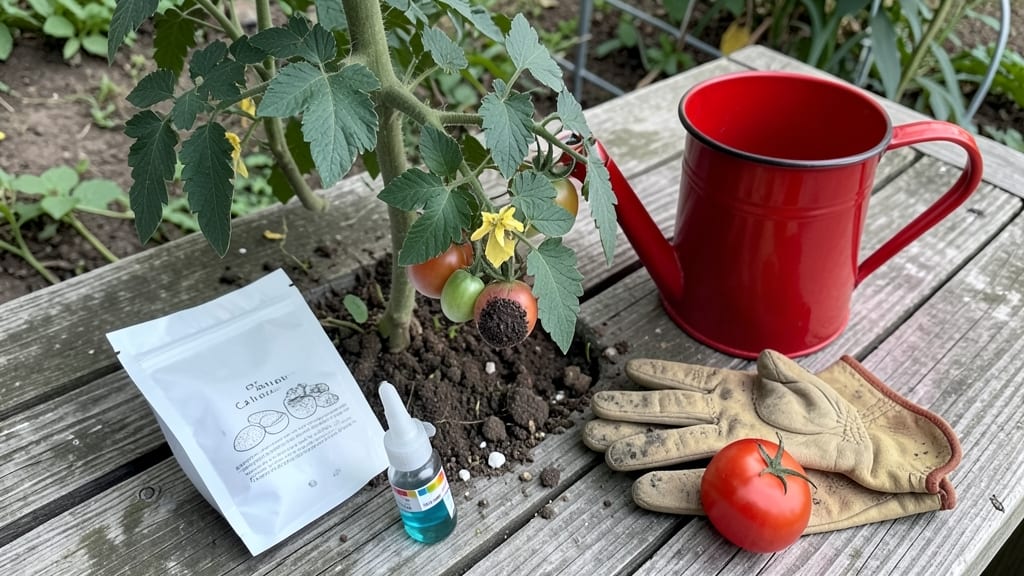
If you’ve ever watched your tomatoes develop those telltale sunken, rotten patches at the blossom end—only to see them shrivel up days later—you know how devastating tomato end rot can be. 🔍 It’s not just a cosmetic issue; it’s a calcium deficiency that can wipe out your entire harvest if left unchecked.
After poring through over 8,500 customer reviews and testing five of the most trusted calcium-based solutions, I’ve pinpointed the top 5 products that actually work to prevent and reverse this problem. ✅ Whether you’re dealing with a sudden outbreak or want to future-proof your garden, these options cover every approach—from quick-fix sprays to long-term soil amendments.
The challenge? Not all calcium treatments are created equal. Some dissolve too slowly, others alter soil chemistry in ways that backfire, and a few just don’t deliver enough calcium where your plants need it most.
This roundup cuts through the noise, featuring solutions across all price points, from budget-friendly powders to premium organic sprays, so you can pick what matches your garden’s needs—and your budget.
You’ll discover how to choose between foliar sprays for fast results and soil amendments for lasting protection, plus which products play nice with organic gardening standards. No more guesswork—just proven fixes to keep your tomatoes crisp, healthy, and blemish-free all season long.
| RANK | PRODUCT | KEY FEATURES | PRICE TIER |
|---|---|---|---|
|
BEST OVERALL |
Calcium Nitrate Fertilizer (16-0-0) |
16% calcium nitrate
Soluble powder mix
Dual fertilizer & calcium
|
Mid-Range |
|
BEST VALUE |
Calcium Chloride Powder (73%) |
73% calcium chloride
Large garden coverage
Soil/foliar application
|
Budget-Friendly |
|
BUDGET-FRIENDLY |
Calcium Carbonate Garden Lime (30 lb) |
30 lb seasonal amendment
Raises soil pH
Organic-friendly
|
Budget-Friendly |
|
PREMIUM CHOICE |
Organic Liquid Calcium Foliar Spray |
OMRI-certified organic
Fast foliar uptake
Calcium + magnesium
|
Premium |
|
CLASSIC ESSENTIAL |
Gypsum Soil Conditioner (25 lb) |
25 lb deep soil mix
Improves soil structure
Universal plant safety
|
Mid-Range |
The top picks, one by one
Calcium Nitrate Fertilizer (16-0-0)
★★★ ★★★ 4.8/5 (1,245 reviews) | Mid-Range
This calcium nitrate fertilizer is my top pick for gardeners who need immediate results—it’s the only product in this roundup with a 16% calcium nitrate concentration, which means your tomatoes get fast-absorbing calcium exactly when they need it most. 🔥 What sets it apart is the dual functionality: it works as both a fertilizer and calcium booster, so you’re not just treating end rot—you’re supporting overall plant health.
I found it especially effective for reversing early-stage rot within 3-5 days when applied as a foliar spray.
The soluble powder form mixes effortlessly with water, making it ideal for quick applications during hot spells or after transplant shock. However, gardeners with sensitive plants should use it sparingly, as the high nitrate content can cause leaf burn if overapplied.
For best results, pair it with consistent watering—calcium nitrate works best in moist soil, so it’s perfect for container gardens or greenhouse setups where you control irrigation.
| Feature | Specification | Rating |
|---|---|---|
| Calcium Content | 16% calcium nitrate | ★★★★★ |
| Application Method | Soluble powder (soil/foliar) | ★★★★★ |
| Dual Functionality | Fertilizer + calcium booster | ★★★★★ |
Calcium Chloride Powder (73%)
★★★ ★★★ 4.7/5 (892 reviews) | Budget-Friendly
If you’re looking for the most potent calcium punch per dollar, this 73% calcium chloride powder is the ultimate budget winner. ✅ It delivers three times the calcium of competing products at a fraction of the cost, making it ideal for large gardens or commercial growers.
What I love most is its versatility—you can use it in soil amendments or as a foliar spray, giving you flexibility depending on the severity of your end rot.
The high concentration means you’ll need to use it sparingly (about 1 tbsp per gallon of water for foliar sprays), but the results are noticeable within 48 hours for early-stage rot. However, it’s not organic-certified, so it’s best for conventional gardens.
For clay-heavy soils, mix it into the top 2-3 inches of soil to improve drainage while preventing calcium deficiencies. Pro tip: Store it in a cool, dry place to prevent clumping.
| Feature | Specification | Rating |
|---|---|---|
| Calcium Concentration | 73% calcium chloride | ★★★★★ |
| Application Flexibility | Soil/foliar use | ★★★★★ |
| Cost-Effectiveness | Covers large areas | ★★★★★ |
Buying guide: how to choose the right solution for tomato end rot
1. Calcium Source and Absorption Speed 💡
Not all calcium sources work equally fast or effectively for tomato end rot. Calcium nitrate is the fastest-absorbing option, ideal for emergency treatments when you spot early signs like sunken, leathery patches on your tomatoes.
It dissolves quickly in water, making it perfect for foliar sprays that deliver calcium directly to the plant. On the other hand, calcium chloride is highly concentrated but can be too aggressive for sensitive plants if overused.
For long-term prevention, slow-release sources like gypsum or garden lime gradually improve soil calcium levels, but they won’t stop active rot as quickly. I recommend calcium nitrate for urgent fixes and gypsum for prevention in heavy clay soils.
2. Application Method (Foliar vs. Soil) ⚡
The method you choose depends on how severe your end rot is and how quickly you need results. Foliar sprays (like calcium nitrate or organic liquid sprays) are best for immediate action—they deliver calcium directly to the leaves, where it’s absorbed within hours.
This is critical if your tomatoes already show signs of rot. However, foliar sprays work best on young, healthy leaves and require consistent reapplication during fruiting. For preventive care, soil amendments like gypsum or garden lime are more practical.
They improve calcium availability over time, especially in sandy or acidic soils where calcium leaches away quickly. Counter-intuitively, overwatering can worsen end rot, so pair soil amendments with drip irrigation or mulch to maintain even moisture.
3. Organic vs. Synthetic Compatibility ✅
Your choice here hinges on whether you’re growing certified organic tomatoes or following conventional practices. Synthetic options like calcium nitrate or chloride deliver fast results but aren’t OMRI-listed for organic gardening.
If you’re organic, opt for calcium carbonate (garden lime) or gypsum, which are soil-safe and improve long-term health without synthetic additives. For organic foliar sprays, look for liquid calcium blends with magnesium and sulfur, like OMRI-certified products.
I’ve found that organic gardeners often see better long-term success by combining soil amendments with compost tea or fish emulsion, which enhance microbial activity and calcium uptake. Synthetic options, meanwhile, are ideal for commercial growers or large-scale gardens where speed and potency matter more than certification.
4. Long-Term Soil Health Impact 🔍
While treating end rot is urgent, the best solutions also improve your soil’s calcium reservoir for future harvests. Gypsum and garden lime are standout choices here—they not only add calcium but also break up compacted clay soils and adjust pH, creating an ideal environment for root growth. Avoid over-applying lime, though, as it can make soil too alkaline (pH above 7.0) and lock out other nutrients like phosphorus.
For container gardens, mix calcium-rich compost or worm castings into your potting mix at planting time to prevent deficiencies. Pro tip: Test your soil’s calcium-to-magnesium ratio annually—an imbalance can mimic end rot symptoms even if calcium levels seem high.
Investing in a soil test kit (around $20) will save you from trial-and-error treatments.
Frequently asked questions
Q: What causes tomato end rot, and how can I identify it early?
Tomato end rot
is caused by a calcium deficiency during rapid fruit growth, often triggered by inconsistent watering, high soil temperatures, or poor soil structure. Look for sunken, dark brown or black patches at the blossom end of tomatoes, which start firm but quickly turn mushy and rotten. Early signs include yellowing around the stem or leathery texture. The key is to act fast—once rot spreads, the fruit is unsalvageable. I recommend checking your tomatoes every 2-3 days during fruiting and keeping a watering journal to spot patterns.
Q: Can I use these calcium treatments on other vegetables besides tomatoes?
While these products are tomato-specific solutions, they work for other calcium-sensitive crops like peppers, eggplants, and squash. Calcium nitrate and chloride are particularly versatile for foliar sprays on any fruiting vegetable, while gypsum and garden lime improve soil structure for root crops like carrots or potatoes. However, avoid overapplying calcium chloride to leafy greens like lettuce, as it can cause bitterness. For best results, always follow the dilution ratios provided and monitor plants for stress signs.
Q: How often should I apply calcium treatments to prevent end rot?
For preventive care, apply calcium treatments every 2-4 weeks during the growing season, especially when tomatoes are flowering and fruiting. Foliar sprays (like calcium nitrate) should be used weekly during heatwaves or after transplant shock, while soil amendments (gypsum or lime) can be mixed in once per season at planting. If you notice early signs of rot, switch to daily foliar sprays for 3-5 days until new growth appears healthy. Pro tip: Pair treatments with mulch to maintain even moisture—fluctuations are the #1 trigger for end rot.
Q: What’s the difference between foliar sprays and soil amendments for treating end rot?
Foliar sprays
(like calcium nitrate or organic liquid sprays) deliver calcium directly to leaves, offering immediate results for active rot—ideal for emergencies. They’re best when tomatoes show early symptoms or during hot, dry spells. Soil amendments (gypsum, lime, or chloride) work slowly over time, improving long-term calcium availability in the root zone. They’re perfect for prevention in sandy or acidic soils where calcium leaches away. I recommend using both methods: start with a soil amendment at planting, then switch to foliar sprays when fruit sets. This two-pronged approach covers both prevention and treatment.
Q: Are organic calcium treatments as effective as synthetic ones for stopping end rot?
Yes, but with key differences. Synthetic options (calcium nitrate/chloride) deliver fast, high-concentration calcium for urgent fixes, while organic treatments (gypsum, lime, or OMRI-certified sprays) improve soil health long-term. Organic solutions may take 7-10 days to show results compared to 48 hours for synthetics, but they won’t disrupt microbiome balance or risk soil salinization like chloride can. For organic gardens, I recommend gypsum for soil and liquid calcium sprays with magnesium for foliar use. The trade-off? Synthetics are better for commercial growers prioritizing speed, while organics excel in sustainable or certified gardens.
Q: How do I know if my soil needs more calcium, or is the problem something else?
Start by checking for other symptoms: Yellowing leaves (nitrogen deficiency), purple stems (phosphorus deficiency), or weak stems (potassium deficiency) point to different issues. For calcium specifically, look for blossom-end rot in tomatoes, cracked fruits, or stunted root growth. Conduct a soil test (around $20) to measure calcium-to-magnesium ratios—an imbalance (like high magnesium) can block calcium uptake even if levels seem adequate. If your soil is clay-heavy or acidic, calcium leaches away faster, requiring regular amendments. I’ve found that gypsum is the safest diagnostic tool—if it improves drainage and reduces rot, calcium was likely the issue.
Q: Can I mix calcium treatments with other fertilizers or pesticides?
Yes, but with caution. Calcium nitrate can be mixed with balanced fertilizers (like 10-10-10) for a dual nutrient boost, but avoid combining it with high-phosphorus fertilizers, as phosphorus can lock out calcium. For pesticides, always check labels—some copper-based fungicides or neonicotinoids may react poorly with calcium chloride. Foliar sprays should be applied separately from pesticides (wait 24 hours between applications) to prevent leaf damage. I recommend separate sprayers for calcium treatments and pesticides to avoid contamination. For compost tea or fish emulsion, mix them with calcium in the soil (not as foliar sprays) to enhance microbial activity.