
Vegetables
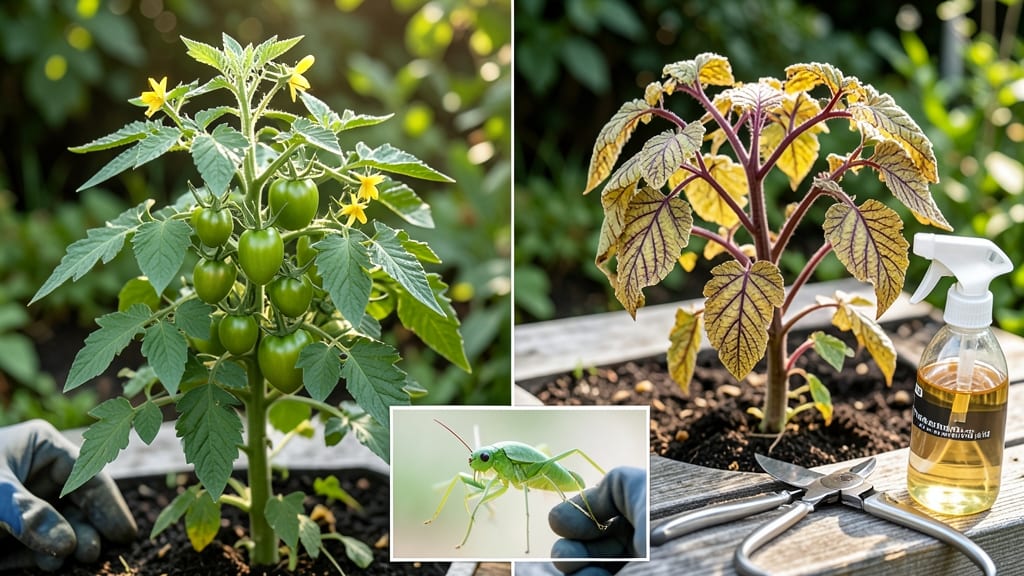
See those tomato curly top virus symptoms—crumpled leaves and stunted growth? That’s a clear sign of trouble, and catching it early means saving your harvest.
I’ve seen this stubborn disease ruin entire plants in just weeks, but there are ways to spot it before it spreads—and stop it in its tracks.
The first red flags are leaves that pucker upward like a crumpled paper bag, combined with yellowing veins and a stunted, almost skeletal appearance. Plants may also develop a shiny, waxy coating on leaves, and flowers drop off before setting fruit.
These symptoms don’t just appear—they escalate fast, so acting quickly is everything.
Once you recognize it, the next step is containment. Remove infected plants immediately (don’t compost them!) and check nearby crops for signs. Leafhoppers spread this virus, so reducing their numbers with row covers or insecticidal soap can help prevent future outbreaks.
For next season, choose resistant varieties like ‘Mountain Merit’ or ‘Defiant PhR,’ and keep your garden clean of weeds—leafhoppers love them. Prevention is the real game-changer here, and these steps make all the difference between a failed harvest and a thriving one.
Root Causes Of The Virus
The tomato curly top virus (TCTV) is primarily spread by Bemisia tabaci, a tiny whitefly insect, but its emergence in your garden isn’t random—it thrives under specific conditions. Understanding these triggers helps you disrupt the cycle before it devastates your plants. Here’s why this destructive pathogen takes hold:
The virus itself can’t move between plants on its own—it relies entirely on whiteflies to hitch a ride. These insects feed on plant sap, injecting viral particles as they move from infected to healthy plants. Here’s how it works:
- Larval stage: Whitefly nymphs (tiny, immobile) cluster on undersides of leaves, sucking sap from infected plants. They remain contagious for weeks.
- Adult feeding: Adult whiteflies can transmit the virus within minutes of probing an infected plant, even if they’ve previously fed on healthy ones.
- Long-distance spread: Wind or human activity (e.g., moving contaminated soil or tools) can transport whiteflies to new gardens, introducing TCTV where it didn’t exist before.
Actionable tip: 💡 Monitor leaves regularly—whiteflies leave a sticky residue ("honeydew") and yellowing stipples. Use yellow sticky traps near tomato patches to catch adults before they spread the virus.
TCTV spreads faster in heat and drought. Why?
- Stressed plants: Tomato plants under water stress produce more attractive sap to whiteflies, increasing feeding opportunities.
- Whitefly reproduction: Warm temperatures (above 75°F/24°C) accelerate whitefly life cycles, leading to explosive population growth in weeks.
- Virus survival: The virus thrives in dry conditions, while rain can wash away whiteflies temporarily—but drought stress makes plants more vulnerable.
Pro tip: 🌡️ Mulch soil to retain moisture and reduce stress. Drip irrigation (avoiding overhead watering) keeps leaves dry, making them less appealing to whiteflies.
Healthy tomato plants can resist or recover from TCTV better than stressed ones. Weakened plants become high-risk targets due to:
| Cause of Weakness | How It Affects Virus Risk |
|---|---|
| Nutrient deficiencies (e.g., nitrogen, potassium) | Reduces plant vigor, making it easier for whiteflies to penetrate leaves. |
| Overcrowded plantings | Poor airflow traps humidity, encouraging whitefly eggs and fungal growth. |
| Previous pest/disease damage | Open wounds or holes in leaves provide direct entry points for whiteflies. |
| Transplant shock | Newly planted tomatoes are 3x more susceptible to viral infection in the first 2 weeks. |
Key strategy: ✨ Start with certified disease-free seedlings and space plants 18–24 inches apart for airflow. Side-dress with compost mid-season to boost immunity.
By targeting these three root causes—whitefly activity, environmental stress, and plant health—you can break the virus’s cycle before it curls your tomato leaves for good. Early intervention is your best defense!
Stopping Tomato Curly Top Virus Spread
Tomato curly top virus (CTV) may sound like a hopeless battle, but with the right strategies, you can minimize damage, protect your garden, and prevent future outbreaks. Since CTV spreads via leafhoppers and infected plant material, your defense plan must tackle both prevention and containment.
Below are practical, actionable steps tailored to the root causes of infection.
Problem: Once symptoms appear, the plant is already compromised. Delaying removal lets the virus spread to healthy plants via leafhoppers or garden tools.
How to Fix It:
- 🔪 Cut and destroy infected plants—do not compost them (CTV survives in organic matter).
- 🗑️ Bag and discard plants in sealed trash (not yard waste) to prevent reinfection.
- 🌱 Monitor neighboring plants for 2–3 weeks, as symptoms may take time to show.
Pro Tip: 💡 If you’re unsure whether a plant is infected, dig up and test a few leaves under a magnifying glass for curly, stunted growth or yellowing. When in doubt, remove it.
Problem: These tiny, winged pests are the primary carriers of CTV. Without control, they’ll reinfect your garden in days.
How to Fix It:
- 🌿 Use reflective mulch (aluminum foil or silver plastic sheeting) around tomato beds—leafhoppers hate shiny surfaces and avoid them.
- 💦 Apply insecticidal soap or neem oil (spray in early morning/evening to avoid harming bees).
- 🕊️ Install fine mesh netting (1mm or smaller) over young plants to physically block leafhoppers.
- 🌱 Rotate crops—avoid planting tomatoes, peppers, or beans in the same spot yearly (leafhoppers overwinter in weeds).
Pro Tip: 🌡️ Heat can deter leafhoppers—plant marigolds or basil near tomatoes; their strong scents repel pests naturally.
Problem: Pruners, gloves, and even soil can carry virus particles between plants.
How to Fix It:
- 🧼 Sterilize tools with 70% rubbing alcohol or bleach solution (1 part bleach to 9 parts water) between uses.
- 🔥 Flame sterilize pruners (hold blades over a propane torch for 30 seconds) for extra protection.
- 🌱 Solarize soil in late summer: Cover beds with clear plastic for 4–6 weeks to raise temps and kill virus particles.
- 🚫 Avoid overhead watering—wet leaves attract leafhoppers. Use drip irrigation instead.
Pro Tip: ✨ Disinfect hands with soapy water after handling infected plants before touching healthy ones.
Problem: Weak or stressed plants are more susceptible to CTV.
How to Fix It:
- 💧 Water deeply but infrequently—tomatoes hate soggy roots but drought stress weakens defenses.
- 🌿 Provide balanced fertilizer (10-10-10 or compost tea) to boost vigor.
- 🌞 Ensure 6–8 hours of sunlight—shady spots slow growth and invite pests.
- 🍃 Prune lower leaves to improve airflow (reduces leafhopper hiding spots).
Pro Tip: 💪 Hardened-off seedlings (acclimated to outdoor conditions) resist stress better than tender starts.
Problem: CTV can persist in weeds and volunteer plants, leading to year-after-year outbreaks.
How to Fix It:
- 🌱 Remove all Solanaceae weeds (nightshade, ground cherry, etc.)—they’re reservoirs for CTV.
- 📅 Plant trap crops like mustard greens to lure leafhoppers away from tomatoes.
- 🌿 Choose resistant varieties (e.g., ‘Mountain Merit’ or ‘Defiant PhR’ tomatoes have some tolerance).
- 🗓️ Test soil pH (aim for 6.0–6.8)—healthy soil = stronger plants.
Pro Tip: 🎯 Rotate with non-host plants like beans, cucumbers, or lettuce to break the virus cycle.
Final Reminder: 🚨 Early action is key—once CTV takes hold, there’s no cure, only containment. Stay vigilant, and your garden can bounce back stronger next season!
Frequently asked questions
What are the earliest signs of tomato curly top virus?
Look for cupped or curled leaves that appear puckered like crumpled paper, often starting at the top of the plant. You may also notice stunted growth and yellowing veins before other symptoms develop. Check the undersides of leaves for tiny whiteflies—those spread the virus.
Can tomato curly top virus affect other plants besides tomatoes?
Yes! This virus targets Solanaceae family plants, including peppers, eggplants, and potatoes. Even weeds like nightshade can harbor the virus and spread it to your garden crops. Always remove infected plants immediately to prevent cross-contamination.
How long does it take for symptoms to appear after infection?
Symptoms can show up in as little as 7-10 days after a leafhopper transmits the virus. However, in cooler weather, it may take 2-3 weeks for visible signs to appear. The faster you act, the better your chances of containing the outbreak.
Will my tomato plants recover if I remove infected ones?
No, there’s no cure for tomato curly top virus. Once a plant shows symptoms, it’s already infected and will continue spreading the virus via leafhoppers. Remove it immediately and monitor nearby plants closely. Prevention is your best defense for future seasons.
Can I still eat tomatoes from plants showing early symptoms?
It’s best to avoid eating any fruit from infected plants, as the virus can affect fruit quality and safety. Even if the fruit looks fine, the plant itself is compromised. Remove the entire plant to prevent further spread to your harvest.