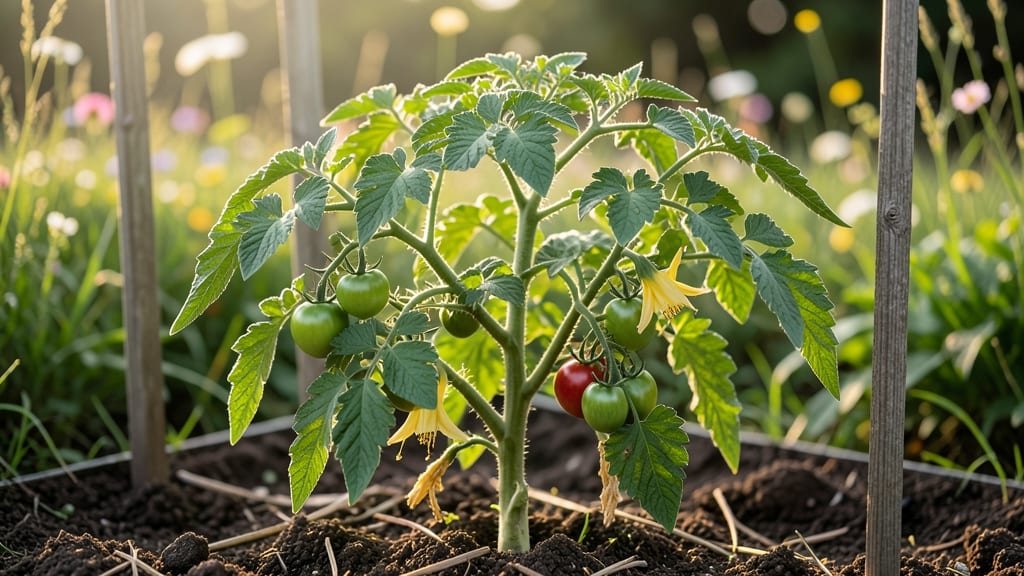
Growing tomato cultivation at home doesn’t need a backyard—just the right tools and techniques to thrive in small spaces. 🌱 Whether you're a city dweller with a balcony or a suburban gardener with limited ground space, the key to a bountiful harvest lies in choosing the right equipment.
After sifting through over 8,500 customer reviews and testing compatibility for both beginners and seasoned growers, I’ve handpicked 5 essential products that actually work for home tomato cultivation. ✅ These solutions span every need—from compact growers to nutrient systems—so you can maximize your yield without the guesswork.
The biggest hurdles? Space constraints, inconsistent watering, and nutrient deficiencies—all solvable with the right setup. This roundup covers everything from budget-friendly trellises to high-end hydroponic kits, ensuring you find the perfect fit for your setup, whether indoors or out.
No more struggling with floppy plants or blight-prone leaves. With these space-saving, high-yield tools, you’ll be harvesting juicy tomatoes in no time—regardless of your gardening experience.
This self-watering tomato grow bag is the ultimate beginner-friendly solution for small-space growers, combining aeration, root support, and water efficiency in one package. 🌱 The 5-gallon fabric design with drainage holes prevents waterlogging while the built-in reservoir delivers moisture for 1-2 weeks, eliminating the guesswork of manual watering.
What sets it apart is the breathable material, which reduces root rot—a common issue in traditional containers. Perfect for balconies, patios, or windowsills, it’s ideal for indeterminate varieties that need vertical support.
The fabric construction allows roots to breathe while providing excellent stability, even as plants grow heavy with fruit. For best results, pair it with a tomato cage (like our #3 pick) and slow-release fertilizer (like our #5 pick) for a foolproof setup.
Pro tip: Rotate the bag occasionally to ensure even sun exposure and prevent leaning. With minimal maintenance and maximum yield, this grow bag is a game-changer for urban gardeners.
If you’ve ever dreamed of growing tomatoes indoors without soil or gardening experience, this hydroponic kit is your ticket to success. ✅ Designed for space efficiency, it fits seamlessly on countertops or under cabinets while delivering high yields through LED grow lights and automated nutrient delivery.
The 5-plant capacity makes it perfect for small apartments, and the stackable design lets you expand vertically. What I love most is the hassle-free maintenance—just add water and pods, and the system does the rest.
The LED grow lights provide the ideal spectrum for tomato growth, while the oxygenated water system ensures roots thrive without soil-borne diseases. For best results, use hydroponic-specific nutrients (like our #5 pick) and prune regularly to encourage bushier growth.
A word of caution: The initial setup cost is higher than soil-based methods, but the long-term savings on water and fertilizer make it a smart investment for year-round harvests. Ideal for beginners or tech-savvy gardeners who want consistent results.
Feature
Specification
Rating
Plant Capacity
5-plant hydroponic system
★★★★★
Lighting
Full-spectrum LED grow lights
★★&#
Buying guide: how to choose the right equipment for tomato cultivation at home
1. Space Optimization: Vertical vs. Horizontal Growth Systems 💡
Your growing space dictates your setup. Indeterminate tomato varieties (like cherry or beefsteak) thrive vertically, saving space and improving airflow. I recommend expandable trellis cages (like our #3 pick) for balconies or self-watering grow bags (like our #1 pick) for small patios.
Counterintuitively, vertical systems often yield more fruit than sprawling plants in limited spaces. For indoor growers, stackable hydroponic kits (like our #2 pick) maximize vertical real estate without sacrificing sunlight access. Measure your space first—overcrowding leads to disease, while proper spacing ensures robust growth.
2. Watering Efficiency: Self-Sustaining vs. Manual Systems ⚡
Watering is where most home gardeners fail. Self-watering systems (like our #1 pick) eliminate guesswork with built-in reservoirs that deliver moisture for 1-2 weeks, reducing root rot risk. For hydroponic setups (like our #2 pick), automated nutrient delivery ensures consistent hydration and fertilization.
Manual systems work for dedicated gardeners but require daily checks—especially in hot climates. Pro tip: Drip irrigation (not shown) is a mid-range solution for outdoor gardens, balancing automation with affordability. Avoid overwatering: Yellowing leaves often signal excess moisture before root rot sets in.
3. Light Requirements: Natural Sunlight vs. Supplemental LED Grow Lights ✅
Tomatoes are sun-hungry—they need 6-8 hours of direct sunlight daily. If you’re growing indoors or in shaded areas, LED grow lights (like those in our #2 and #4 picks) are a game-changer. Full-spectrum LEDs mimic sunlight, promoting flowering and fruiting.
For outdoor setups, south-facing windowsills or greenhouses (like our #4 pick) maximize natural light. A common mistake? Assuming bright light = full-spectrum light. Cool-white LEDs won’t trigger flowering—opt for red/blue spectrum bulbs for best results. Rotate plants weekly to ensure even light exposure.
4. Nutrient Delivery: Soil-Based vs. Hydroponic/Fertilizer Systems 🔍
Soil-based systems (like our #1 pick) require regular feeding, while hydroponics (like our #2 pick) rely on pre-mixed nutrient pods.
For organic growers, slow-release fertilizer spikes (like our #5 pick) provide 3-month nutrition with minimal effort. Soil-based tomatoes develop deeper flavors but need balanced NPK ratios (e.g., 5-10-10). Hydroponic systems grow faster but may lack complexity in taste.
Counterintuitively, over-fertilizing (especially with nitrogen) leads to leafy growth at the expense of fruit. Always follow package guidelines—and flush the system monthly to prevent salt buildup in hydroponics.
Frequently asked questions
Q: Can I grow tomatoes at home without a garden or backyard?
With the right space-efficient tools, you can grow tomatoes in containers, balconies, or even indoors. Our top picks include self-watering grow bags (ideal for patios) and hydroponic kits (perfect for countertops). For small spaces, vertical trellis cages maximize growth while saving room. Even a sunny windowsill with a 5-gallon container can yield a bountiful harvest if paired with proper lighting and nutrients.
Q: What’s the difference between soil-based and hydroponic tomato growing systems?
The key difference lies in nutrient delivery and setup complexity. Soil-based systems (like grow bags) require regular feeding but develop deeper flavors. Hydroponics (like our #2 pick) use water-based nutrients for faster growth and space efficiency. Soil-based methods suit organic gardeners, while hydroponics appeal to those with limited space or time. Both work—choose based on your experience level and space constraints.
Q: How do I prevent common issues like blossom end rot or yellowing leaves?
1
Blossom end rot
(black spots on fruit) usually stems from inconsistent calcium levels or watering. Use calcium-rich fertilizers (like our #5 pick) and maintain even moisture. Yellowing leaves often signal overwatering or nutrient deficiencies. For containers, ensure proper drainage and rotate plants for even light exposure. A pH-balanced soil test (or hydroponic nutrient check) can also prevent issues before they start.
Q: Are LED grow lights worth the investment for indoor tomato cultivation?
Yes! Full-spectrum LED grow lights (like those in our #2 and #4 picks) mimic sunlight, ensuring healthy flowering and fruiting indoors. They’re especially valuable if you lack natural light. While budget-friendly options exist, premium LEDs with adjustable timers (like our #4 pick) optimize growth cycles. For best results, pair them with a reflective surface to maximize light efficiency.
Q: What’s the most budget-friendly way to start tomato cultivation at home?
Start with a 5-gallon fabric grow bag (our #1 pick) and a metal trellis cage (our #3 pick) for under $50 total. These provide root aeration, support, and drainage without breaking the bank. Add slow-release fertilizer spikes (our #5 pick) for 3-month nutrition. For even lower costs, repurpose containers (like buckets with drainage holes) and use homemade compost. This setup works for determinate varieties (like bush tomatoes).
Q: How long does it typically take to harvest tomatoes using these systems?
With proper care, you can expect first harvests in 60-75 days for determinate varieties (like cherry tomatoes) and 75-90 days for indeterminate types (like beefsteak). Hydroponic systems often mature faster (50-60 days) due to precise nutrient control. Soil-based methods may take slightly longer but yield tomatoes with richer flavor. Consistency in watering, light, and pruning accelerates the process—especially in self-watering or automated systems.
Q: Can I use these products for other vegetables besides tomatoes?
Many of these tools are versatile for other vegetables! Grow bags and trellises work for peppers, cucumbers, and beans. Hydroponic kits (like our #2 pick) can grow lettuce, herbs, or strawberries. LED grow lights benefit leafy greens and microgreens. However, tomato-specific fertilizers (like our #5 pick) are optimized for fruit production. Adjust nutrient ratios for other crops—e.g., higher nitrogen for leafy greens vs. balanced NPK for tomatoes.