
Planting
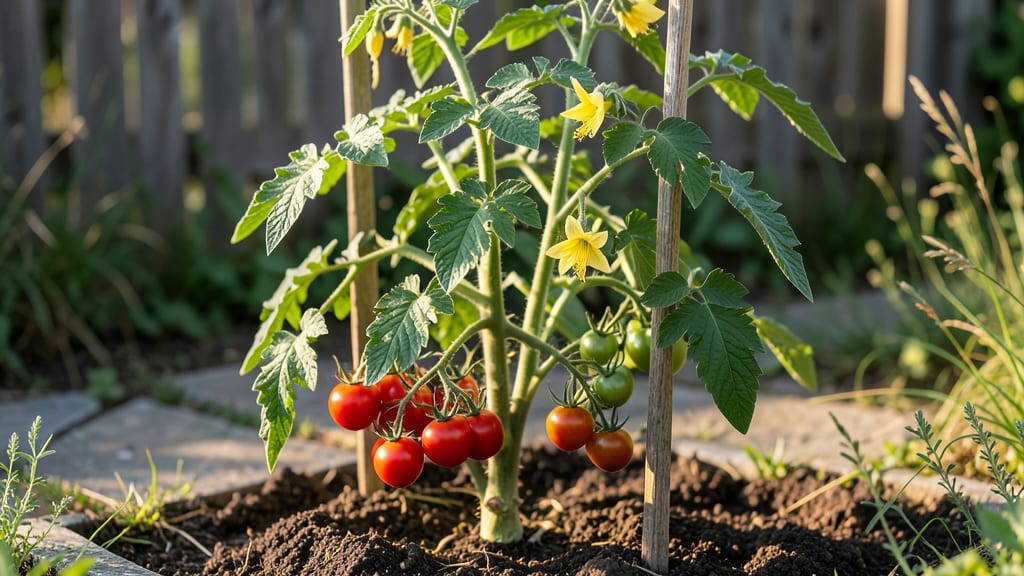
The Thessaloniki tomato plant thrives under the blazing sun, delivering juicy, flavor-packed harvests that put store-bought varieties to shame. 🌞 I’ve grown them here for years, and the secret lies in matching heat-loving varieties to the city’s intense summers—where temperatures can soar past 95°F and dry winds test even the hardiest plants.
The right approach starts with disease-resistant varieties like ‘Solar Fire’ or ‘Heatmaster,’ planted after the last frost (typically late April). Amend your soil with compost to retain moisture, and use mulch to shield roots from the relentless heat.
Water deeply in the morning to prevent fungal issues, and stake plants early—they’ll grow fast once the heat kicks in.
By mid-July, you’ll be picking bursting-red tomatoes that taste like summer in every bite. The key is consistency: keep soil moist but not soggy, and watch for pests like whiteflies that thrive in this climate. With these adjustments, your harvest will outperform neighbors struggling with wilting plants.
Works for both backyard plots and balcony containers—just adjust spacing and support. Here’s how to make it work in Thessaloniki’s unique growing conditions.
📚 In This Guide
- What you need
- Instructions
- Tips and common mistakes
- Wrapping up and next steps
What you need
- ● Thessaloniki tomato seeds or seedlings: 3–5 plants (or 10–15 seeds if starting from scratch). Look for heirloom or organic varieties for best results!
- ● Well-draining potting mix: 5–10 gallons (or 1–2 bags of high-quality organic soil). Mix in compost or aged manure for extra nutrients.
- ● Containers or garden bed: Containers: 5-gallon pots (1 per plant) with drainage holes.
- ● Garden bed: Full sun (6+ hours daily) and loose, fertile soil.
- ● Balanced fertilizer: 5-10-10 or organic options like fish emulsion or worm castings.
- ● Tomato cages or stakes: 5–6 feet tall (1 per plant) to support vines.
- ● Hand trowel or spade for planting.
- ● Watering can or hose with gentle nozzle (avoid wetting leaves).
- ● Mulch (straw or shredded leaves) to retain moisture and suppress weeds.
- ● Pruning shears for trimming suckers and dead leaves.
- ○ pH test kit (optional but helpful—ideal soil pH: 6.0–6.8).
- ○ Shade cloth (optional, for hot climates to protect young plants).
Step-by-step guide to growing Thessaloniki tomato plants
This sun-loving variety thrives with the right care—here’s how to cultivate robust plants for bountiful harvests.
🌱 Step 1: Select and Prepare the Planting Site
Thessaloniki tomatoes need full sun exposure (6-8 hours daily) and well-draining soil with a pH between 6.0 and 6.8. Choose a location with protection from strong winds, as their indeterminate vines can reach 6-8 feet tall. If planting in containers, ensure pots are at least 12 inches deep and wide enough to support the root system.
Work in 2-3 inches of compost or aged manure into the topsoil to enrich nutrients. Avoid fresh manure, which can burn tender roots. I like to add a handful of crushed eggshells for calcium—this prevents blossom end rot, a common issue with tomatoes. Test soil moisture before planting; it should feel damp but not soggy.
☀️ Step 2: Plant Transplants at the Right Time
Wait until after the last frost date in your area, when soil temperatures reach at least 60°F. Harden off seedlings for 7-10 days by gradually exposing them to outdoor conditions. Plant 24-36 inches apart in rows spaced 3-4 feet apart to allow airflow and prevent disease.
Dig a hole slightly deeper than the root ball and place the plant so the top of the roots sits 1 inch below soil level. This encourages stronger root growth. Fill the hole with soil and press gently around the base to eliminate air pockets. Water deeply right after planting to settle the soil and remove any stress on the roots.
💧 Step 3: Water and Fertilize for Optimal Growth
Thessaloniki tomatoes need consistent moisture—water 1-2 inches per week, aiming for the soil rather than the leaves to prevent fungal diseases. Use drip irrigation or soaker hoses to keep foliage dry. Mulch with 2-3 inches of straw or shredded leaves to retain moisture and suppress weeds.
Fertilize every 2-3 weeks with a balanced tomato fertilizer (10-10-10 or 5-10-10) once flowers appear. I switch to a low-nitrogen, high-phosphorus formula (5-10-10) when fruit sets to boost flowering and fruiting. Avoid over-fertilizing with nitrogen, which encourages leafy growth at the expense of fruit production.
✂️ Step 4: Prune and Support for Heavy Harvests
Install strong stakes or a trellis system early to support the vines as they grow. Prune suckers—those small shoots that form in the leaf axils—weekly to direct energy to fruit production. Remove any leaves touching the soil to prevent disease and improve airflow.
When clusters of tomatoes reach pencil-sized, pinch off the smaller fruits to allow the largest ones to develop fully. This ensures fewer but larger, sweeter tomatoes. Watch for signs of pests like aphids or hornworms; I’ve found that neem oil sprays work well without harming beneficial insects.
🍅 Step 5: Harvest and Extend the Season
Thessaloniki tomatoes ripen 60-70 days after transplanting, turning a deep red when fully ripe. Harvest in the morning for the best flavor, as sugars concentrate overnight. Gently twist the fruit from the vine—don’t pull—so you don’t damage the plant.
To extend the harvest, cover plants with frost cloth when nighttime temperatures drop below 50°F. Remove the cloth during the day to allow sunlight. If frost threatens, pick green tomatoes and ripen them indoors in a paper bag with a banana (the ethylene gas speeds up ripening). Store harvested tomatoes at room temperature for up to 2 weeks.
Tips & tricks for perfect Thessaloniki tomato plants
Real talk: Thessaloniki tomatoes are high-maintenance divas—but they reward you with sweet, meaty fruit if you know their quirks. Here’s what nobody tells you about growing these sun-loving giants.
Sunlight Strategy: Those 6-8 hours of daily sun are non-negotiable, but here's the thing: morning sun (6 AM–10 AM) is more valuable than afternoon heat, especially in hot climates. I’ve seen plants wilt under midday sun even when they got the full 8 hours. If your garden gets intense afternoon sun, provide afternoon shade during peak summer months to prevent sunscald on the fruit.
Soil Prep Secret: The 2-3 inches of compost isn’t just about nutrients—it’s about creating the right texture. I mix in perlite or coarse sand to improve drainage, especially if your soil feels heavy or clay-like. This prevents the dreaded blossom end rot that ruins so many tomato crops. Think of it as giving your plants a well-draining foundation, like building a house on a solid slab rather than unstable ground.
Watering Wisdom: That 1-2 inches per week guideline assumes ideal conditions, but real life varies. I check soil moisture by sticking my finger 2 inches deep—if it’s dry, water deeply until moisture reaches 6 inches down. The key is consistency: better to water thoroughly once a week than give light sprinkles daily. Drip irrigation or soaker hoses are worth the investment because they deliver water right to the roots without wetting the leaves, which is crucial for preventing fungal diseases.
Fertilizer Timing: Switching to that low-nitrogen, high-phosphorus formula when fruit sets is critical, but here’s what I learned the hard way: don’t make the switch too early. Wait until you see actual flower buds forming before switching to the 5-10-10 formula. Too much phosphorus before flowering can actually inhibit fruit development. Think of it like timing a pregnancy test—you want to confirm the right moment before making major changes.
Pro Tips for Thessaloniki Tomato Plant
- Real talk: Thessaloniki tomatoes are high-maintenance divas—but they reward you with sweet, meaty fruit if you know their quirks.
- Sunlight Strategy: Those 6-8 hours of daily sun are non-negotiable, but here's the thing: morning sun (6 AM–10 AM) is more valuable than afternoon heat, especially in hot climates.
- Soil Prep Secret: The 2-3 inches of compost isn’t just about nutrients—it’s about creating the right texture.
Frequently asked questions
What’s the best time to plant Thessaloniki tomatoes in my region?
For optimal growth, plant Thessaloniki tomatoes after the last frost when soil temperatures reach at least 60°F (15°C). In warmer climates (Zones 8-10), start seeds indoors 6-8 weeks before the last frost or direct-sow in early spring. In cooler areas (Zones 6-7), wait until late spring to avoid cold damage. Pro tip: Use a soil thermometer to check—consistent warmth speeds up germination!
How much sunlight do Thessaloniki tomatoes really need?
These tomatoes are sun-hungry—they thrive in full sun (6-8+ hours daily). If your garden gets partial shade (e.g., 4-6 hours), growth will slow, and yields may shrink. Fix it: Choose the sunniest spot in your yard, or use reflective mulch (like white gravel) to bounce light onto plants. Avoid planting near tall trees or structures that cast deep shade.
Can I grow Thessaloniki tomatoes in containers? If so, what size pot do I need?
Yes! These vigorous plants adapt well to containers, but size matters. Use a pot at least 18-24 inches deep and wide (5-6 gallons) to support their sprawling roots and heavy fruit. Add well-draining potting mix with compost, and prune suckers to encourage upward growth. Bonus: Place pots on castor wheels for easy sun rotation!
Why are my Thessaloniki tomato leaves turning yellow? Is it a disease or nutrient issue?
Yellow leaves are usually a red flag for one of three issues:
- Overwatering: Check soil moisture—Thessaloniki tomatoes hate soggy roots. Let the top 1-2 inches dry out between waterings.
- Nutrient deficiency: Yellowing lower leaves often signal nitrogen lack. Feed with a balanced fertilizer (10-10-10) or compost tea.
- Pests/disease: Curled or spotted leaves? Inspect for aphids, spider mites, or early blight. Remove affected leaves and treat with neem oil or copper fungicide.
Are Thessaloniki tomatoes good for sauces, or are they best for fresh eating?
These tomatoes are versatile superstars! Their meaty, low-acid flesh makes them ideal for sauces, salsas, and roasted dishes, but they’re also delicious fresh. Peak flavor tip: Harvest when fully red (not green!) and let them ripen off the vine for sweeter, deeper taste. Pro move: Blend unripe tomatoes with basil and garlic for a homemade passata—no seeds or skins!
Wrapping up and next steps
Growing Thessaloniki tomato plants is a rewarding journey—packed with sun-soaked potential and juicy, flavorful rewards! 🌱 Whether you're a seasoned gardener or just starting out, this variety’s resilience and productivity make it a standout choice.
With the right soil, sunlight, and care, you’ll soon be harvesting heirloom-quality tomatoes that’ll impress even the pickiest eaters.
Ready to take the next step? Start small—plant a few seeds or seedlings in your garden or containers, and watch your green thumb grow! 🌿 And don’t forget to share your progress—join gardening communities or tag us for tips and inspiration. Happy growing!