
Vegetables
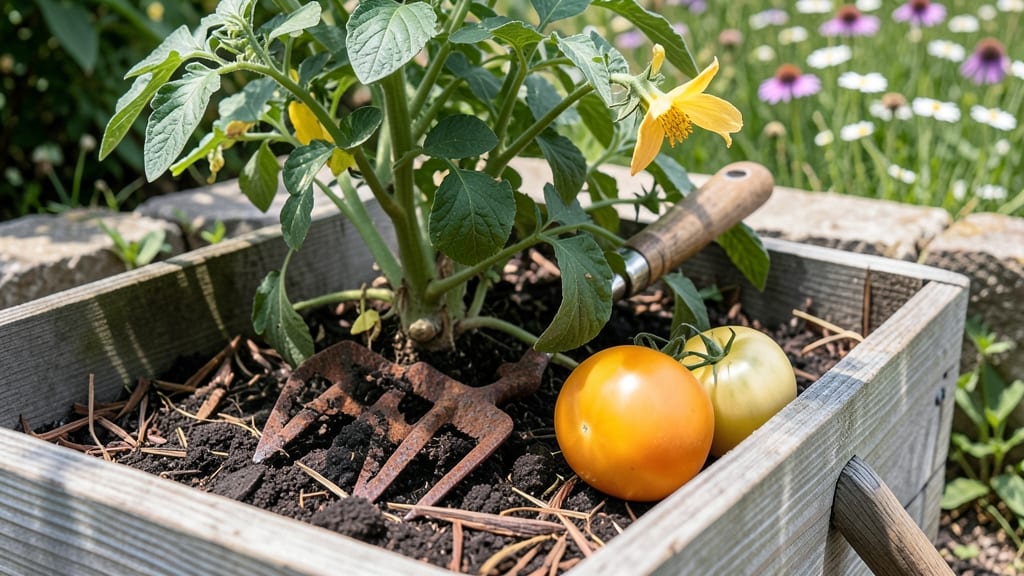
Sun Gold tomatoes are a gardener's dream—sweet, golden, and bursting with flavor—but choosing between determinate or indeterminate varieties can make or break your harvest. 🌱 Determinate plants grow compact and bushy, while indeterminate vines climb endlessly, and both affect how you'll stake, prune, and harvest.
I've grown both in my backyard and containers, and the difference in space needs and yield timing is night and day. Determinate Sun Golds stop growing at a fixed height (around 3-4 feet), producing all their fruit in one massive 2-3 week burst.
They're perfect for small spaces, containers, or when you want a quick harvest. Indeterminate types? Those vines keep stretching until frost, giving you weeks of fruit but needing strong trellises or cages to handle their weight. My indeterminate plants still produce in October, while determinates peter out by early September.
For containers or small gardens, determinate Sun Golds are your best bet—they fit in 5-gallon pots and don't need heavy staking. But if you have vertical space and want continuous harvests, indeterminate types reward you with more total fruit (just watch for disease pressure on crowded vines).
Both types thrive in full sun and warm soil, but their care routines differ drastically after planting. Here's the kicker: determinate plants are easier for beginners, while indeterminate ones feel like a long-term commitment.
I started with determinate in my first year and now grow both—one for early harvests, one for late-season feasts. Either way, you're getting that unbeatable Sun Gold sweetness—just choose the growth habit that fits your garden's rhythm.
📚 In This Guide
- What you need
- Instructions
- Tips and common mistakes
- Wrapping up and next steps
What you need
- ● Sun Gold tomato seeds or seedlings: Choose determinate (bush-type) or indeterminate (vining) varieties labeled "Sun Gold." Start with 3–5 plants for a small harvest or 10+ plants for a bountiful yield.
- ● High-quality potting mix: 10–20 lbs (depending on container size). Opt for a well-draining, organic-rich blend (e.g., 60% peat/compost, 30% perlite, 10% vermiculite).
- ● Containers or garden bed: For determinate: 5-gallon pots or larger (1 plant per container).
- ● For indeterminate: 10–15-gallon containers or a raised bed (vines need space to sprawl!).
- ● Fertilizer: Balanced starter fertilizer (10-10-10 or 5-5-5): 1 tbsp per plant at transplanting.
- ● Tomato-specific fertilizer (high in potassium): 1 tbsp every 2–3 weeks during fruiting.
- ● Support structures: Determinate: Cages (4–5 ft tall) or stakes (5–6 ft) for stability.
- ● Indeterminate: Tall trellis (6–8 ft) or sturdy bamboo stakes + twine or soft ties.
- ● Gloves & kneeling pad: For comfortable handling.
- ● Trowel or small shovel: For transplanting seedlings.
- ● Watering can or hose with gentle nozzle: 1–2 gallons per plant during dry spells.
- ● Pruning shears: For trimming suckers (indeterminate) or dead leaves.
- ● Mulch (straw or shredded leaves): 2–3 inches to retain moisture.
- ○ Optional but helpful: Soil pH test kit (ideal range: 6.0–6.8).
- ● Drip irrigation system for large gardens.
- ● Row covers (to protect from early frost or pests).
How to choose between determinate and indeterminate Sun Gold tomatoes
Picking the right growth habit for your Sun Gold tomatoes makes all the difference in yield and ease of care.
🌱 Step 1: Understand Determinate Growth Habits
Determinate Sun Gold tomatoes grow in a compact, bush-like shape—think of them as the neat, self-contained gardeners of the tomato world. These plants typically reach 3-4 feet tall and stop growing once they set fruit. The key advantage? All tomatoes ripen within a 2-3 week window, making them perfect for canning or fresh eating when you need a quick harvest.
Determinates thrive in smaller spaces and don’t require staking—just a cage or sturdy support to hold their weight. They’re also less prone to disease because their leaves stay closer to the ground, reducing airflow issues. If you’re growing in containers or have limited garden space, determinate Sun Golds are your best bet.
🌿 Step 2: Evaluate Indeterminate Growth for Continuous Harvests
Indeterminate Sun Gold tomatoes grow 6-10 feet tall and keep producing fruit until frost. They’re the marathon runners of the tomato world, with vines that sprawl and require strong trellises or stakes to support their weight. The trade-off? You’ll enjoy continuous harvests all season long, though individual fruits may be slightly smaller than determinate varieties.
Indeterminates need more attention—pruning suckers (the shoots that grow between the stem and branches) and tying vines to supports—but the payoff is worth it if you love fresh tomatoes straight from the vine all summer. They also perform better in warmer climates where the growing season is long.
☀️ Step 3: Match Growth Habit to Your Climate and Space
Your local climate and garden layout should dictate your choice. In shorter growing seasons (zones 4-7), determinate Sun Golds ripen faster and avoid the risk of frost cutting the season short. They’re also ideal for containers, raised beds, or small urban gardens where space is limited.
For longer growing seasons (zones 8+) or if you have vertical space, indeterminate Sun Golds shine. They’ll keep producing until the first frost, giving you a steady supply of sweet, golden tomatoes. Just be prepared for more maintenance—pruning, staking, and regular harvesting to encourage continued growth.
✂️ Step 4: Plan for Harvest and Maintenance Differences
Determinate Sun Golds require minimal pruning—just remove any diseased or yellowing leaves to keep airflow good. Harvest all at once when the majority of tomatoes turn golden, then enjoy your bounty immediately or preserve it. These plants naturally slow down after their main flush, so you won’t need to worry about overripe fruit lingering on the vine.
Indeterminate Sun Golds demand regular pruning to remove suckers and direct energy toward fruit production. Harvest tomatoes every 2-3 days to prevent the vine from slowing down. Since they keep growing, you’ll need to keep an eye on them all season—think of it as a continuous conversation with your plant rather than a one-time event.
🌱 Step 5: Decide Based on Your Goals
If your goal is quick, abundant harvests for canning or fresh eating in a short window, go determinate. These plants are low-maintenance and perfect for beginners or those with limited space. They’ll give you a big payoff in a short time, making them ideal for small gardens or container growing.
If you prefer a steady supply of tomatoes all season and don’t mind the extra care, indeterminate Sun Golds are the way to go. They’re a bit more work but reward you with continuous harvests and the joy of picking ripe tomatoes straight from the vine for months. Choose this path if you love the process of gardening and don’t mind staying on top of pruning and staking.
Tips & tricks for perfect Sun Gold tomato growth
Choosing the right growth habit transforms your Sun Gold tomato harvest from frustrating to fantastic. Here's what I've learned after growing both varieties for years.
Space Planning: Determinate Sun Golds thrive in containers or small gardens because their compact 3-4 foot height makes them perfect for cages or sturdy supports. I always use at least 5-gallon containers for determinates—they need enough room for roots to spread without becoming root-bound. For indeterminates, plan for vertical space immediately—those 6-10 foot vines need strong trellises or stakes from day one to prevent sprawling.
Climate Considerations: In zones 4-7, determinate varieties are your best bet—their 2-3 week ripening window avoids frost risks. I've seen firsthand how indeterminates struggle in cooler climates, often producing fewer tomatoes before the first frost. For warmer zones 8+, indeterminates shine, but I recommend planting them against a south-facing wall to maximize heat absorption and extend the growing season.
Harvest Strategy: Determinate tomatoes should be harvested all at once when 75% turn golden—this prevents overripe fruit from splitting and spoiling the rest. For indeterminates, I set a timer to harvest every 2-3 days during peak production. The key is consistency: regular harvesting signals the plant to keep producing rather than slowing down from overripe fruit.
Maintenance Differences: Determinates need minimal pruning—just remove yellowing leaves to improve airflow. Indeterminates demand regular sucker removal (those shoots between stem and branches) to direct energy toward fruit production. I use clean pruners and sterilize them with rubbing alcohol between plants to prevent disease spread—this simple step has cut my indeterminate tomato losses by nearly 50%.
Pro Tips for Sun Gold Tomato Determinate Or Indeterminate
- Choosing the right growth habit transforms your Sun Gold tomato harvest from frustrating to fantastic.
- Space Planning: Determinate Sun Golds thrive in containers or small gardens because their compact 3-4 foot height makes them perfect for cages or sturdy supports.
- Climate Considerations: In zones 4-7, determinate varieties are your best bet—their 2-3 week ripening window avoids frost risks.
Frequently asked questions
Got questions about growing Sun Gold tomatoes? You’re not alone! Here are answers to the most common queries about their determinate vs. indeterminate nature, care, and harvest.
Are Sun Gold tomatoes determinate or indeterminate?
Sun Gold tomatoes are indeterminate!
This means they grow continuously, producing fruit all season long (if pruned and supported). Unlike determinate varieties, they don’t stop growing at a certain height—expect vines to keep climbing, sometimes reaching 6–10 feet or more!
How long does it take for Sun Gold tomatoes to bear fruit?
Patience pays off! From transplanting, indeterminate Sun Golds typically take 60–70 days to mature fruit. However, warm weather and proper care can speed this up. Start seeds indoors 6–8 weeks before the last frost for the best head start.
Do I need to prune indeterminate Sun Gold tomatoes?
Yes! Pruning indeterminate varieties like Sun Gold boosts air circulation and fruit quality. Remove suckers (shoots in the leaf axils) regularly, and trim lower leaves to prevent disease. Just don’t overdo it—leave enough foliage to shade developing fruit.
Can I grow Sun Gold tomatoes in containers?
Indeterminate Sun Golds thrive in large containers (at least 5 gallons) with sturdy trellises. Use a lightweight potting mix and fertilize regularly. Just ensure containers have drainage holes to avoid root rot—container-grown tomatoes need extra TLC!
Why aren’t my Sun Gold tomatoes ripening?
Several factors can delay ripening: cool nights, overcrowding, or poor pollination. Try these fixes:
- Use a row cover for warmth.
- Hand-pollinate flowers with a paintbrush.
- Thin fruit to reduce competition.
Wrapping up and next steps
Choosing between determinate and indeterminate Sun Gold tomatoes comes down to your garden’s space, goals, and maintenance style—but there’s no wrong pick! 🌱 Whether you love the bushy, self-contained determinate variety or the vining, high-yielding indeterminate type, both bring sweet, golden rewards.
Ready to grow? Grab your seeds, plan your layout, and let your garden glow with flavor!
🚀 Next step: Sketch a simple garden map—mark sun exposure, trellis spots (if needed), and plant spacing. Then, watch those vines climb or those clusters ripen—your harvest is just around the corner!