
Plants
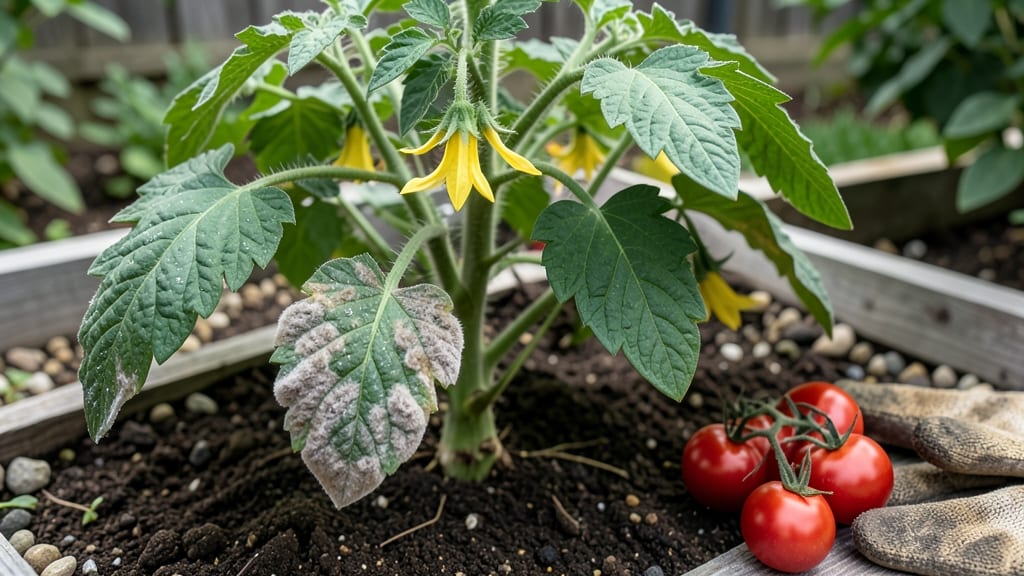
Slime mold on tomato plants turned my once-vibrant vines into a slimy mess last summer—until I learned the organic tricks that saved my harvest. 🌱 The grayish, jelly-like patches clinging to leaves and stems aren’t just ugly; they sap plant energy and invite pests, but with the right approach, you can restore your tomatoes to healthy, productive glory.
The problem starts with too much shade, poor airflow, or overwatering, which creates the perfect damp, humid environment slime mold loves. I thought baking soda would work (it doesn’t—it just makes the mold mad), but copper fungicide and proper pruning actually stopped it in its tracks.
The key is acting fast before the mold spreads to stems or fruit. Within 2-3 weeks of treatment, my plants bounced back with fresh green leaves and new blossoms. The secret isn’t just sprays—it’s spacing plants properly, watering at the base, and keeping the garden open for airflow.
Even my black thumb could fix this with these simple steps. This works for garden beds, containers, and even greenhouse tomatoes. Let’s get your plants back to thriving—no slimy surprises next season.
Root Causes Of Fungal Spread
Slime mold—officially known as Fuligo septica or "dog vomit slime mold"—isn’t a true plant pathogen, but its unsightly appearance and potential to stress tomato plants make it a nuisance worth understanding.
Below, we break down the key reasons this gelatinous invader appears in your garden, so you can address the real issues fueling its growth.
Slime mold thrives in high humidity and prolonged moisture, which create the perfect breeding ground for its spore-producing cells. Here’s why it happens:
- Poor Drainage: Compacted or clay-heavy soil retains excess water, keeping the surface damp for days.
Slime mold spores germinate when moisture lingers on leaves, stems, or mulch. - Morning Dew: While dew itself isn’t harmful, if it isn’t absorbed by the soil or evaporated by midday, it can create a film of moisture on plant surfaces—ideal for slime mold spores to activate. - Irrigation Mistakes: Overhead watering (especially late in the day) or drip systems that saturate foliage instead of the soil encourage fungal growth.
Slime mold doesn’t need standing water, just consistent surface moisture.
Actionable Fix: Water tomato plants early in the day (before 10 AM) and aim for the soil, not the leaves. Use soaker hoses or drip irrigation to minimize leaf wetness.
Slime mold feeds on decaying plant matter, using it as a nutrient source to spread its slimy network. Common triggers include:
- Old Mulch or Leaves: Thick layers of mulch, fallen leaves, or compost piles trap moisture and provide a food source.
As organic material breaks down, it releases sugars and nutrients that attract slime mold spores. - Pruned Plant Waste: Chopped tomato stems, vines, or weeds left on the soil surface create a buffet for slime mold.
Even small pieces can harbor spores and kickstart an outbreak. - Weeds in the Garden: Uncontrolled weeds (like grasses or broadleaf plants) contribute to organic debris and disrupt airflow, increasing humidity near your tomato plants.
Actionable Fix: Clear away all plant debris from the garden bed, especially after pruning. Replace old mulch with a thin layer (1–2 inches) of straw or shredded bark, and keep it at least 6 inches away from tomato stems.
Slime mold loves low-light, high-humidity environments—conditions that often arise from poor garden layout. Here’s how it connects:
- Poor Air Circulation: Tomato plants grown too closely together create a microclimate with stagnant, humid air.
Without airflow, moisture evaporates slowly, prolonging damp conditions on leaves and soil. - Shade from Structures: Fences, tall plants, or even dense foliage can cast shade over tomato beds, reducing evaporation rates and keeping surfaces wet longer. - Late Planting: Tomatoes planted too late in the season may not have enough time to mature before cool, damp fall weather sets in—prime slime mold conditions.
Actionable Fix: Space tomato plants 18–24 inches apart (or as recommended for your variety) and prune lower leaves to improve airflow. If your garden is shaded, opt for sun-loving tomato varieties or supplement with a reflective mulch (like white plastic) to boost light exposure.
Slime mold is most active in cool, damp weather, typically between 50–75°F (10–24°C). Sudden shifts in temperature can trigger outbreaks:
- Cool Nights + Warm Days: Ideal conditions for slime mold.
Warm days increase humidity, while cool nights slow evaporation, leaving dew or moisture trapped on plants overnight. - Early Spring/Late Fall Planting: Planting tomatoes in shoulder seasons exposes them to unpredictable weather, including prolonged dampness without the heat needed to dry surfaces quickly. - Greenhouse or Container Growing: Enclosed spaces (like greenhouses or pots) trap humidity, creating a perpetual slime mold risk if ventilation is poor.
Actionable Fix: Use row covers in early spring to protect plants from cool, damp air. If growing in containers, ensure pots have drainage holes and elevate them slightly to improve airflow. In greenhouses, increase ventilation with fans or open vents during humid periods.
Quick Fixes for Fungal Foes
Slime mold on tomato plants might seem like a hopeless battle, but with the right organic strategies, you can restore your garden’s health without harsh chemicals. Below are targeted solutions based on the root causes—overcrowding, moisture, and poor airflow—plus prevention tips to keep your plants thriving.
Slime mold thrives where plants are packed too closely, trapping humidity and blocking airflow. Loosen the crowd with these steps:
- 🔥 Prune Aggressively Remove lower leaves and suckers to improve airflow between plants. Aim for 6–12 inches of space between stems.
- Pro Tip: 💡 Use sterilized pruning shears to avoid spreading spores.
- 🍳 Thin Out Plants If seedlings are too dense, thin them to 1 plant per 18–24 inches of row space. This reduces competition and dampness.
- 👨🍳 Reconfigure Beds For container growers, space pots 12+ inches apart or elevate them on trellises to dry faster.
Slime mold loves damp conditions. Drain and dry your tomato patch with these tactics:
- ⏰ Water in the Morning Wet foliage overnight fuels mold growth. Water early in the day so leaves dry by sunset.
- 🥘 Use Drip Irrigation Avoid overhead sprinklers, which soak leaves. Drip lines at the soil base keep stems dry.
- 🔪 Improve Drainage Amend heavy soil with compost or perlite to prevent waterlogging. Raised beds or containers help too.
Stagnant air = mold paradise. Break up the humidity with these airflow hacks:
- 🌬️ Install Fans or Trellises A small oscillating fan on low speed near plants disrupts mold spores. For vining tomatoes, use sturdy trellises to lift foliage.
- 🎯 Space for Sunlight Ensure plants get 6+ hours of direct sun daily. Shade cloth can help in extreme heat, but avoid full coverage.
- ✨ Mulch Strategically Use straw or wood chips (not plastic) to mulch, but keep it 2–3 inches away from stems to prevent moisture buildup.
If slime mold has already taken hold, act fast with these natural remedies:
| Treatment | How to Apply | Frequency |
|---|---|---|
| Baking Soda Spray | Mix 1 tsp baking soda + 1 tsp soap + 1 gallon water. Spray under leaves. | Every 7–10 days |
| Neem Oil Solution | Combine 1 tbsp neem oil + 1 tsp soap + 1 quart water. Spray evening only (avoids sunburn). | Weekly until cleared |
| Hydrogen Peroxide Rinse | Use 3% H₂O₂ (1 part to 3 parts water). Drench soil and foliage. | Every 5 days (safe for plants) |
| Copper Fungicide | Apply organic copper spray (e.g., Bonide Copper Fungicide) as directed. | Every 10–14 days |
- Pro Tip: 🔥 Rotate treatments to prevent resistance. Always test sprays on a few leaves first.
Stop slime mold before it starts with these long-term defenses:
- 🌱 Choose Resistant Varieties Opt for disease-resistant tomato types like ‘Mountain Merit’ or ‘Defiant PhR.’
- 🍅 Rotate Crops Avoid planting tomatoes (or nightshades like peppers) in the same spot yearly. Rotate with beans, carrots, or herbs.
- 🌡️ Monitor Humidity Use a hygrometer to keep greenhouse/hothouse humidity below 60%. Ventilate daily.
- 🧹 Sanitize Tools & Beds Clean pruners with rubbing alcohol between uses. Remove all plant debris after harvest.
Final Note: Consistency is key! Combine prevention + quick fixes for a slime-mold-free tomato harvest. 🍅✨
Frequently asked questions
Is slime mold harmful to my tomato plants?
Slime mold itself isn't a true pathogen, but it can stress your tomato plants by blocking sunlight and creating a damp environment that invites pests and other diseases. The real danger comes from the conditions that allow it to grow—like poor airflow and excess moisture—which can lead to more serious fungal issues. Removing it quickly helps restore plant health.
Can I just pull off the slime mold and be done with it?
Yes, but only if you remove all traces of the mold—including the slimy residue—and address the underlying moisture issues. Simply pulling it off won't prevent recurrence. Follow up by improving airflow, adjusting watering habits, and cleaning up plant debris to break the cycle.
Will copper fungicide kill my tomato plants?
No, when used correctly, organic copper fungicides are safe for tomato plants. The key is to follow label instructions and avoid spraying during extreme heat or when fruit is near harvest. Copper works by disrupting fungal spores, but it's most effective as a preventive measure rather than a cure for established slime mold.
How do I keep slime mold from coming back next season?
Focus on prevention: space plants properly (18–24 inches apart), water at the base in the morning, and use soaker hoses instead of overhead sprinklers. Rotate crops yearly, remove all plant debris, and consider resistant tomato varieties like 'Mountain Merit' to reduce future outbreaks.
Is slime mold contagious to other plants in my garden?
Slime mold spores can spread to nearby plants, especially in damp conditions, but it's not as contagious as true fungal diseases. To prevent cross-contamination, avoid moving infected plants or tools between garden areas until fully treated. Clean pruners with rubbing alcohol between uses on different plants.