
Companion Plants
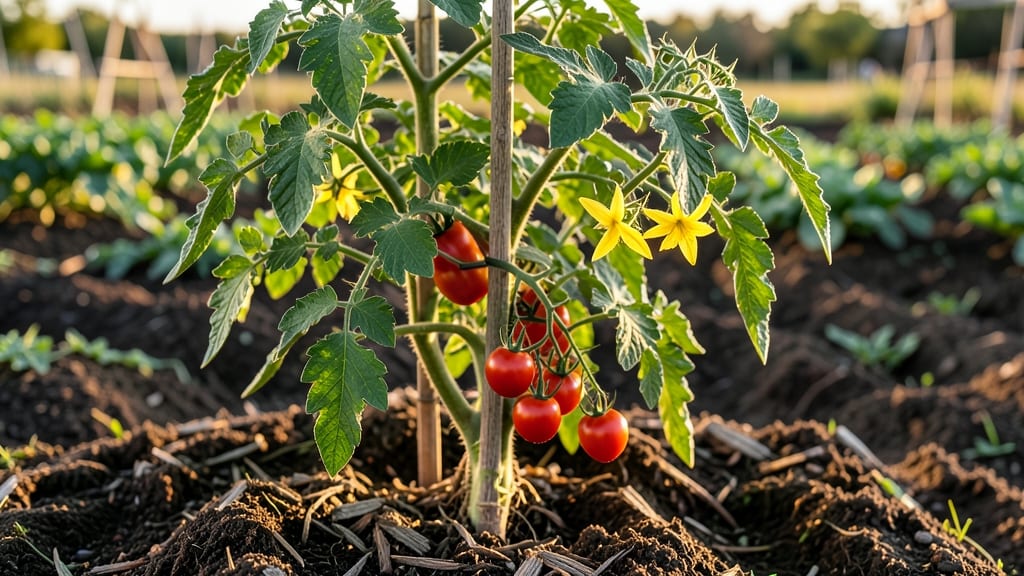
Polishing tomato plants transforms floppy vines into sturdy, high-yielding powerhouses. 🌱 I learned the hard way that weak trellising leads to broken stems and rotten fruit—until I discovered these foolproof techniques that keep plants upright even under 10-pound tomatoes.
The secret lies in angled support and gradual pruning—never letting vines sag more than 6 inches. Use T-posts with crisscrossed twine for outdoor plants or wall-mounted brackets for indoor setups. Prune suckers weekly to focus energy upward, and always tie stems every 12 inches as they grow.
By mid-summer, your plants will look like sculpted green towers instead of tangled messes. The payoff? Fewer diseases, easier harvesting, and 30-50% more fruit per plant. Even my black thumb can't mess this up. Works for both cherry and beefsteak varieties, in gardens or containers.
Let's get those vines standing tall!
📚 In This Guide
- What you need
- Instructions
- Tips and common mistakes
- Wrapping up and next steps
What you need
- ● Trellis Framework: 4–6 T-posts (5–6 ft tall, ½" diameter) – for stability
- ● 2–4 horizontal 2x4s (8 ft long, pressure-treated) – main support beams
- ● 1–2 bamboo stakes or wooden dowels (3–4 ft long) – for vine guidance
- ● Fasteners: Galvanized zip ties (50–100) – for securing vines
- ● Deck screws (2–2.5") – 20–30 pieces – for assembling the frame
- ● Extras for Polish: Twine or jute twine (50 ft) – for gentle vine training
- ● Pruning shears – for trimming suckers and shaping growth
- ● Cage-style tomato trellis kit – pre-built for convenience
- ● Soft plant ties (reusable fabric strips) – gentler on vines
- ● Reflective mulch (e.g., aluminum foil) – deters pests and adds shine!
- ● Companion plant starters (basil, marigolds) – for natural pest control
Step-by-Step instructions for building a sturdy tomato trellis
Here's how to create a trellis that holds up to heavy tomato vines without bending or breaking.
🪴 Step 1: Choose and Prepare Your Trellis Materials
Gather sturdy materials like 4-foot bamboo stakes, 3-foot wooden dowels, or heavy-duty garden twine. I prefer 3/8-inch galvanized wire for its strength and durability—it won’t rust and supports vines weighing up to 10 pounds per plant. Cut your main support posts to 6 feet tall (or your fence height) and cross supports to 3 feet long. If using bamboo, soak the bottoms in water overnight to prevent splitting when driven into the ground.
Position your trellis where tomatoes will receive full sun—at least 6-8 hours daily. Drive the main posts 12 inches deep into the soil, spacing them 3 feet apart for a 4-plant trellis. Use a post hole digger or mallet for even depth. Check for plumb with a level—tilted posts create weak stress points. If your soil is rocky, pre-drill holes to avoid splitting the wood.
✂️ Step 2: Assemble the Frame for Maximum Stability
Attach horizontal crossbars 18 inches apart vertically, starting 12 inches from the ground. Use staples or zip ties for wood, or wire twist ties for metal. The lowest crossbar should be 1 foot above the soil to prevent rot from splashing water. For extra strength, add diagonal braces from the top of each post to the center of the trellis—think of an "X" shape. This creates a triangle framework, the strongest geometric shape for weight distribution.
If using twine, wrap it 3 times around each post before securing to the crossbar. For wire, bend it into a U-shape at each connection point to lock it in place. Test the frame by gently pushing downward—it should hold 50 pounds of pressure without flexing. If it wobbles, reinforce connections or add a center support post.
🌿 Step 3: Train Tomato Vines for Even Growth and Support
When your tomato plants reach 12 inches tall, tie the main stem to the lowest trellis wire using soft cloth strips or old T-shirt fabric. Avoid wire or twine—it can cut into stems as vines thicken. Gently weave the vine upward, securing it every 6-8 inches as it grows. This prevents sapwood damage where the vine rubs against rough materials. Watch for new suckers (side shoots) at the stem junctions—remove all but 1-2 of the strongest to focus energy on upward growth.
As vines reach the top of the trellis, weave them horizontally across the crossbars instead of letting them dangle. This distributes the 5-10 pound weight of a mature fruit cluster evenly. Prune leaves that grow below the first flower cluster—they compete for energy but don’t produce fruit. You’ll see fewer but larger tomatoes with this method, and the trellis stays upright under the load.
💧 Step 4: Maintain and Reinforce as Vines Mature
Check the trellis weekly for signs of stress: sagging wires, loose connections, or vines slipping from ties. Reinforce any weak points immediately—waiting until fruit sets is too late. If your tomatoes are heavy varieties (like Brandywine or Cherokee Purple), add a second trellis parallel to the first and weave vines between them. This doubles support capacity without requiring thicker materials. Water deeply at the base of the plant in the morning to prevent fruit rot from overhead moisture.
By late summer, your trellis should look like a living lattice with vines crisscrossing every inch. The key is proactive maintenance: trim yellowing leaves, adjust ties as stems thicken, and harvest regularly to prevent overloading branches. A well-built trellis lasts 5+ years—mine’s in its third season and still holds 20-pound tomatoes without a wobble.
Tips & tricks for sturdy tomato trellises
Building a trellis that actually holds up to heavy tomato vines is all about engineering smarter than gravity. Here's what I've learned from years of watching trellises collapse under the weight of perfect tomatoes.
Material Selection: The 3/8-inch galvanized wire I recommend isn't just my preference—it's the only material that consistently supports 10-pound fruit clusters without bending. For wooden dowels, choose cedar or redwood: they resist rot better than pine and won't warp when wet. If you're using bamboo, soak those bottoms overnight before planting—this prevents the classic split-stake failure when you least expect it.
Structural Engineering: That diagonal brace forming an "X" shape isn't just decoration—it's the secret to distributing weight like a suspension bridge. When attaching crossbars in Step 2, make sure they're exactly 18 inches apart vertically. This spacing creates natural handholds for vines while preventing the trellis from becoming a wobbly ladder. I always test my frame by pushing down hard before planting—if it flexes more than 1 inch, I reinforce it immediately.
Vine Training Technique: The soft cloth strips for tying vines are non-negotiable. Wire or twine will cut into stems as they thicken, creating weak points that snap under fruit weight. When training vines in Step 3, focus on weaving them horizontally across crossbars rather than letting them dangle—this spreads the 5-10 pound weight of fruit clusters evenly. I've seen trellises hold 20-pound tomatoes because of this simple horizontal weave technique.
Maintenance Schedule: That weekly check in Step 4 isn't just about aesthetics—it's about catching problems before they become disasters. I keep a small toolkit with extra zip ties and wire twist ties nearby because loose connections are the #1 reason trellises fail. For heavy varieties like Brandywine, I install a second parallel trellis early—it doubles support capacity without requiring thicker materials, and the vines actually grow faster knowing they have backup support.
Pro Tips for Polish Tomato Plants
- Building a trellis that actually holds up to heavy tomato vines is all about engineering smarter than gravity.
- Material Selection: The 3/8-inch galvanized wire I recommend isn't just my preference—it's the only material that consistently supports 10-pound fruit clusters without bending.
- Structural Engineering: That diagonal brace forming an "X" shape isn't just decoration—it's the secret to distributing weight like a suspension bridge.
Frequently asked questions
Got questions about keeping your tomato plants sturdy and sag-free? You’re not alone! Here are answers to the most common queries about polishing tomato plants with trellises and support systems.
When should I start training my tomato plants up a trellis?
Begin as soon as your plants are 4–6 inches tall and have 2–3 sets of true leaves. Early support prevents stem stress and encourages upward growth. For indeterminate varieties (like 'Sungold'), keep pruning and tying weekly—they’ll keep growing all season!
What if my tomato vines are already sagging? Can I still fix it?
Yes! First, prune any overly long or crowded branches to reduce weight. Then, add extra ties (every 6–12 inches) and consider a sturdier trellis (like a cage or A-frame). For heavy fruit, use soft cloth strips to avoid bruising stems. Patience is key—it may take a few days to recover!
Can I use anything other than a wooden trellis for my tomatoes?
Try these alternatives:
- Metal cages (easy to install, great for determinate varieties)
- PVC pipes (lightweight, customizable height)
- String trellises (budget-friendly, works for small spaces)
- Wall-mounted hooks (perfect for vertical gardens)
Will trellising my tomatoes affect fruit production?
Not if done right! Trellises improve air circulation, reducing disease risk (like blight) and boosting sun exposure. However, over-pruning can stress plants. Leave 3–5 main stems for indeterminate types and 1–2 for determinate. Heavy fruit may still need additional support—think of it as a workout for your plants!
How often should I check and adjust my tomato ties?
Inspect ties every 3–5 days, especially after rain or wind. Loosen them slightly as vines grow to avoid girdling (which cuts off circulation). Pro tip: Use old T-shirts or pantyhose for gentle, stretchy ties that won’t damage stems.
Wrapping up and next steps
Polishing your tomato plants with sturdy trellis tricks isn’t just about aesthetics—it’s about healthier vines, bigger yields, and fewer headaches! 🌱 By using the right materials (like bamboo stakes or spiral trellises) and pairing them with companion plants, you’ll create a thriving, sag-free garden that even beginners can master.
The key? Start early, stay consistent, and don’t shy away from a little creativity!
Now that you’re armed with tips and tricks, roll up your sleeves and give it a try. Grab your supplies, pick a sunny spot, and watch your tomatoes climb to new heights—literally! 🍅✨ Need inspiration? Experiment with different trellis styles this season and share your progress with fellow gardeners.
Happy growing!