
Planting
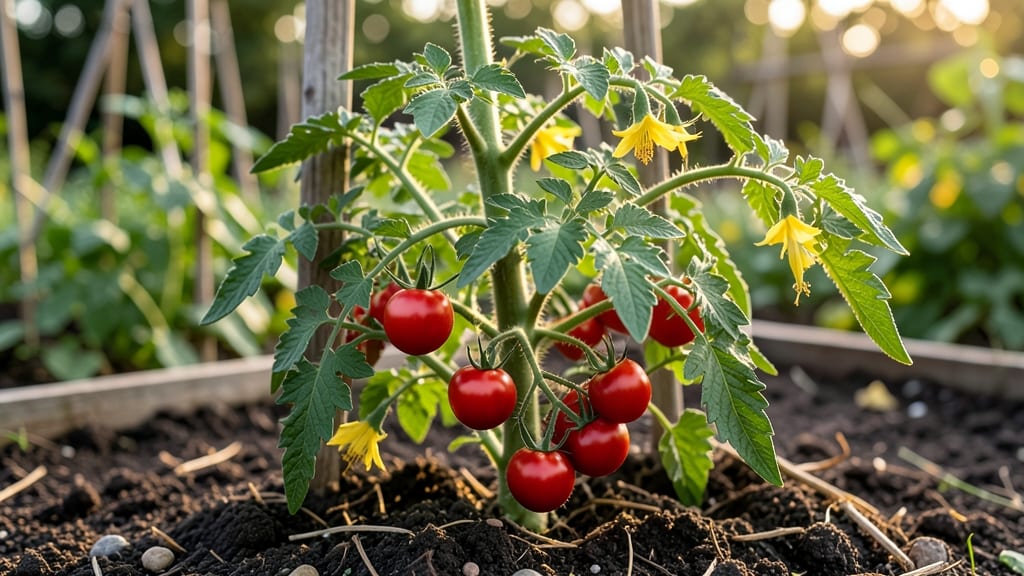
Growing the Momotaro tomato plant in a 5-gallon pot changed everything about how I garden in small spaces. 🌱 This compact, high-yielding variety produces sweet, flavorful tomatoes without taking over my balcony—something my previous sprawling plants never did.
The secret lies in its dwarf genetics, which pack all the productivity of a full-size plant into a fraction of the space. You’ll need well-draining potting mix, a sturdy container with drainage holes, and at least 6-8 hours of sunlight daily.
Unlike larger varieties, Momotaro doesn’t need staking—its bushy growth habit keeps it contained, and the determinate nature means you’ll get a steady harvest all season. The flavor? Rich, meaty, and just slightly tangy, perfect for slicing or sauces.
By mid-July, you’ll be picking pound after pound of ripe tomatoes without the sprawl. The plants stay compact even when laden with fruit, making them ideal for containers, windowsills, or even hanging baskets. Just avoid overwatering—their small root systems dry out fast, and that’s when blossom end rot sneaks in.
This variety thrives in zones 4-10, making it adaptable for nearly any climate. For cooler areas, start seeds indoors 6-8 weeks before last frost, while warmer zones can direct-sow after soil warms to 60°F. The real magic?
You’ll get restaurant-quality tomatoes from a plant that fits on a patio table.
📚 In This Guide
- What you need
- Instructions
- Tips and common mistakes
- Wrapping up and next steps
What you need
- ● Momotaro tomato seeds or seedlings: 1–3 plants (check seed packets for spacing needs—this variety thrives in 18–24" pots or 12" apart in garden beds).
- ● Containers or garden bed: Containers: 5-gallon pots or fabric grow bags (minimum 12" deep) with drainage holes. Quantity: 1 per plant.
- ● Garden bed: Well-draining soil in a sunny spot (6+ hours of light daily).
- ● High-quality potting mix: 1–2 bags (look for organic or tomato-specific mix with perlite or vermiculite for aeration).
- ○ Balcony or trellis: Optional but recommended! A 3–4 ft tall cage or stake to support vines (even dwarf varieties appreciate a little help).
- ● Fertilizer: Starting: Balanced liquid fertilizer (10-10-10) or compost tea.
- ● Growth: Tomato-specific fertilizer (high in phosphorus/potassium, like 5-10-10 or 2-3-1).
- ● Watering can or hose with gentle nozzle: 1 (avoid overhead watering to prevent disease).
- ● Pruning shears or scissors: 1 pair (sterilized with rubbing alcohol).
- ● Warmth: Momotaro tomatoes love heat! Start seeds indoors 6–8 weeks before last frost (or buy seedlings from a nursery). Ideal soil temp: 70–90°F.
- ● Sunlight: Full sun (6+ hours daily). Partial shade (<4 hours) will reduce fruit production.
- ○ pH Level: Slightly acidic soil: 6.0–6.8. Test kits are optional but helpful!
- ● Patience: Germination takes 5–10 days in warm soil. Harvest time: 60–70 days after transplanting.
- ● Mulch: Straw or shredded leaves to retain moisture and suppress weeds.
- ● Drip irrigation kit: For consistent watering (prevents blossom-end rot).
- ● Grow lights: If starting seeds indoors before spring (LED or fluorescent, 12–16 hours/day).
- ● Companion plants: Basil, marigolds, or lettuce to deter pests and improve flavor!
Step-by-Step instructions for growing Momotaro tomato plants
This compact, flavorful variety packs big rewards into small containers—here’s how to coax the most from your Momotaro.
🌱 Step 1: Select and Prepare the Right Container
Momotaro thrives in 5-gallon containers or larger, with at least 12 inches of depth for root expansion. I use fabric grow bags because they prevent root circling and allow excess water to evaporate through the walls. Drill three drainage holes in the bottom if your container lacks them—waterlogged roots will stunt growth or invite fungal diseases.
Fill the container with a lightweight tomato-specific potting mix (never garden soil—it compacts and suffocates roots). Amend with 1 cup of compost per container to provide slow-release nutrients. Tap the container gently to settle the soil without compacting it—you want air pockets for those fibrous roots to explore.
☀️ Step 2: Plant at the Correct Depth and Stake Early
Dig a hole in the center of the container deep enough to bury ⅔ of the seedling’s stem—this encourages stronger root growth from the buried portion. Gently remove the plant from its nursery pot and tease the roots outward if they’re circling. Place the seedling in the hole and firm the soil around it with your fingers, creating a slight trench to direct water to the roots.
Install a 6-foot bamboo stake or spiral tomato cage immediately after planting. Momotaro’s compact growth habit means it won’t sprawl like larger varieties, but the support prevents stem breakage when fruit loads heavy. Tie the main stem loosely to the stake with soft plant ties—too tight now will strangle the stem as it thickens.
💧 Step 3: Water Deeply and Maintain Consistent Moisture
Water the newly planted Momotaro until water drains freely from the bottom holes. Check soil moisture by sticking your finger 2 inches deep—water when it feels dry but not powdery. I water in the morning so foliage dries by evening, reducing fungal risks. Avoid wetting the leaves when watering; instead, aim for the soil at the base.
Mulch the surface with 1 inch of straw or shredded leaves to retain moisture and regulate soil temperature. This is especially critical in containers, where soil dries out faster than in-ground beds. Watch for wilting in the heat of day—a quick drink from a watering can at the base usually revives it within minutes.
✂️ Step 4: Prune Strategically for Compact Growth
Pinch off the first few sets of leaves below the first flower cluster to redirect energy to fruit production. Momotaro benefits from moderate pruning—remove suckers (the small shoots in the leaf axils) when they’re 2-3 inches long. Leave 2-3 main stems if you want bushier growth, or prune to a single stem for cleaner, easier harvesting.
Here’s the thing—don’t over-prune. Momotaro’s dwarf stature means it needs some foliage to photosynthesize for those sweet, juicy tomatoes. Once fruit sets, focus on removing only the lowest leaves that brush against the soil. Yellow or diseased leaves get the chop immediately to prevent spread.
🌿 Step 5: Fertilize and Harvest for Continuous Production
Feed your Momotaro every 3-4 weeks with a balanced liquid fertilizer (10-10-10 or similar) diluted to half-strength. Too much nitrogen now will produce lush leaves but few tomatoes. Switch to a low-nitrogen, high-phosphorus fertilizer (like 5-10-10) once flowers appear to boost fruit development.
Harvest tomatoes when they’re fully colored and slightly soft to the touch—usually 60-70 days after transplanting. Twist gently to avoid damaging the stem. Regular harvesting encourages more flowers to set. If your plant slows production mid-season, give it a light trim of older leaves to improve airflow and sunlight penetration to the lower fruit.
Tips & tricks for perfect Momotaro tomato growth
Growing this compact powerhouse doesn't require a sprawling garden—just these key techniques to maximize flavor in minimal space.
Container Selection: Fabric grow bags are my go-to because they prevent root circling that often plagues traditional pots. If using standard containers, drill those drainage holes—waterlogged roots are the silent killer of container tomatoes. I've seen Momotaro plants in 5-gallon containers produce 20+ pounds of fruit when given proper drainage and airflow.
Planting Depth Strategy: Burying two-thirds of the stem in Step 2 creates what gardeners call "air pruning"—the buried portion develops additional roots while the exposed top continues upward growth. This technique gives your Momotaro a head start on establishing a robust root system before flowering begins. Just be gentle when teasing out those nursery pot roots.
Watering Wisdom: The 2-inch soil moisture check in Step 3 is critical, but timing matters just as much. I've noticed Momotaro wilts more dramatically than larger varieties when thirsty—this is normal! A quick drink from the base usually revives it within 10 minutes. For extra insurance, water at the same time each morning to establish a routine the plant will anticipate.
Pruning Precision: When removing suckers at 2-3 inches in Step 4, use your thumb and forefinger to pinch cleanly at the base. I've learned the hard way that leaving stubs invites disease. For compact growth, I typically leave 2 main stems—this balances airflow with fruit production. The key is consistency: check for new suckers every 7-10 days once flowering begins.
Pro Tips for Momotaro Tomato Plant
- Growing this compact powerhouse doesn't require a sprawling garden—just these key techniques to maximize flavor in minimal space.
- Container Selection: Fabric grow bags are my go-to because they prevent root circling that often plagues traditional pots.
- Planting Depth Strategy: Burying two-thirds of the stem in Step 2 creates what gardeners call "air pruning"—the buried portion develops additional roots while the exposed top continues upward growth.
Frequently asked questions
Got questions about growing your own Momotaro tomato plant? You’re not alone! This dwarf variety is perfect for small spaces, but every gardener has a few burning questions. Here are the most common ones—and their answers—to help you grow like a pro.
How long does it take for Momotaro tomatoes to bear fruit?
The Momotaro tomato plant typically starts producing fruit 50–60 days after transplanting (or 65–75 days from seed). Since it’s a dwarf variety, it matures faster than larger heirlooms, so you’ll enjoy juicy tomatoes sooner than you think! Pro tip: Use grow lights or a sunny windowsill to speed up early growth if you’re starting indoors.
Can I grow Momotaro tomatoes in containers, and what size pot do I need?
This variety is container-friendly and thrives in pots at least 12–15 inches deep and wide. Since it’s dwarf, it won’t outgrow a 5-gallon bucket with proper drainage. Just ensure the pot has multiple drainage holes to prevent root rot. Bonus: Add a trellis or cage to support the plant as it bears fruit.
What’s the best temperature range for Momotaro tomato plants?
Momotaro tomatoes love warmth but can handle a little heat. Ideal temps are 70–85°F (21–29°C) during the day and above 55°F (13°C) at night. If temps dip below 50°F (10°C), growth slows, and fruit may develop blossom end rot. Use row covers or shade cloth in extreme heat to protect your plants.
Are Momotaro tomatoes sweet, or do they need extra care to taste good?
Yes! Momotaro tomatoes are naturally sweet and flavorful, with a balanced acidity that’s perfect for slicing, salads, or sauces. To maximize sweetness, harvest when fully red and ensure they get 6–8 hours of sunlight daily. Avoid overwatering, as it can dilute flavor. Secret tip: Pinch off early flowers to boost bigger, sweeter fruits later in the season.
What pests should I watch for with Momotaro tomato plants?
Common pests include aphids, whiteflies, and tomato hornworms. Since Momotaro is compact, handpick pests or spray with neem oil for organic control. Ladybugs and lacewings are natural predators—invite them to your garden! Prevention tip: Use reflective mulch or companion plants like basil or marigolds to deter pests.
Can I grow Momotaro tomatoes in cooler climates or short seasons?
Yes! This variety is early-maturing and cold-tolerant compared to other tomatoes. Start seeds indoors 6–8 weeks before the last frost, then transplant after soil warms to 55°F (13°C). For very short seasons, use black plastic mulch to warm the soil faster. Alternative: Try a high tunnel or cold frame to extend the season.
Wrapping up and next steps
Growing a Momotaro tomato plant is a rewarding way to enjoy fresh, flavorful tomatoes—even in small spaces! 🌱 This compact variety proves that big harvests don’t require big gardens, making it perfect for balconies, containers, or tight garden plots.
Whether you’re a seasoned gardener or just starting out, its resilience and productivity will inspire confidence in your green thumb.
Ready to take the next step? Start by selecting your container or plot, then plant your seeds or seedlings with care! Watch as your little Momotaro transforms into a thriving vine, delivering a bounty of juicy tomatoes right at your fingertips. Happy growing! 🍅✨