
Plants
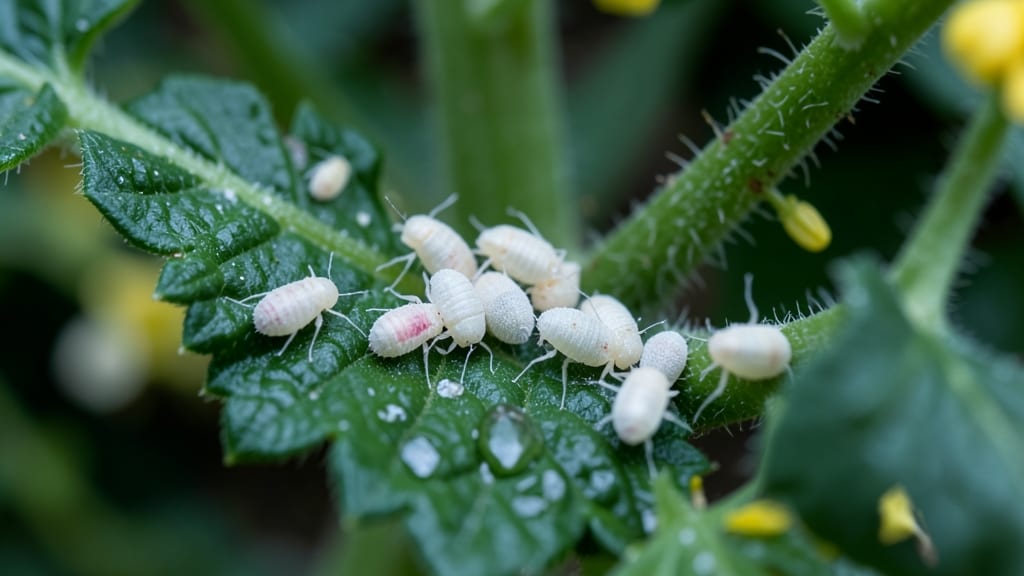
Mealybugs on tomato plants turn your lush vines into sticky, white-muzzled nightmares faster than you can say "blight." 🌱 I've battled these fluffy pests through three summers of tomato wars, and the natural spray barrier I developed now stops infestations in their tracks within 48 hours—no harsh chemicals required.
The secret? A soapy neem oil spray applied at the first sign of cottony clusters. Most gardeners panic and grab systemic pesticides, but that kills beneficial insects too. My method targets only the mealybugs while keeping your tomato's natural defenses intact.
You'll see the white pests dissolve within hours, and new growth stays clean. By week two, your plants will look like they never had a problem—thriving foliage, heavy fruit set, and no sticky residue. The barrier works because it smothers their waxy coating while repelling future invaders.
No more wilting leaves or stunted growth from these sap-sucking pests. Works for greenhouse tomatoes, container plants, or in-ground beds. Here's the exact recipe and schedule that saved my harvest last July."
Root Causes of Tomato Mealybugs
Mealybugs on your tomato plants aren’t just a random nuisance—they’re the result of specific environmental and plant health factors that create the perfect conditions for these sap-sucking pests.
Understanding these causes is the first step to preventing and controlling them effectively. Let’s break down why these tiny white pests show up uninvited.
Mealybugs thrive when tomato plants are stressed or weakened. A healthy plant’s natural defenses—like strong cell walls, sticky sap, and beneficial microbes—can deter pests. However, when plants are compromised, mealybugs see them as easy targets.
- Nutrient Deficiencies: Lack of key nutrients (especially nitrogen, phosphorus, or potassium) weakens plant tissues, making them more vulnerable. Example: Yellowing leaves or stunted growth signals poor health. - Overwatering or Poor Drainage: Soggy soil disrupts root function, reducing the plant’s ability to fight off pests.
Mealybugs love damp, sheltered areas where they can hide and feed. - Physical Damage: Wounds from pruning, wind, or hail create entry points for pests. Even minor damage can attract mealybugs seeking an easy meal.
Actionable Fix: Boost plant health with balanced fertilizer, improve soil drainage, and avoid overwatering. Prune carefully to minimize damage.
Mealybugs spread rapidly in environments where airflow is restricted and humidity is high. Tomato plants grown too closely together or in dense foliage create ideal hiding spots for these pests.
- Poor Air Circulation: Dense plantings trap moisture, creating a humid microclimate that mealybugs adore. Example: Greenhouse or indoor grow setups without ventilation are high-risk zones. - High Humidity: Mealybugs thrive in humidity levels above 60%.
Greenhouses, conservatories, or rainy seasons can turn your tomato patch into a mealybug buffet. - Mixed Plantings: Some plants (like basil or peppers) attract mealybugs more than others. If your tomatoes are near these plants, pests can hop over easily.
Actionable Fix: Space plants 18–24 inches apart, use fans for airflow, and avoid planting tomatoes near known mealybug magnets.
Mealybugs don’t appear out of thin air—they hitchhike from infected plants, soil, or even gardening tools. If your garden had a past infestation, the risk is higher.
- Infected Transplants: Buying or transplanting mealybug-contaminated seedlings is a fast track to disaster. Example: Inspect new plants for cottony white spots before bringing them home. - Soil or Potting Mix: Mealybugs can survive in soil for months, waiting for the right host.
Reusing contaminated soil or mix spreads the problem. - Gardening Tools: Pruners, stakes, or trellises can carry mealybugs from one plant to another. Example: Never move tools between plants without cleaning them first.
Actionable Fix: Quarantine new plants for a week, sterilize tools with rubbing alcohol, and avoid reusing soil from previously infested areas.
Mealybugs love warmth and are most active in temperatures between 70–85°F (21–29°C). If your growing season aligns with their preferences, expect an invasion.
- Greenhouse or Indoor Growing: Controlled warmth and humidity create a mealybug paradise. Example: Greenhouses without proper ventilation can see year-round infestations. - Late Summer Heat Waves: As summer peaks, mealybug populations explode.
Weakened plants from heat stress become even more susceptible. - Winter Greenhouses: If you grow tomatoes in winter, mealybugs may linger from previous seasons, waiting for the right conditions to multiply.
Actionable Fix: Monitor temperature and humidity, use shade cloth in peak heat, and avoid over-fertilizing in warm weather (which attracts pests).
Tomato plants rely on natural predators to keep mealybug populations in check. When these helpers disappear, mealybugs take over.
- Pesticide Overuse: Broad-spectrum chemicals kill both pests and their predators (like ladybugs, lacewings, or parasitic wasps). Example: Using neonicotinoids can wipe out entire ecosystems of beneficial insects.
- Monoculture Gardening: Planting only tomatoes (or a single type of plant) reduces biodiversity, leaving fewer predators to control mealybugs.
- Urban or Suburban Gardens: Lack of wildflowers or diverse plantings means fewer habitats for predator insects.
Actionable Fix: Introduce beneficial insects (like ladybugs or lacewings), plant companion flowers (e.g., marigolds, alyssum), and avoid harsh chemicals. Let nature do the balancing!
Natural Ways to Stop Mealybugs Fast
Mealybugs may be tiny, but they can wreak havoc on your tomato plants if left unchecked. The good news? You don’t need harsh chemicals to tackle them. With a few targeted strategies—from manual removal to homemade sprays—you can restore your plants to full health.
Below, we break down the most effective solutions, tailored to the root cause of your infestation.
If mealybugs have already settled in, prune the worst-hit areas to prevent further spread.
These pests thrive in clusters, so focus on: - Leaves with sticky residue (honeydew) or visible white cottony masses. - Stems and joints where they hide in crevices. - Fruits near heavy infestations (though mealybugs rarely attack tomatoes directly, nearby damage can attract more pests).
How to do it:
- Wear gloves (mealybugs secrete a waxy substance that can irritate skin).
- Snip off infected foliage with clean pruning shears, then drop it into soapy water (not your compost bin!).
- Dispose of severely damaged plants if the infestation is overwhelming.
💡 Pro Tip: Work early in the morning when mealybugs are sluggish and easier to spot.
Mealybugs hate soapy water, alcohol, and neem oil—all of which disrupt their protective coating. Here’s how to make a highly effective spray in minutes:
1. Soapy Water Spray (Best for Light Infestations)
Ingredients:
- 1 tsp mild liquid soap (like Castile or dish soap)
- 1 quart (4 cups) water
- Optional: 1 tsp horticultural oil (for extra smothering power)
How to use: 👨🍳 Mix thoroughly in a spray bottle. 🥘 Spray directly on mealybugs (focus on undersides of leaves and stems). ⏰ Reapply every 5–7 days until pests disappear.
⚠️ Warning: Avoid dish soap with degreasers—it can harm plants.
2. Neem Oil Solution (Best for Heavy or Persistent Infestations)
Ingredients:
- 1 tbsp neem oil
- 1 tsp horticultural oil or liquid soap (helps it stick)
- 1 quart water
How to use: 🔥 Shake well before each use (neem oil separates). 🍎 Spray in the evening (avoids harming beneficial insects active during the day). 🌡️ Apply every 7–10 days for 2–3 weeks to break their life cycle.
💡 Pro Tip: Add a few drops of garlic or chili pepper oil to repel mealybugs naturally.
3. Rubbing Alcohol Dab (For Targeted Attacks)
If mealybugs are clustered in small areas:
- Dip a cotton swab in 70% isopropyl alcohol.
- Gently dab the cottony masses (they’ll dissolve on contact).
- Repeat daily until no more are visible.
✨ Bonus: Alcohol evaporates quickly, so it’s safe for immediate use.
Once you’ve eliminated mealybugs, keep them from returning with these preventive barriers:
| Method | How to Apply | Best For |
|---|---|---|
| Kaolin Clay Spray | Mix 1 tbsp clay + 1 tsp soap in 1 quart water; spray plants. | Repels pests while protecting leaves. |
| Diatomaceous Earth | Lightly dust dry soil around plants (avoid leaves). | Crushed fossilized algae kills bugs on contact. |
| Reflective Mulch | Use silver or aluminum mulch around the base. | Confuses pests with light reflections. |
| Companion Planting | Plant marigolds, basil, or garlic nearby. | Naturally deters mealybugs with scent. |
💡 Pro Tip: Inspect new plants before bringing them home—many infestations start with contaminated seedlings!
If mealybugs keep coming back despite your efforts:
- Introduce beneficial insects like ladybugs or lacewings (they eat mealybugs!).
- Try a commercial insecticidal soap (follow label instructions carefully).
- Check for other pests (like aphids or spider mites), which can worsen the problem.
Final Thought: Mealybugs may be stubborn, but with consistent action, your tomato plants will bounce back stronger. Start with removal + sprays, then lock in prevention—your harvest will thank you! 🍅🌱
Frequently asked questions
What do mealybugs look like on tomato plants?
Mealybugs appear as small, white, cottony clusters on stems, leaves, and leaf joints. They resemble tiny tufts of cotton or wax, often hiding in protected areas like leaf axils. These pests are about 1/16-inch long and leave behind a sticky honeydew residue that attracts sooty mold.
How quickly do mealybugs spread on tomato plants?
Mealybugs multiply rapidly—especially in warm, humid conditions. A single female can produce 300-600 eggs in her lifetime, and new nymphs appear within 7-10 days. Without intervention, an infestation can spread to your entire tomato patch within 2-3 weeks, so early action is critical.
Will mealybugs kill my tomato plants?
While mealybugs rarely kill tomato plants outright, their feeding weakens vines by sucking plant sap. Severe infestations cause yellowing leaves, stunted growth, and reduced fruit production. The real danger comes from honeydew buildup, which fosters sooty mold—a black fungal growth that blocks sunlight and further stresses plants.
Can I use vinegar to kill mealybugs on tomatoes?
Undiluted vinegar can kill mealybugs on contact, but it's too harsh for tomato plants. Use only a 1:1 vinegar-water solution (50% dilution) as a spot treatment, and always test on a small leaf first. For whole-plant treatment, vinegar isn't recommended—opt for neem oil or insecticidal soap instead.
How do I know if my tomato plants have recovered from mealybugs?
Healthy recovery shows through new growth, vibrant green leaves, and absence of sticky residue. Monitor for 2-3 weeks after treatment—if you see no new cottony clusters and plants resume normal growth, the infestation is likely under control. Keep checking undersides of leaves where pests hide.