
Companion Plants
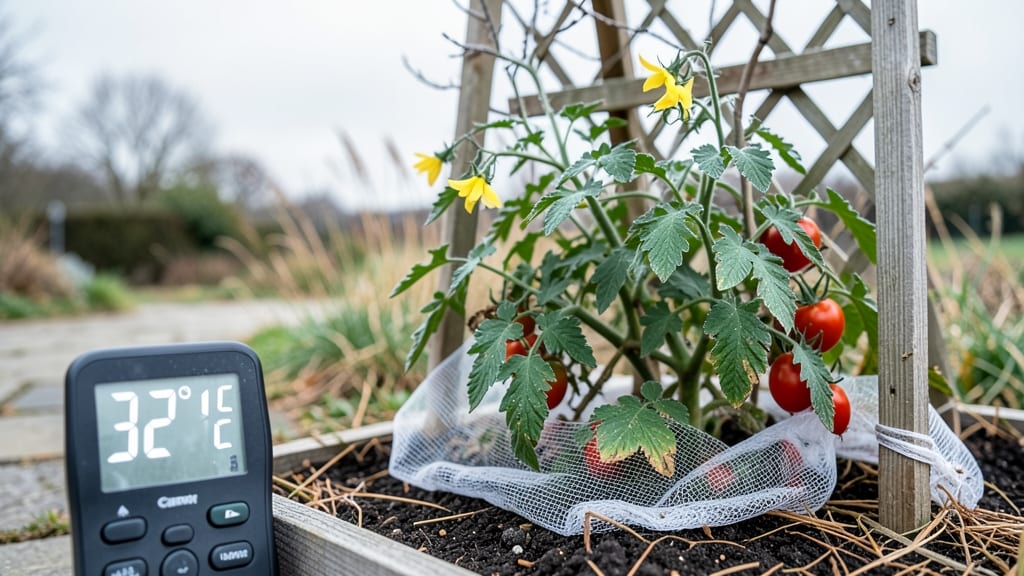
The lowest temperature tomato plants can tolerate is 32°F (0°C) for short durations, though most varieties will die if temperatures drop below 28°F (-2°C) for extended periods. Cold-resistant heirlooms like 'Stupice' or 'Tyee' can endure 25°F (-4°C), but their growth will stop completely when temperatures fall below 50°F (10°C). Use protective measures like mulch, row covers, or containers to shield plants during prolonged cold snaps.
Understanding these temperature thresholds helps gardeners in marginal climates plan ahead. 🌱 While most tomatoes thrive in USDA Zones 5-10, even a single hard frost can devastate plants by rupturing cell walls through ice crystal formation.
The difference between brief chills and prolonged freezes is critical—what a plant survives for 30 minutes might kill it overnight. For example, 'Tyee' tomatoes can handle light freezes better than standard varieties, making them a smart choice for northern gardeners.
Cold-sensitive tomato varieties often show early signs of frost damage through yellowing leaves or wilting stems, even before temperatures drop below freezing. This is why gardeners in transitional zones rely on protective strategies like black plastic mulch or low tunnels to maintain soil temperatures above 50°F (10°C).
The key isn't just about survival—it's about maintaining plant health long enough for new growth to emerge once temperatures stabilize.
💡 In This Article
- How Cold Damages Tomato Plants at the Cellular Level
- Protecting Tomatoes from Frost: Practical Cold-Weather Gardening Strategies
How cold damages tomato plants at the cellular level
When tomato plants encounter temperatures near 32°F (0°C), their cells begin a chain reaction of damage starting with ice crystal formation. Water inside plant cells expands as it freezes, creating sharp crystalline structures that rupture cell membranes—similar to how ice cracks a frozen water pipe.
This physical damage disrupts the plant's vascular system, preventing nutrient and water transport. 🌱 The most vulnerable areas are the leaves and stems, where delicate tissues lack the protective bark found in woody plants.
Enzymes within tomato cells also become dysfunctional below 50°F (10°C). Cold temperatures slow down enzymatic activity, particularly those involved in photosynthesis and respiration, causing metabolic shutdown.
Determinate tomato varieties (like 'Roma') tend to handle brief chills better than indeterminate types (such as 'Better Boy') because their bushy growth habit provides more insulation. However, even cold-hardy varieties like 'Stupice' will suffer irreversible damage if exposed to 25°F (-4°C) for more than a few hours.
Chilling injuries—damage from temperatures between 32°F (0°C) and 50°F (10°C)—often appear as discolored or blotchy leaves before frost sets in. These symptoms occur because cold-sensitive enzymes like pectin methylesterase become inactive, weakening cell walls. The plant's ability to repair this damage depends on how quickly temperatures rise.
For example, a sudden drop to 30°F (-1°C) followed by a warm day may cause temporary stunting, while prolonged exposure leads to complete cell death.
Vernalization—the process where plants develop cold tolerance through gradual exposure—plays a minor role in tomatoes compared to wheat or cabbage. While some varieties may adapt slightly to cooler conditions over weeks, tomatoes are primarily tropical plants that lack the genetic cold-hardiness of northern crops.
This is why gardeners in marginal zones rely on protective measures rather than hoping for natural acclimation. The key difference between survival and death often comes down to how quickly frost penetrates the plant's tissues.
Consider this comparison: A tomato stem exposed to 28°F (-2°C) for 30 minutes might show minor damage, but the same temperature sustained for 6 hours will kill the plant.
The critical factor is the rate of temperature change—slow drops allow cells to adjust slightly, while rapid freezes create instant ice formation. This is why covering plants with row fabric or cloches creates a microclimate that slows temperature changes, buying time for the plant to recover.
For gardeners in USDA Zones 4-6, understanding these cellular mechanisms explains why even a light frost can devastate a tomato crop. The damage isn't just superficial—it's a systemic failure of the plant's basic functions.
This biological reality is why protective strategies like mulching or using cold frames become essential tools for extending the growing season in cooler climates. 🌡️